10 Professional Fixes For Your Heater Furnace
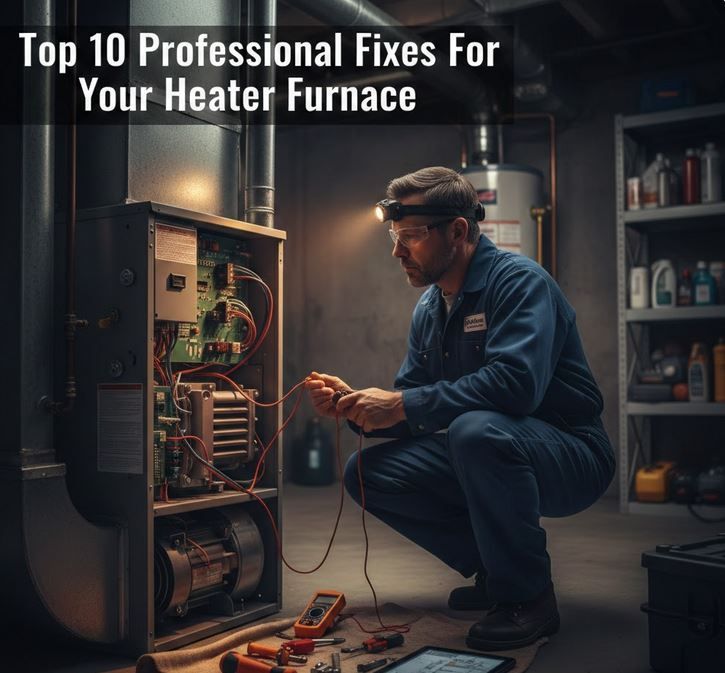
As the temperatures drop and winter sets in, a reliable heater furnace becomes an absolute necessity for comfort and safety in your home. There's nothing worse than a sudden furnace breakdown on a frigid night. While some minor issues can be tackled by a savvy homeowner, many common furnace problems require the expertise of a professional HVAC technician. Attempting complex repairs yourself can not only be dangerous but can also lead to more extensive and costly damage. This comprehensive guide will walk you through the top 10 professional
fixes for your heater furnace, ensuring you know when to call in the experts and what to expect.
1. Diagnosing and Replacing a Faulty Thermostat
Often, what seems like a major furnace problem can actually stem from a malfunctioning thermostat. A professional technician can accurately diagnose if your thermostat is faulty – perhaps it's not communicating correctly with the furnace, has dead batteries, or is miscalibrated. They can test the wiring, check for proper operation, and if necessary, replace it with a new, more efficient model, including smart thermostats that offer greater control and energy savings. A new thermostat can sometimes instantly restore your heating and prevent unnecessary further investigation into the furnace itself.
2. Resolving Ignition or Pilot Light Problems
Modern furnaces often use an electronic ignition system, while older models still rely on a pilot light. If your furnace isn't igniting, the problem could be with a faulty igniter, a clogged pilot light orifice, or issues with the gas supply. A professional can clean a clogged pilot light, troubleshoot electronic ignition problems (like a faulty hot surface igniter or a bad flame sensor), and ensure that gas is flowing safely and correctly. These components are critical for safe operation, and attempting to fix them without proper knowledge can be hazardous due to the involvement of natural gas or electricity.
3. Repairing or Replacing a Broken Blower Motor
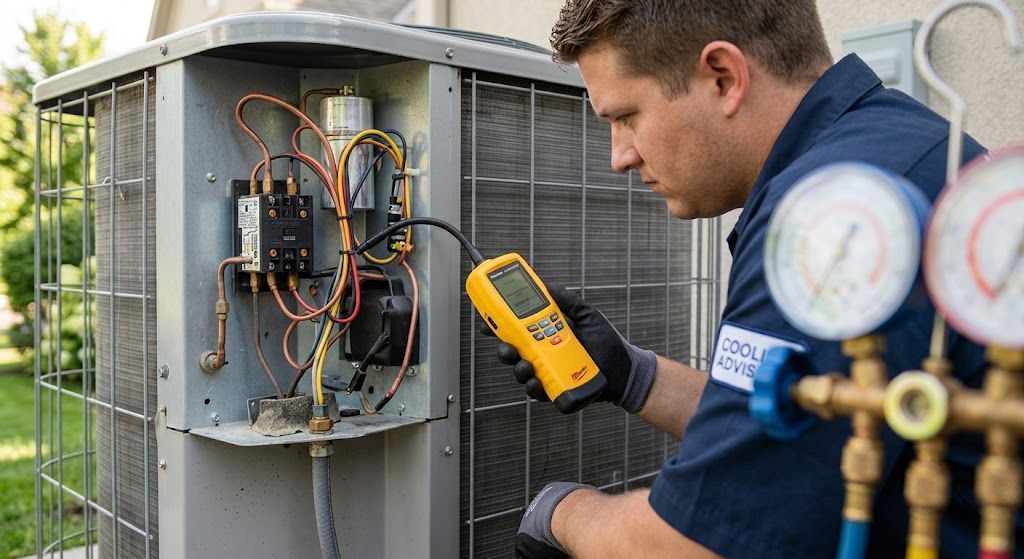
The blower motor is responsible for circulating the heated air throughout your home. If you hear unusual noises (squealing, grinding) or if no air is coming out of your vents, you might have a problem with the blower motor. A professional can diagnose whether the motor needs lubrication, new bearings, or a complete replacement. They will also check the capacitor, which provides the initial jolt to start the motor, and ensure all electrical connections are secure. A failing blower motor not only leaves you without heat but can also lead to overheating of the furnace itself.
4. Fixing Clogged or Leaky Condensate Drains
High-efficiency condensing furnaces produce condensate (water) as a byproduct of the heating process. This water needs to drain away properly. If the condensate line becomes clogged with algae or debris, or if it leaks, it can trigger a safety switch that shuts down the furnace. A professional can clear the clog, repair any leaks, and ensure the drain line is properly sloped and free-flowing. Ignoring this issue can lead to water damage and repeated furnace shutdowns, especially in humid environments.
5. Addressing Gas Valve Issues
The gas valve controls the flow of natural gas or propane to the furnace burners. If it's malfunctioning, the furnace won't receive fuel and therefore won't produce heat. This is a critical component that should only be handled by a licensed professional. They can test the gas valve for proper operation, check for any leaks, and replace it if it's faulty. Any work involving gas lines carries significant safety risks and requires specialized tools and expertise.
6. Replacing a Dirty or Malfunctioning Flame Sensor
The flame sensor is a safety device that detects if a flame is present in the burner assembly. If it's dirty or faulty, it can wrongly signal that there's no flame, causing the furnace to shut down prematurely as a safety measure. A professional can carefully clean the flame sensor or replace it if it's defective. This often resolves intermittent furnace shutdowns and ensures continuous heating. Regular maintenance often includes cleaning this sensor.
7. Repairing or Replacing the Heat Exchanger
The heat exchanger is where the combustion gases transfer heat to the air that circulates through your home. Cracks in the heat exchanger are extremely dangerous because they can allow carbon monoxide, a colorless and odorless toxic gas, to leak into your living space. A professional will inspect the heat exchanger for any cracks or damage and advise on repair or replacement. In many cases, a cracked heat exchanger necessitates replacing the entire furnace, as it's a critical safety component that cannot be reliably patched.
8. Troubleshooting Electrical Control Board Problems
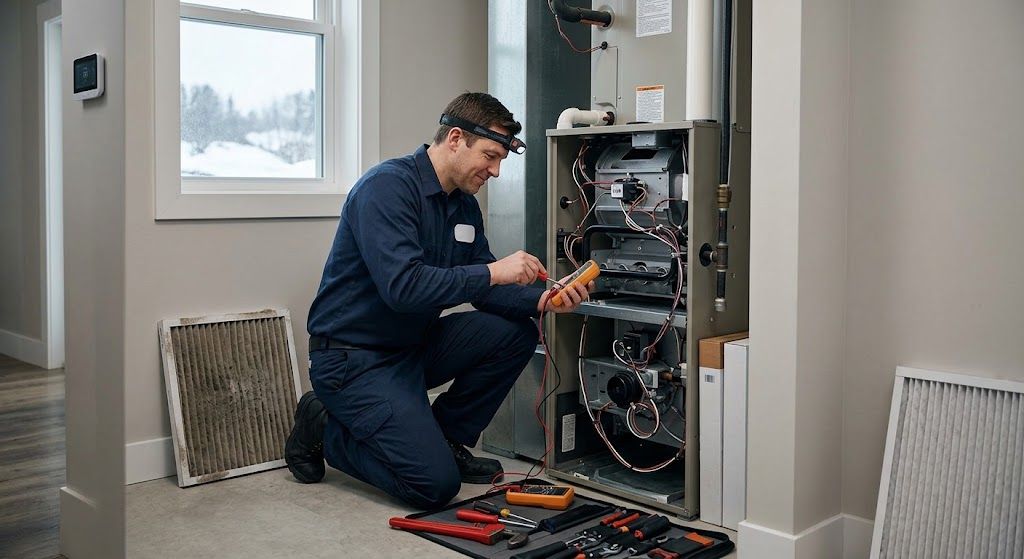
The control board is the "brain" of your furnace, managing all its operations, from ignition to blower motor function. If the control board malfunctions, it can lead to a variety of heating problems, including the furnace not starting, not cycling correctly, or completely shutting down. A professional can diagnose issues with the control board using diagnostic tools and determine if it needs repair or replacement. This is a complex electrical component that requires expert handling.
9. Replacing Faulty Limit Switches
Furnaces have several limit switches that act as safety devices, preventing the unit from overheating. If a limit switch becomes faulty, it can cause the furnace to short cycle (turn on and off too frequently) or shut down entirely. A professional can test these switches for proper operation and replace any that are defective, ensuring the furnace operates safely within its temperature limits. These switches are crucial for preventing dangerous overheating.
10. Addressing Ductwork Issues and Airflow Problems
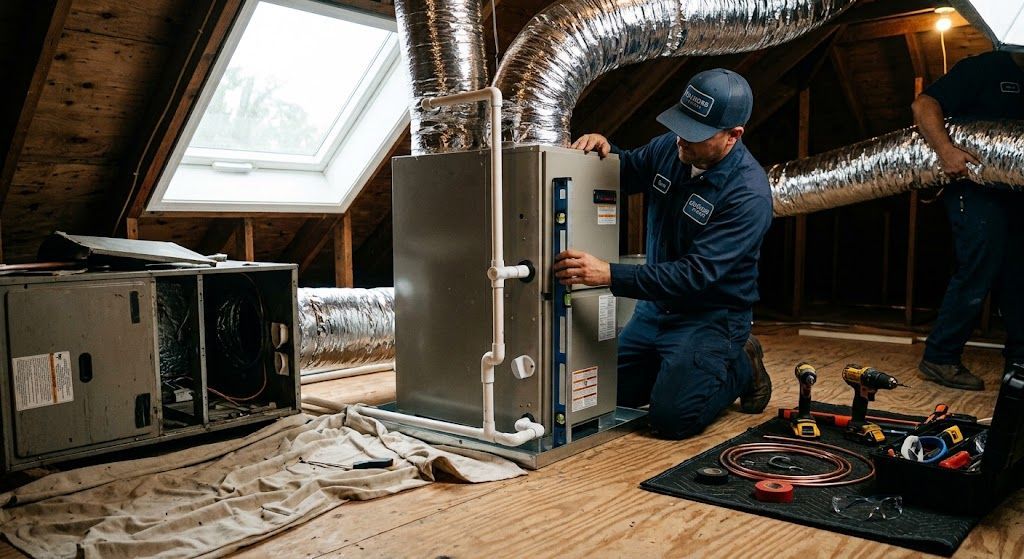
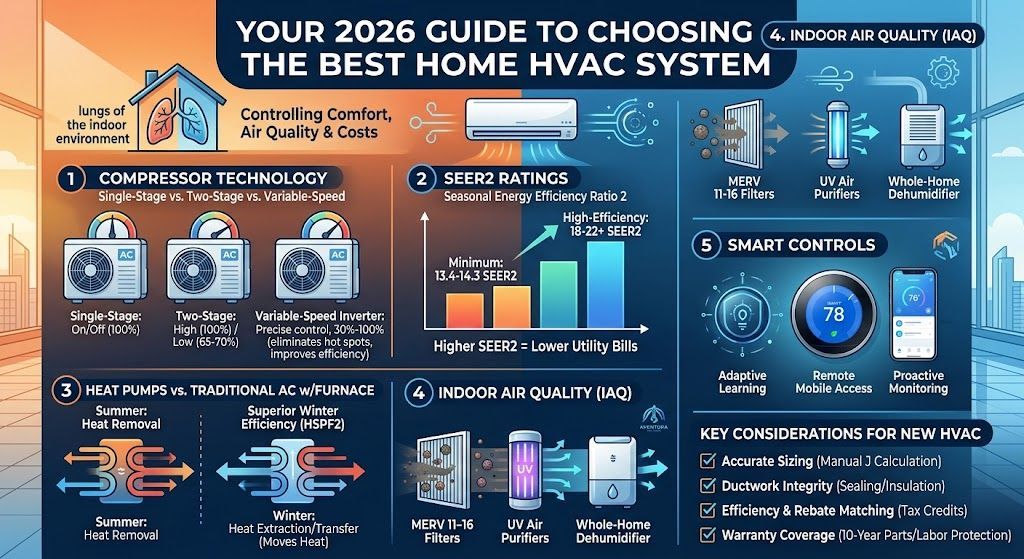
While not strictly a furnace component, issues with your ductwork can significantly impact your furnace's performance and efficiency. Leaky ducts, blockages, or improperly sized ductwork can lead to uneven heating, reduced airflow, and increased energy bills. A professional can inspect your ductwork for leaks, blockages, and proper sizing, recommending repairs, sealing, or modifications to improve overall system efficiency and ensure warm air reaches every corner of your home. This can drastically improve the effectiveness of your existing furnace.
Conclusion
Your heater furnace is a complex appliance, and while routine maintenance like changing air filters is something you can do, many common problems require the specialized knowledge and tools of a professional HVAC technician. Regular professional maintenance can prevent many of these issues from occurring in the first place, ensuring your furnace runs efficiently and safely throughout the heating season. Don't hesitate to call an expert at the first sign of trouble; it can save you money, time, and discomfort in the long run. Professional intervention ensures not only a warm home but also peace of mind, knowing your heating system is operating safely and effectively.