Beat the Florida Heat: The Ultimate Guide to AC Repair and Maintenance in Palm Beach Gardens
Living in Palm Beach Gardens offers a spectacular slice of the Florida lifestyle. From the pristine golf courses at PGA National to the lush, tree-lined streets and vibrant shopping at The Gardens Mall, it’s an incredible place to call home. However, our tropical climate presents a constant challenge: relentless heat and heavy humidity.
In South Florida, a properly functioning air conditioning system isn't a luxury—it is an absolute necessity for health, safety, and daily comfort. When your cooling system struggles, your home can quickly transform from a sanctuary into an unbearable hotbox. Understanding how to maintain your unit, recognizing the warning signs of impending failure, and knowing who to call for expert assistance will save you time, money, and unnecessary stress.
Why Palm Beach Gardens Climates Demand More from Your AC
The coastal and sub-tropical environment of Palm Beach County puts unique stressors on residential and commercial HVAC systems. Unlike regions that experience distinct seasonal changes, South Florida systems run nearly year-round. This continuous operation accelerates wear and tear on critical mechanical components.
1. High Humidity Levels
Air conditioners do more than cool the air; they act as primary dehumidifiers. When humidity spikes, your system must work twice as hard to pull moisture out of the indoor air before it can effectively lower the temperature. High indoor humidity doesn't just feel sticky—it creates a breeding ground for mold, mildew, and dust mites.
2. Salt Air Corrosion
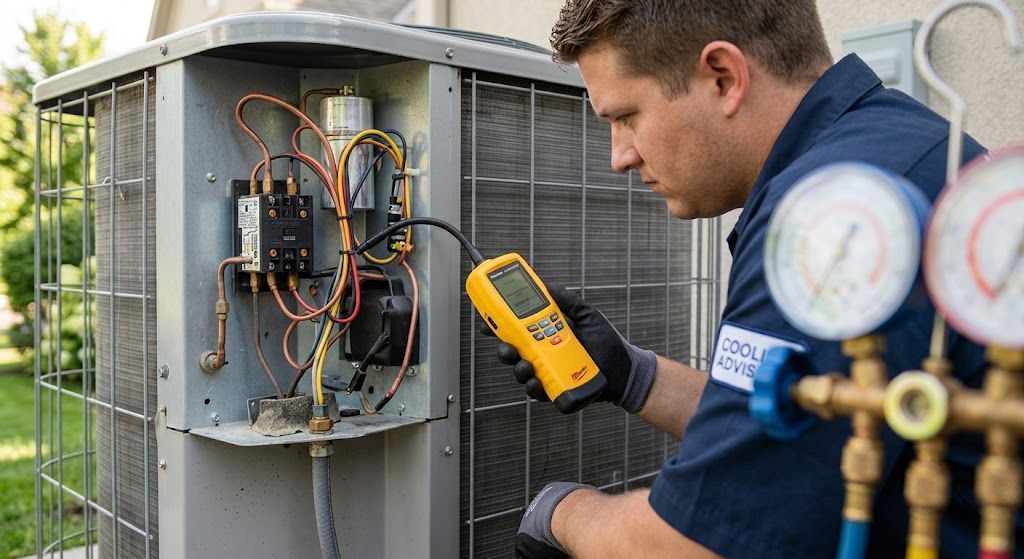
Proximity to the Atlantic Ocean means our air carries airborne salt particles. Over time, salt air settles on the aluminum fins and copper coils of outdoor condenser units, causing a destructive process known as galvanic corrosion. This weakens the metal, degrades heat transfer efficiency, and ultimately leads to premature refrigerant leaks.
3. Intense Thermal Load
During peak summer months, afternoon temperatures regularly climb into the 90s, with a heat index frequently exceeding 100°F. Your system must combat this intense external thermal load continuously, forcing it to run longer cycles to maintain your desired indoor temperature.
Red Flags: Warning Signs Your AC Needs Immediate Attention
Most cooling systems don't fail without warning. Usually, they drop subtle clues that mechanical trouble is brewing. Catching these signs early can mean the difference between a simple, inexpensive component replacement and a catastrophic breakdown requiring a full system replacement.
- Warm Air Blowing from Vents: If your thermostat is set to "cool" but the air coming from your supply registers feels lukewarm or room temperature, you may be dealing with a failed compressor, a bad capacitor, or a severe refrigerant leak.
- Weak Airflow: Poor airflow typically points to a failing blower motor, a clogged air filter, or obstructed ductwork. Restricted airflow strains the system, driving up energy consumption.
- Frequent Cycling: It is normal for an AC to turn on and off to maintain temperatures. However, if it cycles on and off every few minutes, it's "short-cycling." This is often caused by an oversized system, an electrical fault, or low refrigerant levels.
- Unusual Noises: Squealing, grinding, rattling, or loud banging noises are clear indicators of mechanical distress. Loose belts, failing bearings, or a compromised compressor fan blade require immediate professional evaluation.
- Persistent Puddles or Moisture: While condensation is a normal byproduct of cooling, water pooling around your indoor air handler indicates a clogged condensate drain line or a frozen evaporator coil. If left unaddressed, this can cause major water damage to your ceilings and floors.
- Spiking Utility Bills: A sudden, unexplained jump in your monthly electric bill indicates that your system has lost its operational efficiency and is drawing excessive power to achieve the same cooling output.
The True Cost of Neglecting AC Maintenance
It is easy to adopt an "out of sight, out of mind" attitude toward your HVAC system when it is running fine. However, skipping annual professional maintenance is a costly mistake.
[Neglected AC Unit]
│
├──► Clogged Coils & Filters ──► Restricted Airflow ──► High Energy Consumption
│
└──► Unchecked Components ──► Part Failure ──► Premature System Replacement
Without regular cleanings and calibrations, an air conditioner loses roughly 5% of its efficiency every year. Dirt builds up on the evaporator and condenser coils, insulating them and preventing efficient heat exchange. Dust accumulates on the fan blades, throwing them out of balance and putting extra strain on the motor.
Furthermore, major manufacturers require proof of regular professional maintenance to honor equipment warranties. If a critical component like a compressor fails within the warranty period, but you cannot provide documentation of annual service, the manufacturer may deny your claim, leaving you with a hefty bill.
What a Professional Maintenance Visit Includes
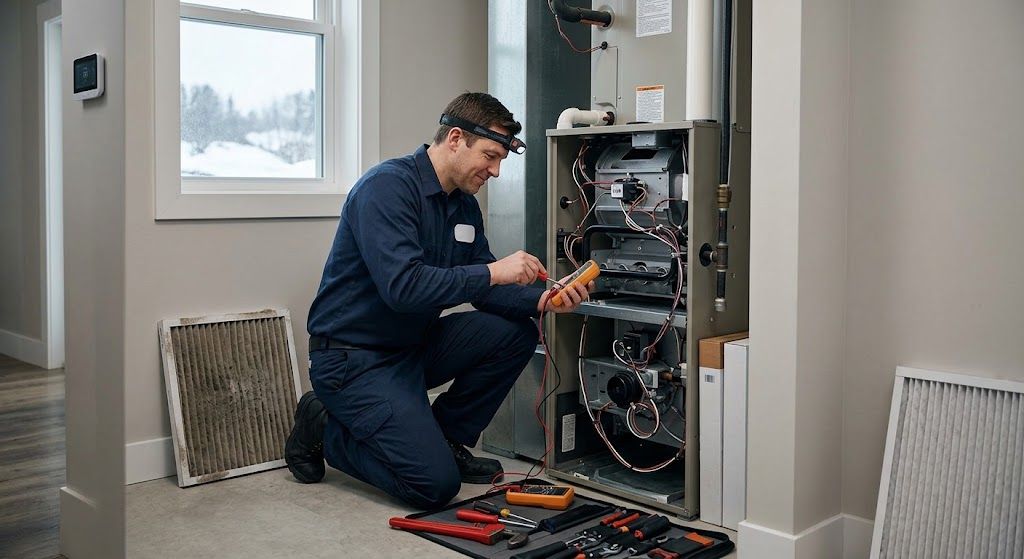
A comprehensive preventative maintenance service goes far beyond simply swapping out a dirty air filter. A certified HVAC technician performs a detailed multi-point inspection and tune-up designed to optimize efficiency and identify hidden faults.
When to Repair vs. When to Replace Your AC System
If your air conditioner is older or frequently breaking down, you will eventually face a tough decision: do you keep patching it up, or invest in a brand-new system? To make the smartest financial decision, weigh the following factors.
The Age of the Unit
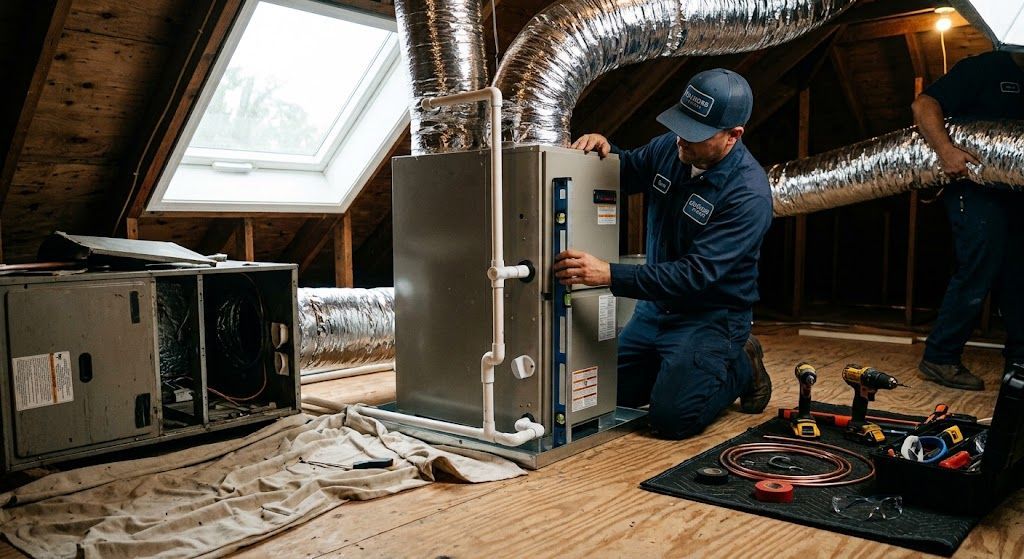
In South Florida, the average lifespan of a residential split-system air conditioner is between 10 to 12 years due to the heavy workload. If your system is approaching or past its tenth anniversary, investing significant money into major repairs is rarely cost-effective.
The "5,000 Rule"
A classic industry benchmark is the 5,000 rule. Multiply the age of your system by the cost of the estimated repair. If the total exceeds $5,000, replacement is generally the wiser long-term investment. For example, a 9-year-old system needing a $600 repair equals $5,400—making replacement the favored route.
Refrigerant Type
Older units manufactured before 2010 rely on R-22 (Freon) refrigerant. Because R-22 has been phased out globally due to its environmental impact, sourcing it has become incredibly rare and prohibitively expensive. If an older R-22 system develops a major leak or compressor failure, upgrading to a modern system utilizing eco-friendly, accessible refrigerants is the practical choice.
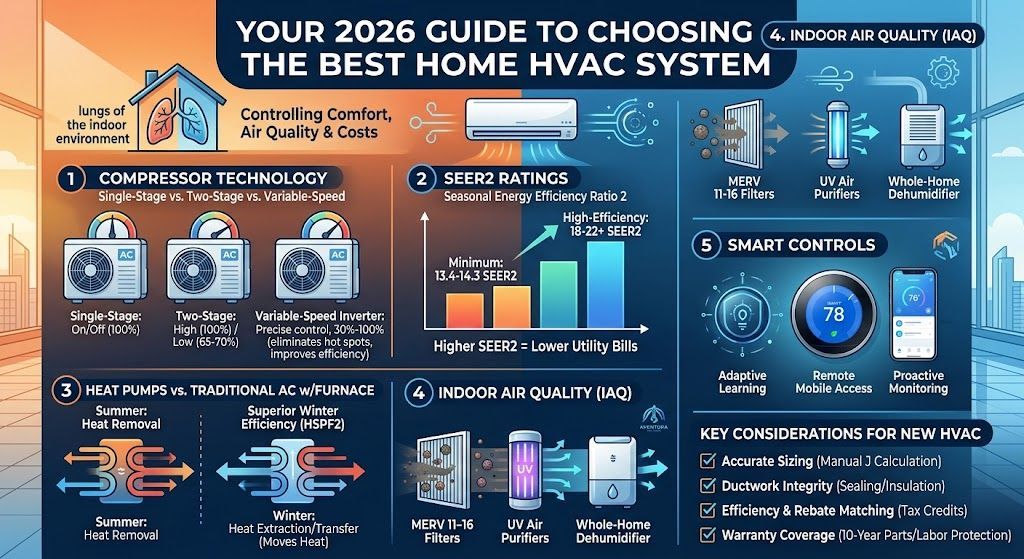
Modern SEER2 Efficiencies
Upgrading to a new system introduces you to modern SEER2 (Seasonal Energy Efficiency Ratio) standards. Modern units are dramatically more efficient than those built a decade ago. Upgrading can slash your monthly cooling costs by up to 30% to 40%, helping the new system eventually pay for itself over time.
Keep Your Home Cool and Comfortable Year-Round
Do not wait for your air conditioning unit to completely break down in the middle of a sweltering July afternoon. Proactive maintenance, prompt repairs, and knowing when to upgrade are the keys to maintaining a stress-free, energy-efficient home environment. When you need dependable diagnostic accuracy, rapid response times, and exceptional craftsmanship, lean on local professionals who understand the unique atmospheric challenges of South Florida. For homeowners seeking reliable service, seamless installations, and fast response times, look no further than the trusted team at
Cooling Advisors Palm Beach Gardens to keep your indoor oasis perfectly chilled all year long.