Why Humidity Is a Big Problem in Palm Beach
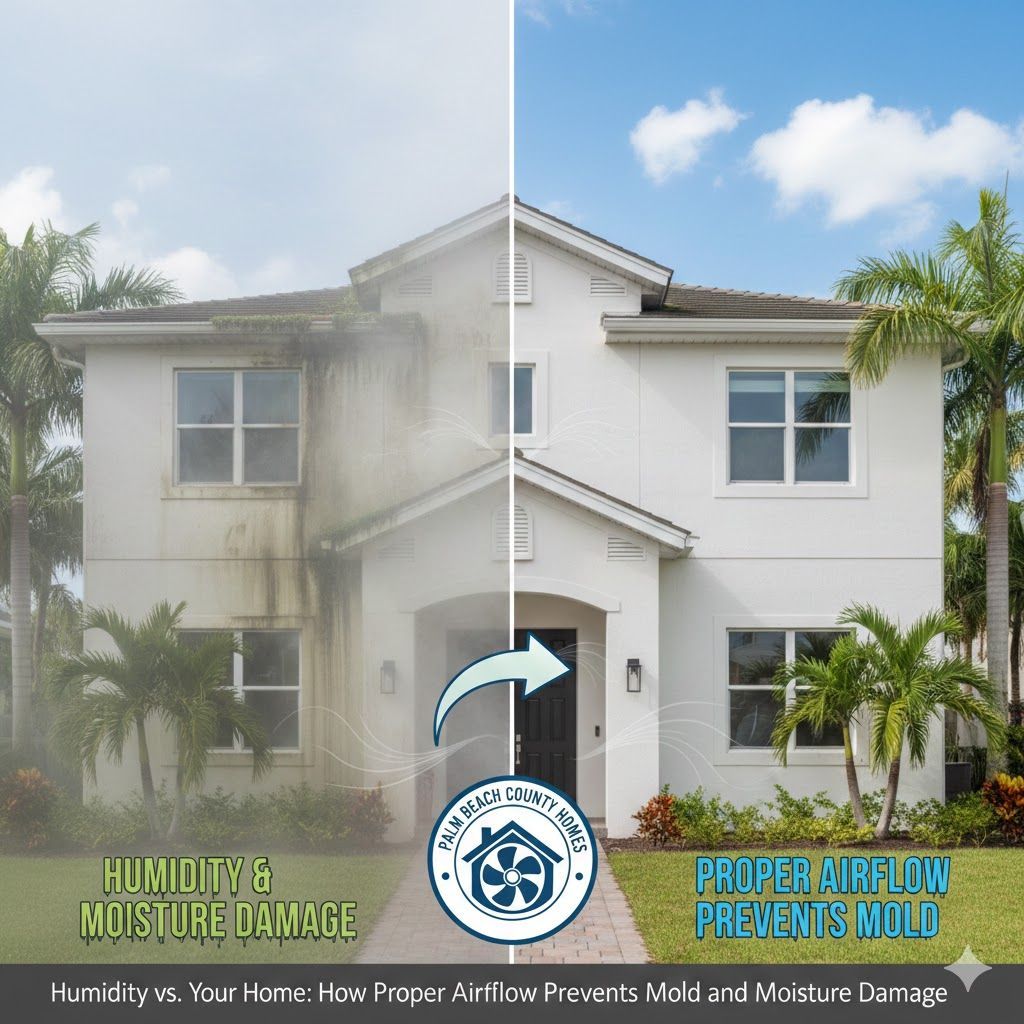
Palm Beach County’s warm, coastal climate keeps outdoor humidity high for most of the year, which means indoor spaces constantly fight excess moisture. High humidity levels seep into walls, floors, furnishings, and even your air conditioning system, creating an ideal environment for mold and mildew to grow.
When indoor air stays too damp, small problem areas such as poorly ventilated bathrooms, closets, or behind furniture can quickly develop hidden mold. Mold growth does not just damage finishes and materials; it can also affect indoor air quality and aggravate allergies or respiratory issues for people living in the home.
How Humidity Leads to Mold and Damage
Mold needs three things to thrive: moisture, organic material to feed on, and time. In Palm Beach County homes, moisture often comes from humid air, small leaks, or condensation forming on cool surfaces like ducts, windows, or uninsulated walls.
When humid air stagnates in closed or poorly ventilated areas, surfaces may stay damp long enough for mold to colonize drywall, carpet, baseboards, and wood framing. Over time this can cause musty odors, staining, soft or crumbling materials, and in severe cases structural repairs that are much more expensive than preventive measures.
Why Proper Airflow Matters
Proper airflow is one of the most effective ways to keep moisture from lingering long enough to cause mold growth. Moving air helps evaporate condensation, balances temperature differences between rooms, and prevents pockets of stagnant, humid air from forming in corners, closets, and behind large furniture.
Good airflow also supports your air conditioning and dehumidification equipment, allowing it to pull moisture out of the air more efficiently. When air can circulate freely through return vents, supply vents, and open interior pathways, your system does not need to work as hard to keep relative humidity within a safe range.
The AC System’s Role in Moisture Control
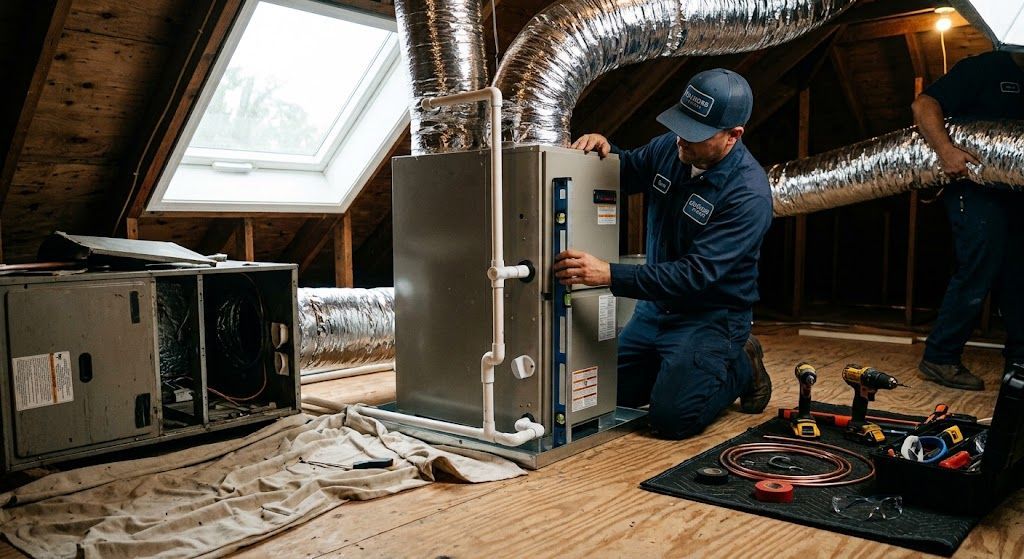
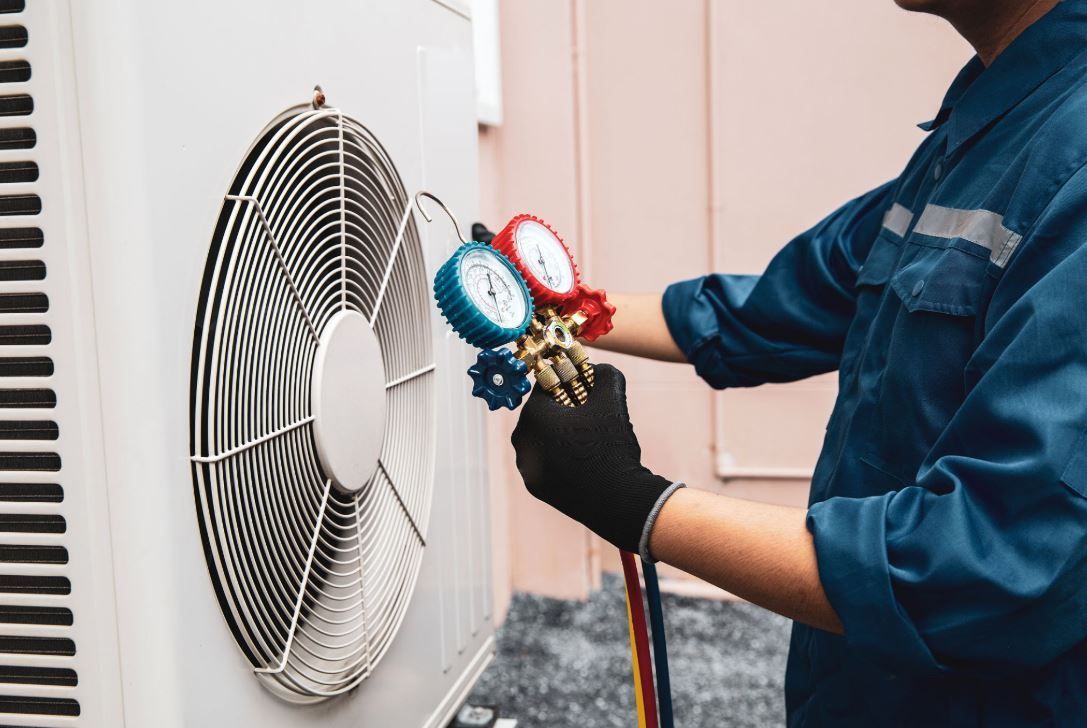
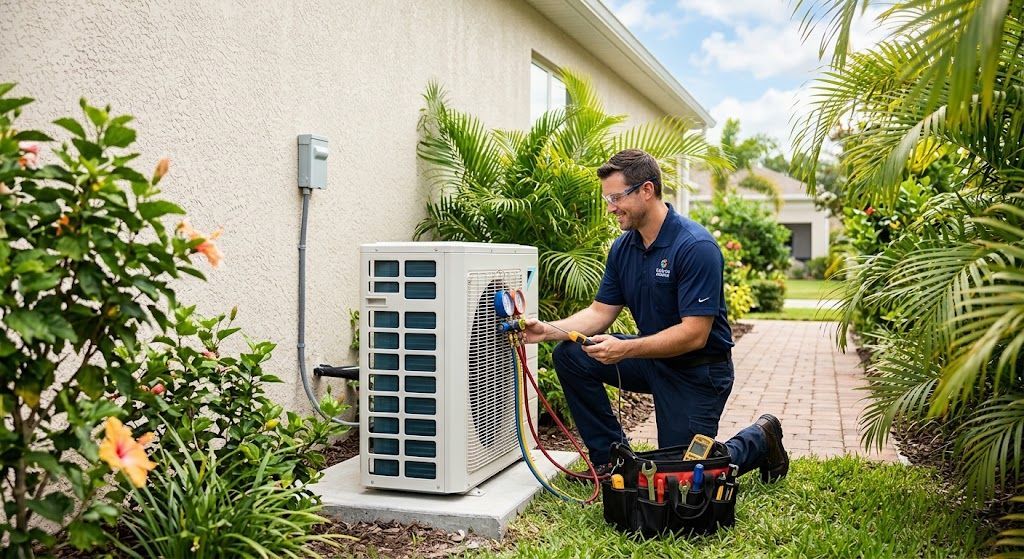
In Palm Beach County, the air conditioning system is the primary tool for controlling both temperature and humidity. When properly sized and maintained, an AC unit removes moisture as warm indoor air passes over the cold evaporator coil, where water condenses and drains away through the condensate line.
If airflow across the coil is restricted by dirty filters, blocked vents, or closed interior doors, the system cannot dehumidify effectively and may even ice over or leak. Keeping filters clean, returns unobstructed, and vents open helps maintain steady airflow and allows the system to remove moisture before it turns into mold problems in ducts, closets, and around supply registers.
Common Airflow Mistakes That Raise Humidity
Several everyday habits unintentionally trap moisture indoors. Closing too many supply vents to “push” more air into certain rooms often reduces overall system airflow and dehumidification capacity, leading to temperature imbalances and condensation in ductwork or on registers.
Blocking return vents with furniture, drapes, or storage bins limits the system’s ability to pull humid air back for conditioning. Running the AC fan in “ON” mode instead of “AUTO” may re-evaporate moisture off the coil and send it back into the home, keeping humidity elevated rather than allowing it to drain away.
Room-by-Room Airflow Strategies
In bathrooms, using a vent fan that exhausts outside during and after showers is essential to clear steam and prevent moisture from condensing on ceilings and walls. Leaving the door slightly open afterward, once privacy is no longer needed, lets conditioned air from the rest of the home circulate and finish drying the room.
In kitchens, running the range hood while cooking and for a short time afterward carries cooking steam and combustion moisture outside. Keeping pathways around supply and return vents open in bedrooms, hallways, and living rooms allows your AC to move air continuously, minimizing cool, damp “dead zones” where mold tends to appear first.
Target Indoor Humidity Levels for Palm Beach Homes
For mold prevention, most experts recommend keeping indoor relative humidity below about 50 percent, and certainly under 60 percent. Within this range, mold spores have a much harder time colonizing surfaces, and building materials stay drier and more stable.
In Palm Beach County, maintaining these levels usually requires a mix of air conditioning, good airflow, and sometimes standalone dehumidifiers in moisture-prone areas such as coastal-facing rooms, first-floor spaces over slab foundations, or interior laundry rooms without windows. Monitoring humidity with a simple digital hygrometer helps you catch problems early.
Practical Steps to Improve Airflow and Reduce Moisture
Several simple, low-cost steps can dramatically improve airflow and reduce mold risk in a Palm Beach home. Regularly replace or clean AC filters so the system can move air freely, and keep at least a few inches of clearance in front of all supply and return vents throughout the home.
Use exhaust fans during moisture-producing activities, run the AC in “AUTO,” and avoid closing too many doors and vents at once. If certain rooms always feel clammy or musty, consider using a ceiling fan to circulate air, adjusting dampers to balance airflow, or adding a small dehumidifier to that specific space.
Preventing Mold After Storms and Seasonal Weather
Palm Beach County’s rainy and storm seasons create extra moisture challenges, especially when wind-driven rain finds its way around windows, doors, or roof penetrations. After heavy storms, checking for damp spots on ceilings, around baseboards, and near window sills allows you to dry affected areas quickly before mold takes hold.
Using fans and your AC system together to dry out indoor spaces as soon as power is restored helps shorten the time surfaces remain wet. Promptly addressing roof leaks, clogged gutters, and poor yard drainage keeps excess water away from foundations and walls, reducing long-term moisture intrusion that can defeat even the best airflow inside.
When to Call a Professional
If you notice persistent musty odors, visible mold patches, or
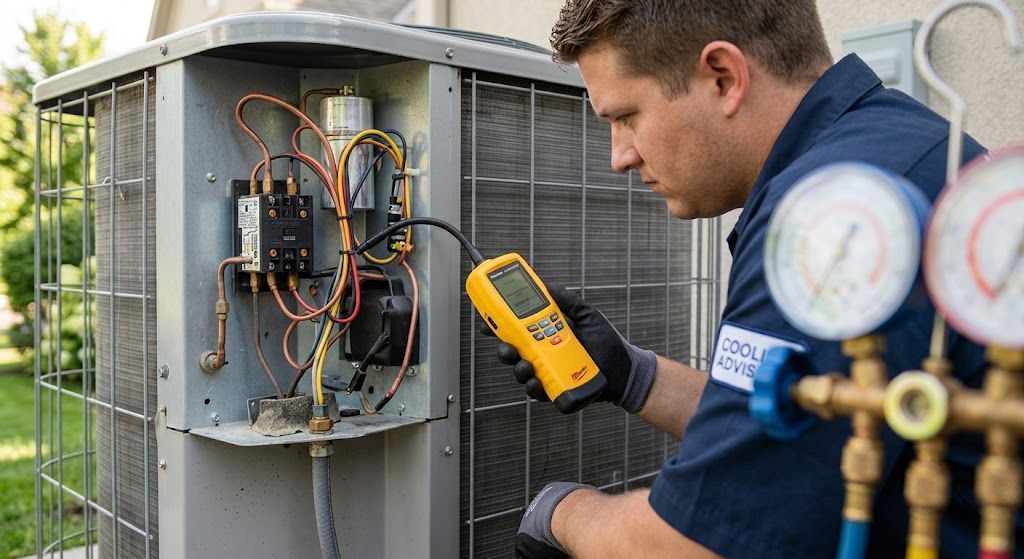
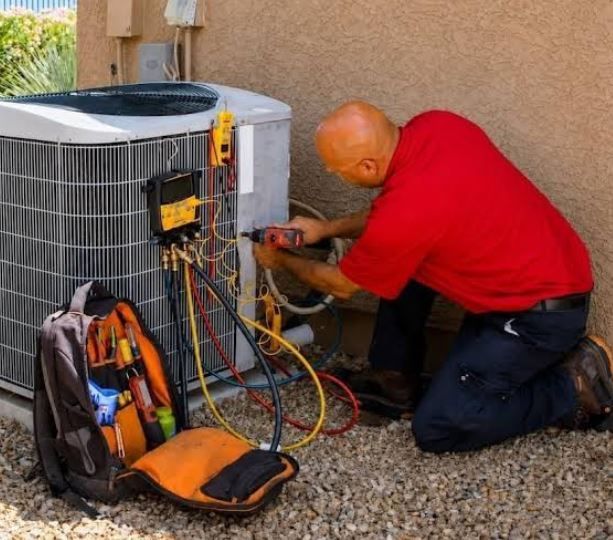
humidity levels that stay elevated despite using your AC and fans correctly, a professional inspection is a smart next step. Specialists can check for hidden moisture in walls, under flooring, and inside ductwork while evaluating whether your current system is properly sized and balanced for your home.
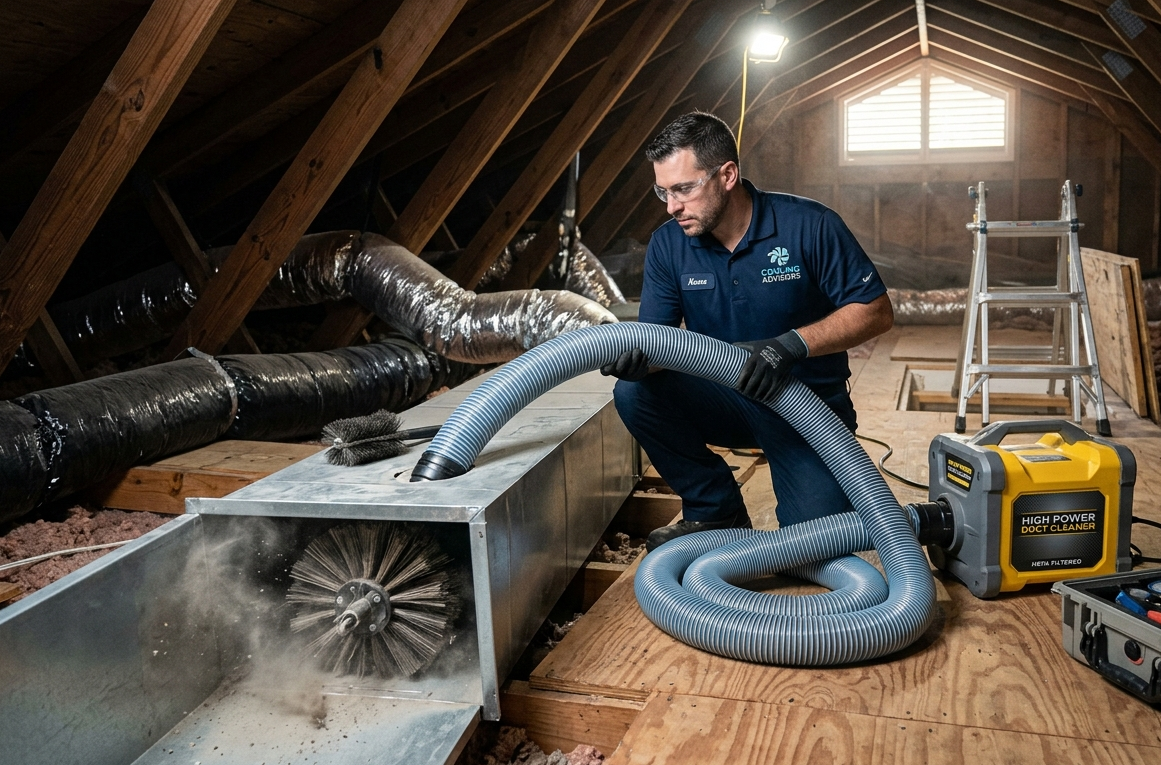
Professionals can also clean and treat affected areas, repair drainage or ventilation issues, and suggest upgrades such as improved duct design, dedicated dehumidification, or better exhaust systems. The earlier these issues are addressed, the less likely you are to face extensive material replacement or long-term indoor air quality problems.