When your AC starts acting up, it’s tempting to ignore the signs and hope it “works itself out.” In reality, doing nothing is often the most expensive choice a South Florida homeowner can make. Minor issues quickly snowball into major repairs, sky-high energy bills, and even complete system failure at the worst possible time.
Why Your AC “Struggling” Is a Red Flag
Every air conditioner is designed to keep your home comfortable with a specific amount of effort. When it begins to struggle, it is working harder and longer than it should just to maintain basic comfort. That extra strain always has a cost.
Common signs your AC is struggling include:
Warm or weak airflow from vents even when the thermostat is set low
Longer run times or “never shutting off” during the day
Unusually high electric bills compared to prior months or previous years
Hot and cold spots from room to room
Strange noises such as rattling, buzzing, or hissing
Excess humidity, musty smells, or condensation where it should not be
These symptoms point to underlying problems like restricted airflow, low refrigerant, failing components, or dirty coils. Left alone, all of them shorten the life of the system and increase your monthly costs.
The Hidden Financial Costs of Ignoring AC Problems
From the outside, it can look like “nothing is really wrong yet” because the AC still turns on and the house is “mostly” cool. Behind the scenes, the system is burning money in several ways.
1. Spiking Energy Bills
A struggling AC usually has to run longer and harder to maintain the same temperature. That extra runtime shows up directly on your energy bill.
Examples of what drives up energy use:
Dirty filters and coils that choke airflow and force the blower to work harder
Low refrigerant levels causing inefficient heat transfer
Failing capacitors or motors that draw more power as they wear out
Leaky ducts that dump cooled air into attics or crawl spaces instead of rooms
Even a 10–20% drop in efficiency can translate to hundreds of dollars per year in extra electric costs in a hot, humid climate where AC runs most of the year. Over several summers, this wasted energy can easily exceed the cost of basic maintenance or a minor repair that could have restored efficiency.
2. More Frequent and More Expensive Repairs
Small, inexpensive problems rarely stay small when ignored. A simple issue that could have been fixed quickly can create a chain reaction of failures.
For example:
A clogged air filter restricts airflow, causing the evaporator coil to freeze. Repeated freeze-thaw cycles can crack components and damage the compressor.
Low refrigerant causes the system to overheat, stressing the compressor until it fails, turning what could have been a leak repair into a major replacement.
Loose electrical connections can cause arcing, damaging circuit boards or motors and increasing the risk of unexpected shutdowns.
The longer the system operates under stress, the more components wear prematurely. That means more service calls, more emergency appointments, and more time without cooling.
3. Premature System Replacement
Every AC system has a limited lifespan, but how you treat it determines whether it dies closer to the shorter end or the longer end of that range. Ignoring problems is one of the fastest ways to force an early replacement.
Running a struggling unit year after year can:
Shorten compressor life due to overheating and high pressure
Accelerate wear on blower motors and fan blades
Lead to chronic refrigerant issues that never fully resolve without major work
Replacing an air conditioner several years earlier than necessary can cost thousands of dollars more than you would have spent on regular tune-ups and timely repairs. It also means you pay for a new system when you did not plan for it, often during the hottest time of year when demand is highest.
The Comfort and Health Costs of Waiting
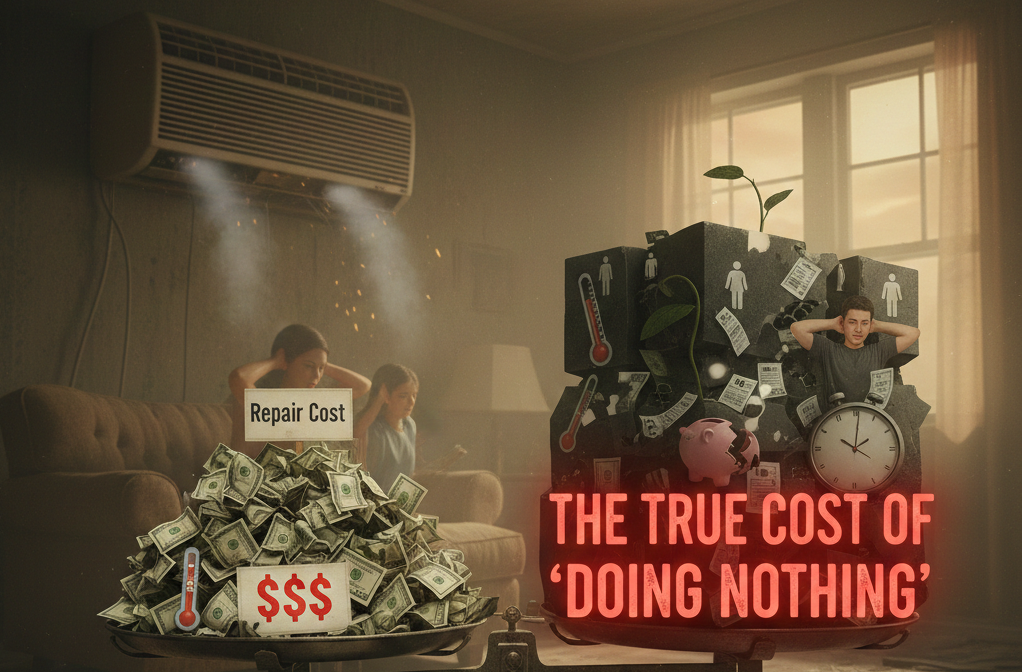
The true cost of doing nothing isn’t just financial. Comfort, health, and even your home itself are at stake when your AC cannot keep up.
1. Reduced Comfort and Sleep Quality
A struggling AC often results in:
Hot, stuffy rooms, especially upstairs or in sun-facing rooms
Higher indoor humidity that leaves the home feeling clammy even when the thermostat reads low
Nights where the system runs constantly but still cannot keep bedrooms cool
Poor sleep and constant discomfort add daily stress. Over time, many homeowners gradually “get used to it” and raise their tolerance level instead of addressing the root cause. But there is a big difference between “technically working” and actually delivering the comfort your system is designed to provide.
2. Indoor Air Quality and Health Issues
When air conditioning performance drops, indoor air quality usually suffers as well. This can create or aggravate health concerns, especially for people with allergies, asthma, or other respiratory issues.
Common issues include:
Excess humidity that encourages mold and mildew growth on walls, in ducts, and around vents
Dirty filters and coils that recirculate dust, pet dander, and other irritants
Stale air from inadequate air exchange and filtration
Ignoring these conditions can lead to more frequent allergy flare-ups, breathing difficulties, and lingering odors throughout the home. For households with seniors, children, or anyone with respiratory problems, this is not just a comfort issue—it is a health risk.
3. Moisture Damage to Your Home
In a hot, humid climate, your AC does more than cool air—it also removes moisture. When the system is struggling, it often fails to keep humidity in a safe range. Over time, excess moisture can:
Damage drywall, paint, and wood trim
Warp flooring and cause doors to stick
Promote mold growth in hidden areas such as behind walls and inside closets
Contribute to condensation on windows, which can eventually damage frames and sills
Repairing moisture damage or remediating mold can be far more expensive than fixing the original AC issue that allowed humidity to get out of control in the first place.
The Risk of AC Failure at the Worst Possible Time
Air conditioners rarely choose a mild day to fail. They tend to break down when temperatures and humidity are at their highest—exactly when the system is under the most strain.
When you ignore the early warning signs:
You greatly increase the chance of a total breakdown during the hottest days.
Emergency service may be harder to schedule because many other homeowners are calling for the same reason.
You may face uncomfortable or even unsafe indoor temperatures, especially for vulnerable family members.
In extreme heat, a complete AC failure can be more than an inconvenience. It can pose serious risks for infants, elderly family members, and anyone with health conditions affected by heat and humidity.
The Psychological Trap: Why Homeowners Delay AC Repairs
Many homeowners put off calling for service because:
“The system still kind of works.”
“I don’t have time to deal with a technician right now.”
“It’s probably going to be expensive, so I’ll wait until it totally dies.”
This is understandable—but costly. When the system does fail, you lose control over timing and budget. Instead of choosing a convenient appointment and weighing options calmly, you are forced into emergency-mode decisions when the house is already hot and uncomfortable.
By acting early:
You schedule service on your terms, not in the middle of a crisis.
You often catch problems when they are smaller, simpler, and cheaper to fix.
You can plan for future upgrades rather than being forced into a quick replacement.
The Benefits of Immediate Action
Doing something when your AC is struggling almost always costs less than doing nothing. The benefits include:
1. Lower Monthly Energy Costs
Restoring system efficiency through cleaning, tune-ups, and minor repairs can:
Shorten run times
Reduce strain on the compressor and blower
Improve airflow and temperature control
Even modest efficiency gains add up significantly in a climate where AC runs many months of the year. Over time, lower energy bills help pay for the cost of maintenance and repair work.
2. Longer System Lifespan
With proper care, many systems run reliably for years longer than neglected units. Acting early helps:
Protect the compressor and other high-cost components
Prevent excessive wear from high temperatures and pressure
Keep motors, belts, and electrical components in better condition
Extending the life of your current system delays the need for a major investment in a new AC unit and gives you more time to plan and budget.
3. Better Comfort and Peace of Mind
When problems are addressed quickly, your home:
Cools more evenly from room to room
Maintains a more consistent temperature and humidity level
Feels more comfortable day and night
Equally important, you gain peace of mind knowing your system is in good working order rather than waiting to see if it will fail when you need it most.
What You Should Do When You Notice AC Problems
If you suspect your air conditioner is struggling, a few simple steps can help you decide what to do next.
Check and replace air filters
Dirty or clogged filters are one of the most common—and easiest—issues to resolve. If the filter is visibly dirty, replace it and monitor performance over the next day or two.
Inspect vents and thermostat settings
Make sure supply vents are open and unobstructed and that the thermostat is set correctly (cooling mode, fan on “auto,” and a realistic setpoint).
Listen and look for obvious issues
Note any unusual noises, visible ice on the unit, water around the air handler, or unusual smells when the system runs.
Call a professional when problems persist
If comfort issues, high bills, noise, or humidity problems continue, it is time to schedule a professional AC inspection. A trained technician can identify underlying issues, explain your options, and help you make a cost-effective decision.
Why Proactive Maintenance Beats Emergency Repairs
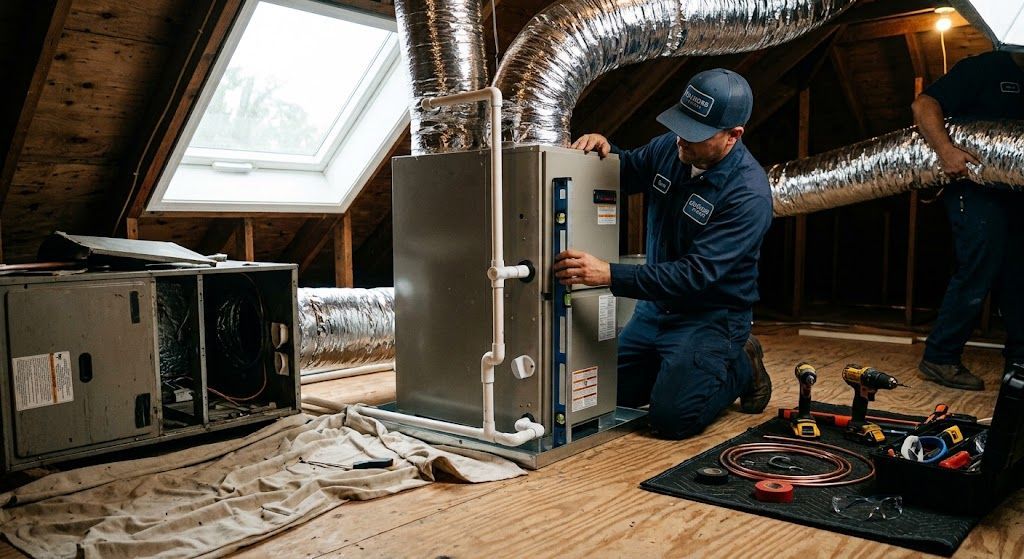
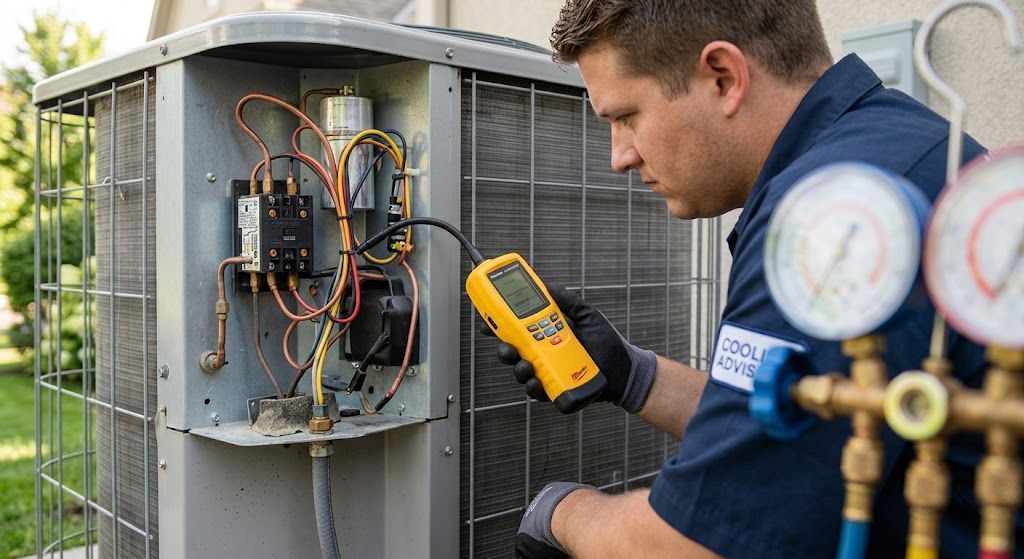
Regular preventive maintenance is one of the best ways to avoid reaching the “struggling” stage in the first place. A typical maintenance visit can include:
Cleaning coils and checking refrigerant levels
Inspecting electrical connections and safety controls
Testing system performance and airflow
Identifying worn parts before they fail
This proactive approach helps keep your system running efficiently, reduces the chance of sudden breakdowns, and provides early warning when it is time to start planning for replacement, rather than facing a surprise failure.
Turning a Struggling AC into a Smart Opportunity
While a struggling AC can be stressful, it is also an opportunity to improve your home’s comfort, safety, and energy efficiency. Taking action now lets you:
Fix small problems before they cause major damage
Reduce your monthly cooling costs
Protect your home from humidity-related issues
Safeguard the health and comfort of everyone inside
The bottom line: doing nothing is rarely free. The longer you wait, the more you are likely to pay in energy, repairs, and premature replacement—not to mention discomfort and stress. Acting early when your AC first shows signs of struggle is the smartest, most cost-effective move you can make for your home and your budget.