Smiling sun with sunglasses, turquoise palm trees, and ocean, on a sunny day.

Prevent an AC Breakdown with a 10-Minute DIY Check
Corey Creekmore • December 16, 2025
Two black palm trees on a small island, set against a white background.

Share this article


Black silhouette of two palm trees on a small island.

When summer hits and temperatures surge, an unexpected AC breakdown can quickly turn your home from a cool retreat into a sweltering headache. In hot, humid climates, air conditioning is more than a luxury; it is a necessity for comfort, safety, and indoor air quality. The good news is that preventing many AC emergencies does not always require tools, training, or a service call. A simple, 10-minute monthly DIY check can help you catch small issues early before they snowball into a major AC breakdown.


This easy routine will not replace professional maintenance, but it does serve as an early warning system. By walking through a few basic checks each month, you can protect your equipment, reduce strain on the system, and keep your home more comfortable all season long. Best of all, you do not need to be especially handy to complete these steps; if you can change a filter and read a thermostat, you are already qualified.


Why a Monthly Check Matters

Air conditioners work hardest when outdoor temperatures are high and humidity is heavy. That constant demand can push worn parts, dirty filters, and minor electrical issues to the breaking point. Many homeowners only discover problems when the system stops cooling entirely, turning a small fix into a costly AC breakdown. A monthly check turns that pattern around by helping you see the warning signs early.


Even if you already schedule annual or bi-annual professional tune-ups, small conditions can develop in between visits. Filters can clog faster than expected, drains can start to back up, and outdoor units can become choked with leaves, grass, and debris. The monthly check acts as a bridge between professional visits, keeping you aware of changes in performance and comfort. Over time, this simple habit can extend the life of your system and lower the risk of inconvenient failures.


Safety First Before You Start

Before touching any part of your system, safety comes first. While the 10-minute check is designed to be simple and non-invasive, it still involves equipment that uses high voltage and can contain moving parts. You do not need to remove panels, open electrical compartments, or handle refrigerant to complete these steps. In fact, those tasks should always be left to a licensed HVAC professional to avoid injury and additional damage.


Start by making sure your hands are dry and that you are wearing shoes, not bare feet, especially if you will be walking outdoors near the condenser unit. If you need to touch any equipment surface for cleaning or inspection, turn the system off at the thermostat. For outdoor checks where you may reach behind or around the unit, it is a good idea to switch the system off completely so the fan cannot start unexpectedly. If anything looks damaged, burnt, or unsafe, stop immediately and call for service instead of trying to fix it yourself.


Step 1: Check the Thermostat and Settings

The thermostat is the “brain” of your cooling system, and incorrect settings are one of the most common reasons homeowners think they have an AC breakdown when the issue is actually simple. Begin your 10-minute check by looking closely at your thermostat display and making sure it is set correctly for the season. Confirm that it is on “Cool” mode and that the fan is set to “Auto” rather than “On,” which can cause the fan to run continuously and make it seem like the AC is not cooling properly.


Next, compare the set temperature to the actual room temperature displayed on the screen. If the thermostat says the room is at 78 degrees and you are set to 75, the system should currently be running or should start shortly. If the display is blank, dim, or flickering, replace the batteries if it uses them, and confirm that the circuit breaker is not tripped. Odd behavior at the thermostat level can be an early clue of a deeper issue that, if ignored, could lead to an AC breakdown at the worst possible time.


Step 2: Replace or Inspect the Air Filter

A clogged air filter is one of the fastest ways to stress your AC system and invite a breakdown. When the filter is dirty, airflow drops dramatically, forcing the blower motor and other components to work much harder than necessary to move cool air through your home. Over time, that strain can cause the system to freeze up, overheat, or fail prematurely. For this reason, checking and replacing the air filter is one of the most important parts of your monthly routine.


Locate your filter in the return air grill or inside the indoor air handler cabinet. Slide the filter out and hold it up to the light. If you cannot see light passing through most of the material, or if it is covered in dust, pet hair, or debris, it is time for a replacement. Always match the size and type recommended by your HVAC professional, and make sure the airflow arrow on the filter frame points in the correct direction when you install it. A clean filter reduces energy use, improves indoor air quality, and dramatically lowers the chance of an unnecessary AC breakdown during peak heat.


Step 3: Listen for Unusual Noises

With the thermostat set to cool and the system running, take a moment to walk near the indoor unit, the vents, and the outdoor condenser. Your goal is to listen for any sounds that differ from the system’s normal hum. Gentle fan noise and a soft whoosh of air are typical. On the other hand, rattling, clanging, grinding, squealing, or loud hissing noises are all signs that something is not right and may be leading you toward an AC breakdown if ignored.


Inside, stand near a few supply vents and the return grill. If you hear whistling, it could indicate a blocked filter or a partially closed vent. Near the air handler or furnace, a metallic screech or grinding sound can suggest a fan or motor issue. Outside, a buzzing or chattering noise at the condenser can point to failing electrical components, while loud banging can indicate a failing fan or compressor. You do not need to diagnose the cause; simply note where you hear the noise and contact a professional before the problem escalates.


Step 4: Check Airflow at Vents

Once you have listened for unusual sounds, move your hand in front of several vents throughout your home, including rooms on different floors if applicable. You are checking for both temperature and airflow strength. The air should feel noticeably cooler than the room, and the airflow should be relatively consistent from room to room. Weak air from multiple vents or hot air when the system is set to cool can be an early warning that an AC breakdown is on the horizon.


If one or two rooms have significantly weaker airflow, make sure the vents in those spaces are fully open and not blocked by furniture, curtains, or rugs. Closed or blocked vents increase pressure in the duct system and may cause leaks or damage over time. If the air from all vents feels warm, the outdoor unit may not be running, the system could be low on refrigerant, or a more serious mechanical problem might exist. In any of these cases, shut the system off and schedule a professional inspection to avoid further damage.


Step 5: Inspect the Outdoor Condenser Unit

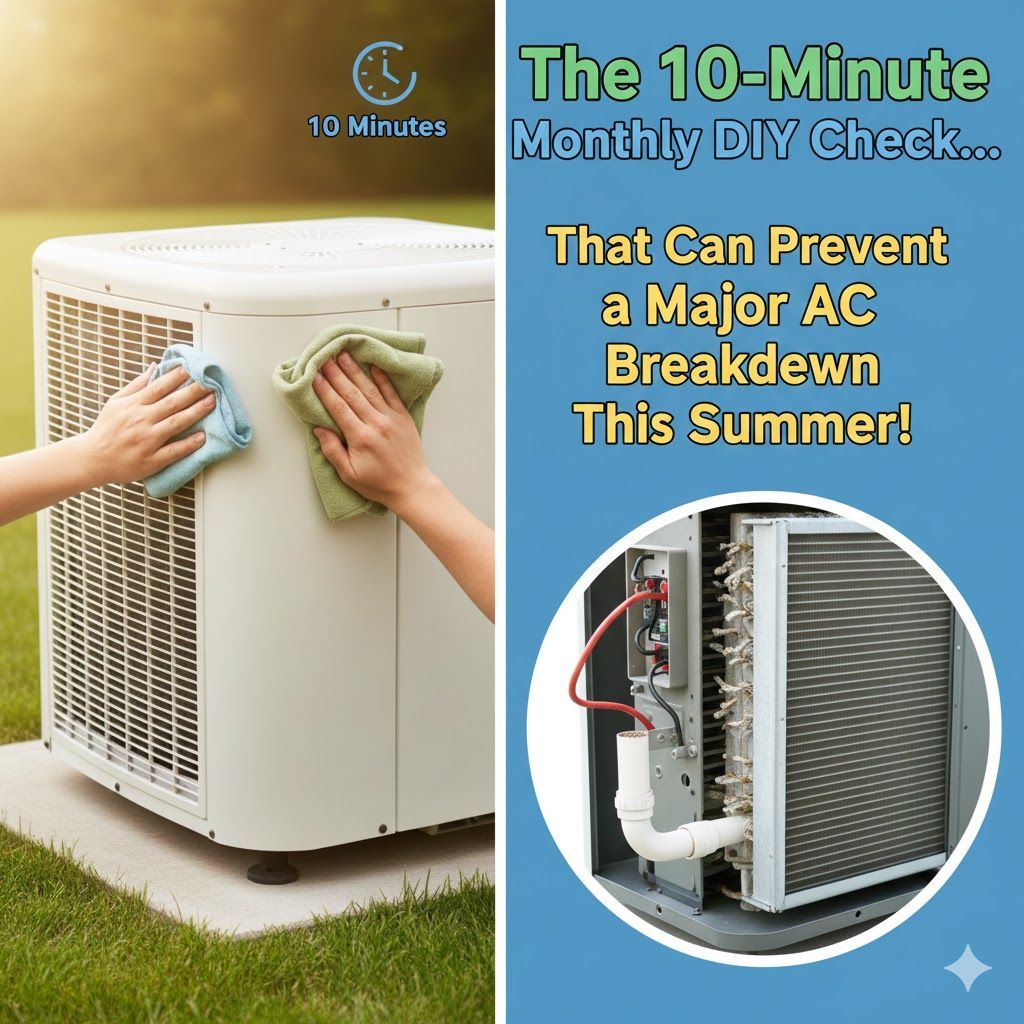
The outdoor condenser is your AC system’s workhorse, and it needs room to breathe. Walk outside and visually inspect the unit. You should see at least two to three feet of clear space on all sides and several feet of clearance above. If grass, shrubs, or vines are growing too close, trim them back so air can flow freely through the coils. Debris buildup is a very common and easily preventable cause of reduced performance and eventual AC breakdown.


Look through the grille at the top and sides for leaves, twigs, dirt, or cotton-like fluff stuck on the coil surfaces. You can gently brush away loose debris at the surface, but do not open the unit or spray it with high-pressure water as that can bend the fins and cause damage. Also, check that the unit is level; if it appears to be tilting or sinking on one side, the strain can affect refrigerant lines and internal components. Any visible damage, severe rust, or oil stains on the refrigerant lines should prompt a call to a licensed technician before the unit fails during a heat wave.


Step 6: Look for Water Leaks and Moisture Issues

Excess moisture around your AC system is more than a nuisance; it can signal a developing problem that might lead to both water damage and a full AC breakdown. Indoors, look near the air handler or furnace for water around the base of the unit. A small amount of condensation on the outside of the cold drain line is normal in humid areas, but puddles on the floor, wet insulation, or signs of mold growth are red flags.


Find the condensate drain line, usually a PVC pipe exiting near the indoor unit, and verify that water is draining properly when the system runs. Outside, you should see a slow, steady drip from the line when the AC is actively cooling. If the line is dry despite heavy use, or if you notice water backing up indoors, the drain may be clogged. Many homeowners use a wet/dry vacuum at the outdoor end of the line or pour a small amount of diluted vinegar into the indoor access to help keep it clear, but if you suspect a serious blockage, contact a professional. Addressing drainage issues early reduces the chance of a shutdown caused by safety switches that trip to prevent overflow.


Step 7: Monitor Performance and Utility Bills

The final step in your 10-minute monthly DIY check is more about observation than inspection. Pay attention to how long your system runs to reach the set temperature and how often it cycles on and off during a typical day. If you notice that it runs longer than usual, struggles to keep up with normal outdoor temperatures, or turns on and off rapidly in short bursts, those patterns can be early indicators of a looming AC breakdown.


Also, keep an eye on your monthly energy bills during cooling season. A steady increase in usage or cost that cannot be explained by rate changes, added appliances, or unusual weather is often a sign that your air conditioner is working harder than it should. Documenting these trends and sharing them with your HVAC technician provides valuable clues. When caught early, many of the underlying issues—such as low refrigerant, airflow restrictions, or failing components—can be corrected before they become catastrophic failures.


When to Call a Professional Immediately

While the 10-minute check will help you prevent many problems, there are moments when you should stop DIY efforts and call a professional right away. If your AC will not turn on at all, is blowing warm air only, or is repeatedly tripping the breaker, shut it down and avoid repeated restart attempts. Persistent burning smells, electrical odors, or visible smoke require immediate attention to prevent fire or equipment damage.


Likewise, if you see ice forming on the refrigerant lines or indoor coil, do not continue running the system; turn it off and let it thaw while you schedule service. Running an iced-over system can damage the compressor and lead to a full AC breakdown that may require extensive repairs or replacement. Unusual, loud noises that appear suddenly are also reasons to call for help quickly. The sooner the underlying issue is addressed, the greater the chance of a simple, less expensive fix.


Pair DIY Checks with Professional Maintenance

The 10-minute monthly DIY routine is a powerful tool to prevent an AC breakdown, but it is not a substitute for professional maintenance. Licensed HVAC technicians have specialized instruments, training, and experience that allow them to test electrical components, measure refrigerant levels, inspect ductwork, and verify that every part of the system operates safely and efficiently. Combining your quick monthly check with a scheduled tune-up—ideally before peak summer heat—offers the best protection for your comfort and your budget.


Think of your monthly inspection as your first line of defense and your professional technician as your system’s long-term health partner. By catching basic issues early and scheduling expert service when needed, you reduce stress on your equipment, improve indoor air quality, and avoid the frustration and expense of a surprise AC breakdown at the worst possible time. With just ten minutes a month, you can take an active role in preserving your home’s comfort all summer long.
Recent Posts

By Corey Creekmore January 7, 2026
Hurricane season preparation starts long before a storm shows up on the radar, and your air conditioner should be just as ready as your family and home. A well‑prepared AC system is safer, less likely to suffer damage, and more likely to bounce back quickly after a major storm. ​ Why Hurricane Season Threatens Your AC Hurricane season brings more than just wind and rain; it creates a perfect storm of conditions that can damage an AC system. High winds can turn loose objects, branches, and even patio furniture into projectiles that dent or crush your outdoor condenser. ​ Power surges and outages can fry sensitive electronics, compressors, and control boards inside your HVAC equipment. ​ Heavy rain and localized flooding can damage components, especially if the unit sits low or in a poorly drained area. ​ Debris buildup around or inside the unit restricts airflow, leading to overheating and long‑term efficiency problems. ​ When you prepare specifically for hurricane season, you reduce the risk of expensive repairs, extend the life of your system, and protect your comfort once the storm passes. ​ Pre‑Season AC Preparation The best time to get your AC ready for hurricane season is during “clear sky” days, before a storm is even named. Schedule a professional HVAC inspection to catch loose connections, worn parts, weak capacitors, or low refrigerant that could fail under stress. ​ Clean or replace air filters so your system runs efficiently and can comfortably cool the home before you shut it down for an approaching storm. ​ Clear vegetation, leaves, and clutter from around the outdoor unit to maintain proper airflow and prevent objects from being blown into the fan or coil. ​ Check that the outdoor unit is firmly anchored to its concrete pad and that mounting bolts and brackets are tight to resist high winds. ​ In flood‑prone areas, talk with an HVAC professional about elevating the condenser on a platform to reduce the chance of water damage during hurricane season. ​ These proactive steps make your system more resilient and position it to handle repeated storms during a long hurricane season. ​ What To Do As a Storm Approaches Once a hurricane watch or warning is issued, shift from long‑term preparation to immediate protection of your AC system. Pre‑cool your home by lowering the thermostat a few degrees so the indoor temperature stays comfortable longer after you power the system down. ​ Turn off your HVAC system at the thermostat and then shut off the dedicated breakers to protect electronics from surges, brownouts, and lightning strikes. ​ After the system is off, place a sturdy, well‑secured cover or tarp over the outdoor unit to shield it from flying debris, but never run the AC while it is covered. ​ Remove and unplug any window or portable air conditioners so they do not become wind‑borne hazards or leak water into the home. ​ Secure the surrounding area by tying down or storing outdoor furniture, grills, toys, and yard tools that could be thrown into the condenser by hurricane‑force winds. ​ Powering down and physically protecting your equipment before the worst of hurricane season’s storms is one of the most effective ways to avoid catastrophic AC damage. ​ After the Storm: Restarting Safely As tempting as it may be to flip the AC back on immediately, hurricane season demands a cautious approach once the storm passes. Inspect the outdoor unit visually for dents, shifted position, standing water, or debris lodged in or around the fan and coil before restoring power. ​ Remove the protective cover and clear away branches, leaves, trash, and any foreign objects from the area surrounding the condenser. ​ Check the electrical panel for tripped breakers and signs of scorching or damage, and only reset breakers if everything looks normal. ​ Once power is stable and the unit looks intact, turn the system back on and listen for unusual noises, vibrations, or burning smells that could signal hidden storm damage. ​ If you notice reduced cooling, strange sounds, or water around indoor equipment, shut the system off and schedule a professional post‑storm inspection. ​ Documenting any visible damage with photos can also help when filing insurance claims related to hurricane season events. ​ Long‑Term Hurricane Season Strategies Beyond immediate preparation and recovery, homeowners can adopt longer‑term strategies to protect their AC systems every hurricane season. Install whole‑home surge protection and dedicated surge protectors for HVAC equipment to guard against frequent power spikes during storms. ​ Enroll in an annual or bi‑annual maintenance plan so a technician inspects, cleans, and tunes your system before and after hurricane season. ​ Ask about hurricane‑rated condenser stands, tie‑downs, and upgraded equipment designed to better handle wind, moisture, and salt exposure in coastal regions. ​ Keep a hurricane season kit that includes extra air filters, batteries for the thermostat (if applicable), and contact information for your trusted HVAC company. ​ Plan for comfort during extended outages with ceiling fans, portable fans, and, where safe and permitted, a properly installed backup generator to power critical systems. ​ By treating your AC as an essential part of your hurricane season plan, you protect both comfort and investment all summer and fall. ​
smart ac
By Corey Creekmore January 1, 2026
Beat West Palm Beach humidity with smart AC. Learn how smart cooling improves comfort, controls moisture, prevents mold, and cuts energy bills in Florida homes.
AC Recovery
By Corey Creekmore December 24, 2025
Restore your AC safely after a hurricane with clear inspection, restart, and repair steps designed for homes, helping prevent damage, mold, & costly breakdowns.
By Cooling Advisors December 19, 2025
Air conditioning repair in Miami, FL addresses common issues like refrigerant leaks, compressor problems, and electrical failures for reliable cooling.
By Cooling Advisors December 19, 2025
Expert air conditioning repair services restore cooling comfort quickly with professional diagnosis, quality parts, and skilled technician expertise.
ac struggling
By Corey Creekmore December 11, 2025
Stop ignoring AC problems. Discover how a struggling air conditioner quietly drains your wallet, damages comfort, and shortens system life—and what to do now.
By Corey Creekmore December 4, 2025
Why Humidity Is a Big Problem in Palm Beach Palm Beach County’s warm, coastal climate keeps outdoor humidity high for most of the year, which means indoor spaces constantly fight excess moisture. High humidity levels seep into walls, floors, furnishings, and even your air conditioning system, creating an ideal environment for mold and mildew to grow.​ When indoor air stays too damp, small problem areas such as poorly ventilated bathrooms, closets, or behind furniture can quickly develop hidden mold. Mold growth does not just damage finishes and materials; it can also affect indoor air quality and aggravate allergies or respiratory issues for people living in the home.​ How Humidity Leads to Mold and Damage Mold needs three things to thrive: moisture, organic material to feed on, and time. In Palm Beach County homes, moisture often comes from humid air, small leaks, or condensation forming on cool surfaces like ducts, windows, or uninsulated walls.​ When humid air stagnates in closed or poorly ventilated areas, surfaces may stay damp long enough for mold to colonize drywall, carpet, baseboards, and wood framing. Over time this can cause musty odors, staining, soft or crumbling materials, and in severe cases structural repairs that are much more expensive than preventive measures.​ Why Proper Airflow Matters Proper airflow is one of the most effective ways to keep moisture from lingering long enough to cause mold growth. Moving air helps evaporate condensation, balances temperature differences between rooms, and prevents pockets of stagnant, humid air from forming in corners, closets, and behind large furniture.​ Good airflow also supports your air conditioning and dehumidification equipment, allowing it to pull moisture out of the air more efficiently. When air can circulate freely through return vents, supply vents, and open interior pathways, your system does not need to work as hard to keep relative humidity within a safe range.​ The AC System’s Role in Moisture Control In Palm Beach County, the air conditioning system is the primary tool for controlling both temperature and humidity. When properly sized and maintained, an AC unit removes moisture as warm indoor air passes over the cold evaporator coil, where water condenses and drains away through the condensate line.​ If airflow across the coil is restricted by dirty filters, blocked vents, or closed interior doors, the system cannot dehumidify effectively and may even ice over or leak. Keeping filters clean, returns unobstructed, and vents open helps maintain steady airflow and allows the system to remove moisture before it turns into mold problems in ducts, closets, and around supply registers.​ Common Airflow Mistakes That Raise Humidity Several everyday habits unintentionally trap moisture indoors. Closing too many supply vents to “push” more air into certain rooms often reduces overall system airflow and dehumidification capacity, leading to temperature imbalances and condensation in ductwork or on registers.​ Blocking return vents with furniture, drapes, or storage bins limits the system’s ability to pull humid air back for conditioning. Running the AC fan in “ON” mode instead of “AUTO” may re-evaporate moisture off the coil and send it back into the home, keeping humidity elevated rather than allowing it to drain away.​ Room-by-Room Airflow Strategies In bathrooms, using a vent fan that exhausts outside during and after showers is essential to clear steam and prevent moisture from condensing on ceilings and walls. Leaving the door slightly open afterward, once privacy is no longer needed, lets conditioned air from the rest of the home circulate and finish drying the room.​ In kitchens, running the range hood while cooking and for a short time afterward carries cooking steam and combustion moisture outside. Keeping pathways around supply and return vents open in bedrooms, hallways, and living rooms allows your AC to move air continuously, minimizing cool, damp “dead zones” where mold tends to appear first.​ Target Indoor Humidity Levels for Palm Beach Homes For mold prevention, most experts recommend keeping indoor relative humidity below about 50 percent, and certainly under 60 percent. Within this range, mold spores have a much harder time colonizing surfaces, and building materials stay drier and more stable.​ In Palm Beach County, maintaining these levels usually requires a mix of air conditioning, good airflow, and sometimes standalone dehumidifiers in moisture-prone areas such as coastal-facing rooms, first-floor spaces over slab foundations, or interior laundry rooms without windows. Monitoring humidity with a simple digital hygrometer helps you catch problems early.​ Practical Steps to Improve Airflow and Reduce Moisture Several simple, low-cost steps can dramatically improve airflow and reduce mold risk in a Palm Beach home. Regularly replace or clean AC filters so the system can move air freely, and keep at least a few inches of clearance in front of all supply and return vents throughout the home.​ Use exhaust fans during moisture-producing activities, run the AC in “AUTO,” and avoid closing too many doors and vents at once. If certain rooms always feel clammy or musty, consider using a ceiling fan to circulate air, adjusting dampers to balance airflow, or adding a small dehumidifier to that specific space.​ Preventing Mold After Storms and Seasonal Weather Palm Beach County’s rainy and storm seasons create extra moisture challenges, especially when wind-driven rain finds its way around windows, doors, or roof penetrations. After heavy storms, checking for damp spots on ceilings, around baseboards, and near window sills allows you to dry affected areas quickly before mold takes hold.​ Using fans and your AC system together to dry out indoor spaces as soon as power is restored helps shorten the time surfaces remain wet. Promptly addressing roof leaks, clogged gutters, and poor yard drainage keeps excess water away from foundations and walls, reducing long-term moisture intrusion that can defeat even the best airflow inside.​ When to Call a Professional If you notice persistent musty odors, visible mold patches, or humidity levels that stay elevated despite using your AC and fans correctly, a professional inspection is a smart next step. Specialists can check for hidden moisture in walls, under flooring, and inside ductwork while evaluating whether your current system is properly sized and balanced for your home.​ Professionals can also clean and treat affected areas, repair drainage or ventilation issues, and suggest upgrades such as improved duct design, dedicated dehumidification, or better exhaust systems. The earlier these issues are addressed, the less likely you are to face extensive material replacement or long-term indoor air quality problems.​
By Cooling Advisors November 19, 2025
Professional HVAC installation services ensure proper system sizing, efficient operation, and long-term comfort for your property needs.
By Cooling Advisors November 19, 2025
Professional HVAC maintenance services help extend system life, improve efficiency, and prevent costly repairs through regular inspection and tune-ups.
By Corey Creekmore November 18, 2025
In South Florida’s unique climate, your HVAC system is more than just technology—it is vital to personal comfort, safety, and energy efficiency. Residents of West Palm Beach, Lake Worth, Jupiter, and beyond rely on air conditioning for year-round relief from heat and humidity, while occasional winter chills can make dependable heating just as important. Understanding how HVAC works, what options exist when it fails, and how local experts respond empowers homeowners to make smart choices for their families and properties. Why HVAC Matters in South Florida Palm Beach and Martin Counties endure prolonged periods of high heat, humidity, and sudden temperature shifts. These environmental conditions place consistent stress on HVAC systems, making reliable operation fundamental. Effective HVAC does more than keep homes cool: Maintains healthy indoor air quality, guarding against allergens, mold, and dust. Reduces energy bills by operating efficiently, especially during summer peaks. Offers peace of mind during emergencies, such as power outages or technical failures. Local residents depend on systems tailored to their unique property layouts—from condos in West Palm Beach to spacious homes in Stuart and Wellington. Recognizing HVAC System Troubles Early detection of HVAC problems can prevent minor annoyances from becoming expensive emergencies. Homeowners should take note if they experience: Warm air or reduced airflow despite cool settings on the thermostat. Strange noises—rattling, hissing, or banging—emanating from vents or outdoor units. Unusually high electricity bills, which may signal declining efficiency. Persistent odor or excess humidity, indicating potential system leaks or ductwork issues. Frequent cycling or inconsistent temperatures in different rooms. If any of these symptoms arise, prompt action from certified HVAC technicians in Palm Beach Gardens, Palm City, or Hobe Sound is necessary. Immediate Steps When HVAC Systems Fail A sudden HVAC breakdown during summer in West Palm Beach or an unexpected cold snap in Stuart can disrupt routines immediately. Here’s what homeowners should do: Check thermostat settings and replace batteries if needed. Inspect circuit breakers and restore power if tripped. Ensure filters are clean and correctly installed. Examine visible equipment for water leaks, excessive ice, or unnatural sounds. If problems persist, it’s important to contact expert HVAC technicians serving Palm Beach and Martin Counties for rapid diagnosis and solution. Professional HVAC Services: Diagnosis and Repair Expert HVAC professionals in communities like Jupiter and Lake Worth offer same-day emergency repair and thorough troubleshooting: Detailed system inspections to identify faulty compressors, refrigerant leaks, clogged filters, and electrical problems. Clear explanation of findings and recommendations for repair or replacement. Transparent, up-front pricing on labor and materials so homeowners can make informed decisions. Stocked trucks carrying common parts to enable fast repairs and restore comfort quickly. Technicians prioritize whole-home solutions, ensuring every aspect of indoor air quality, comfort, and reliability are considered. Options for Replacement and Installation Eventually, every HVAC system reaches a point where repair is no longer cost-effective. When that happens, Palm Beach and Martin County residents have several options: Central Air Conditioning Modern central AC units offer maximum comfort and efficiency for larger homes in Palm Beach Gardens and Wellington. Advanced models feature programmable thermostats and improved air filtration for healthier living. Mini-Split Systems and Heat Pumps For condos, additions, and small homes in Lake Park or North Palm Beach, mini-split systems and heat pumps deliver targeted cooling and heating. These systems are highly efficient and adaptable, making them a popular choice for new installations and renovations. Energy-Efficient Upgrades Installing high-SEER (Seasonal Energy Efficiency Ratio) units or integrating smart thermostats can reduce monthly bills and increase overall property value, especially in energy-conscious communities like Palm City and Stuart. Installation Process: What to Expect The process for replacing or installing HVAC systems is straightforward when handled by experienced professionals: System removal: Safe disconnection and environmentally responsible disposal of old units. Preparation: Ensuring electrical, drainage, and ductwork requirements are met for the new installation. Installation and testing: New equipment is installed, calibrated, and tested for peak performance and safety. Homeowner guidance: Technicians educate residents on system operation, filter maintenance, and settings for optimal comfort. Installations are usually completed within a day, minimizing downtime and disruption. Preventive Maintenance: Keep Your HVAC Healthy Routine maintenance is the key to extending your HVAC system’s lifespan and preventing unexpected breakdowns. Enrolling in annual or bi-annual maintenance plans in West Palm Beach, Jupiter, or Palm City delivers: Comprehensive inspections before and after peak cooling seasons. Filter changes and cleaning to improve efficiency and indoor air quality. Early identification of worn parts and potential issues. Peace of mind knowing skilled technicians are monitoring your system’s performance. Proactive care saves money and ensures uninterrupted comfort through South Florida’s demanding climate. Emergency HVAC Services: Swift Relief in Critical Situations Cooling Advisors and similar expert teams offer 24/7 emergency response across Palm Beach and Martin Counties. This means: Fast, professional attention during nights, weekends, and holidays. Access to replacement parts and portable cooling or heating solutions if major repairs are required. Guaranteed response times for critical AC or heating failures. Residents in Lake Worth, Hobe Sound, and Greenacres benefit from knowing help is always close at hand. Indoor Air Quality Solutions Modern HVAC isn’t just about temperature—it protects health by filtering dust, pollen, and microbes. Upgrades and add-ons such as HEPA filters, UV purification systems, and humidity controls are increasingly sought in West Palm Beach and surrounding communities to address allergies and promote wellbeing. Why Choose Professional HVAC Services in Palm Beach & Martin Counties The difference with local, licensed technicians lies in: Deep knowledge of Florida’s heat, humidity, rain, and regulatory codes. Tailored recommendations based on property age, design, and homeowner needs. Transparent communication at every step, from phone call to final walkthrough. Ongoing support—making customers feel secure whether facing emergencies or routine tune-ups. Family-owned businesses like Cooling Advisors bring trust and consistency, helping customers become loyal advocates after every project. Conclusion: Keeping Palm Beach and Martin County Comfortable Effective HVAC is indispensable for South Florida living. Whether your system fails unexpectedly, requires replacement, or simply needs routine care, understanding how the process works empowers homeowners in West Palm Beach, Palm City, Stuart, and nearby areas to act with confidence. Reliable technicians, clear options, and proactive solutions guarantee comfort, efficiency, and peace of mind—no matter what weather arrives at your doorstep.
Show More