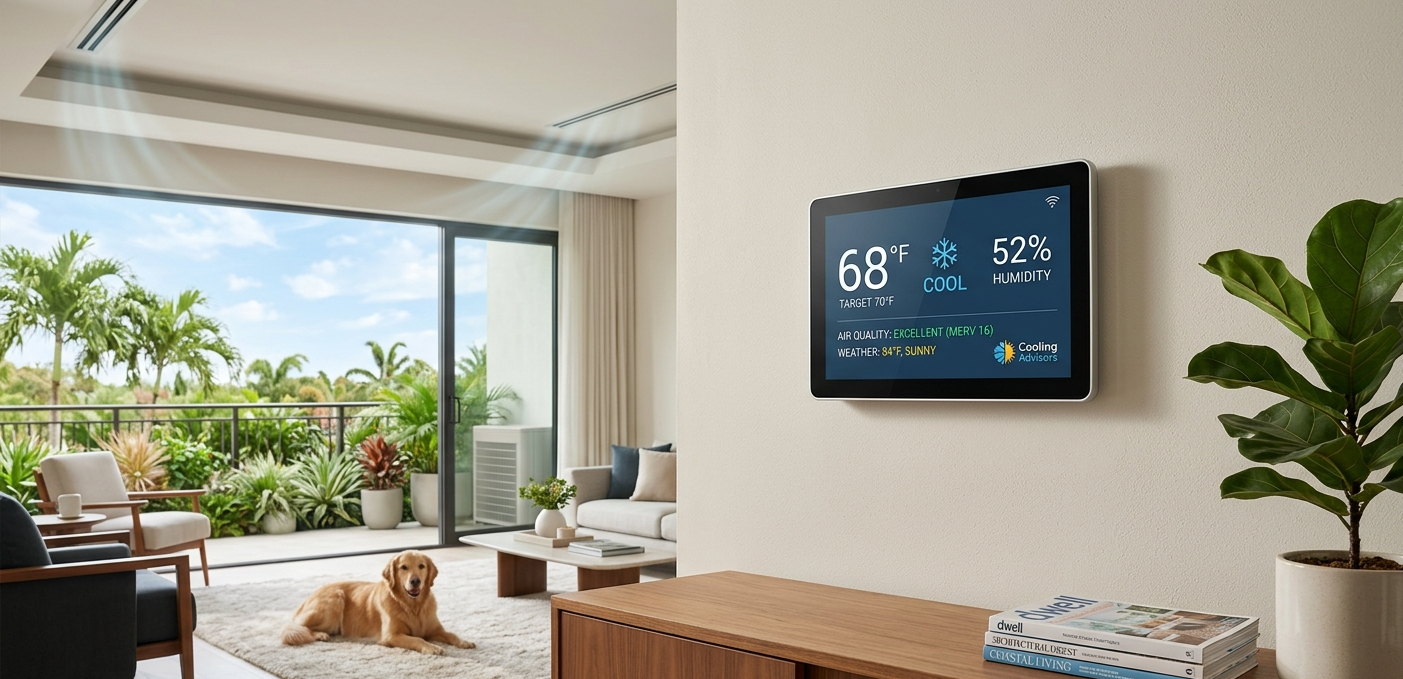
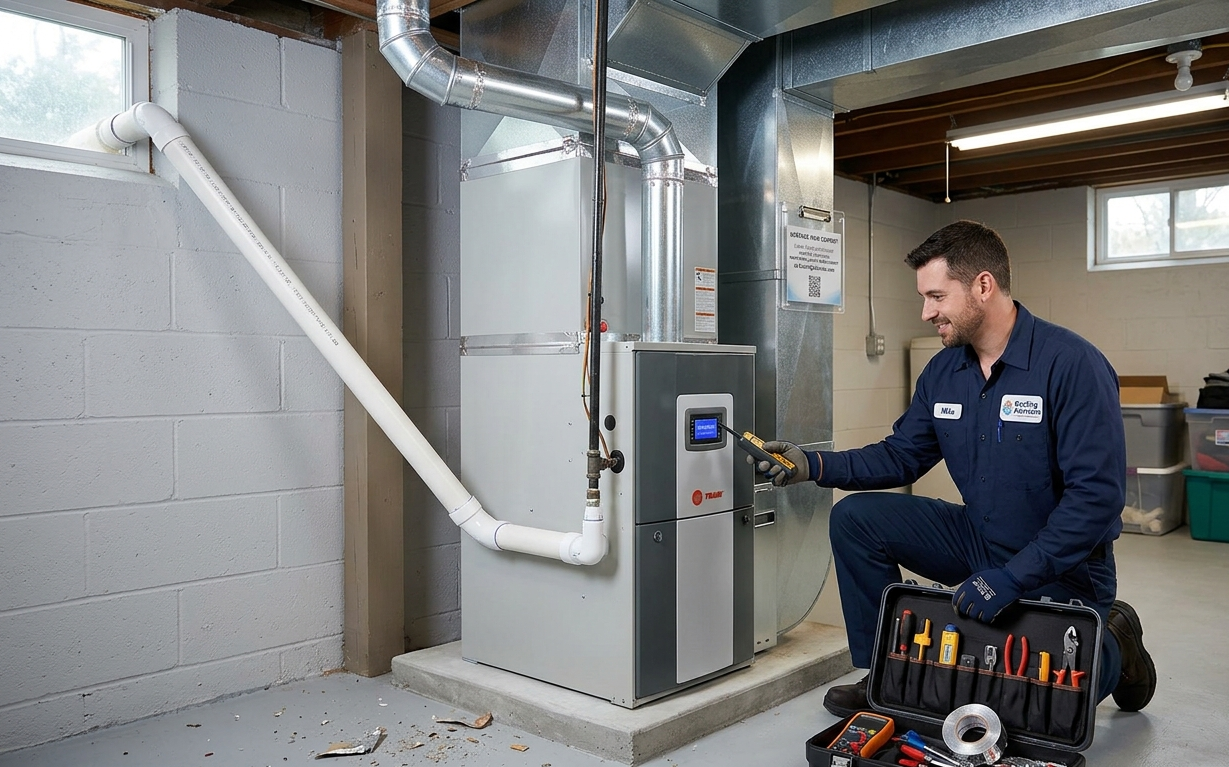
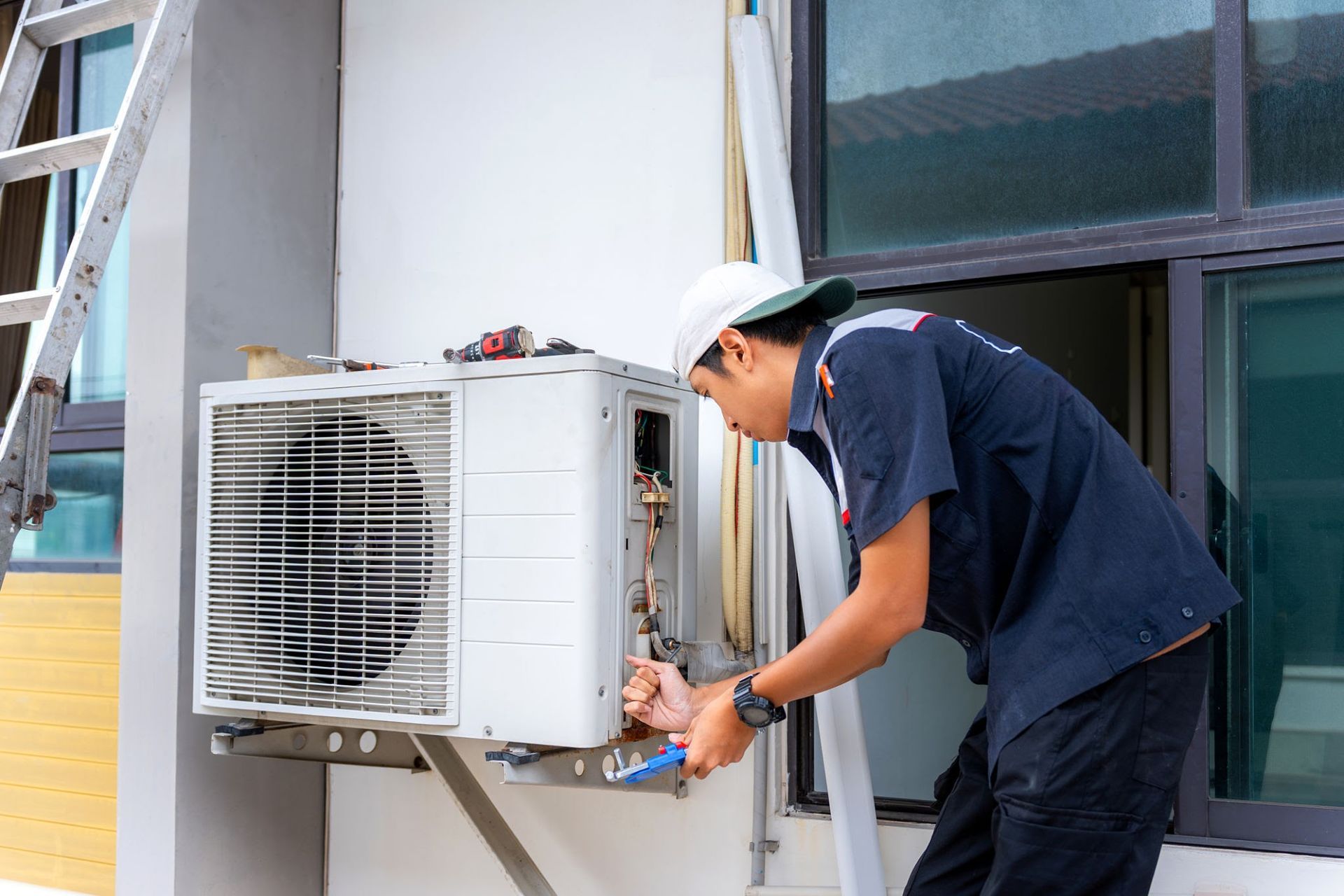
Living in South Florida means dealing with unique climate challenges. With intense summer heatwaves, heavy tropical downpours, and year-round high humidity, your heating, ventilation, and air conditioning (HVAC) system works incredibly hard. It is not just an appliance; it is the absolute heart of your home’s indoor comfort and health.
When your air conditioner struggles to keep up, or your energy bills skyrocket, it is usually a sign that your system needs professional attention. Understanding how your home comfort system works, recognizing the signs of trouble, and knowing when to call in specialized support can save you thousands of dollars in premature replacements and utility bills.
1. The Anatomy of South Florida Home Comfort
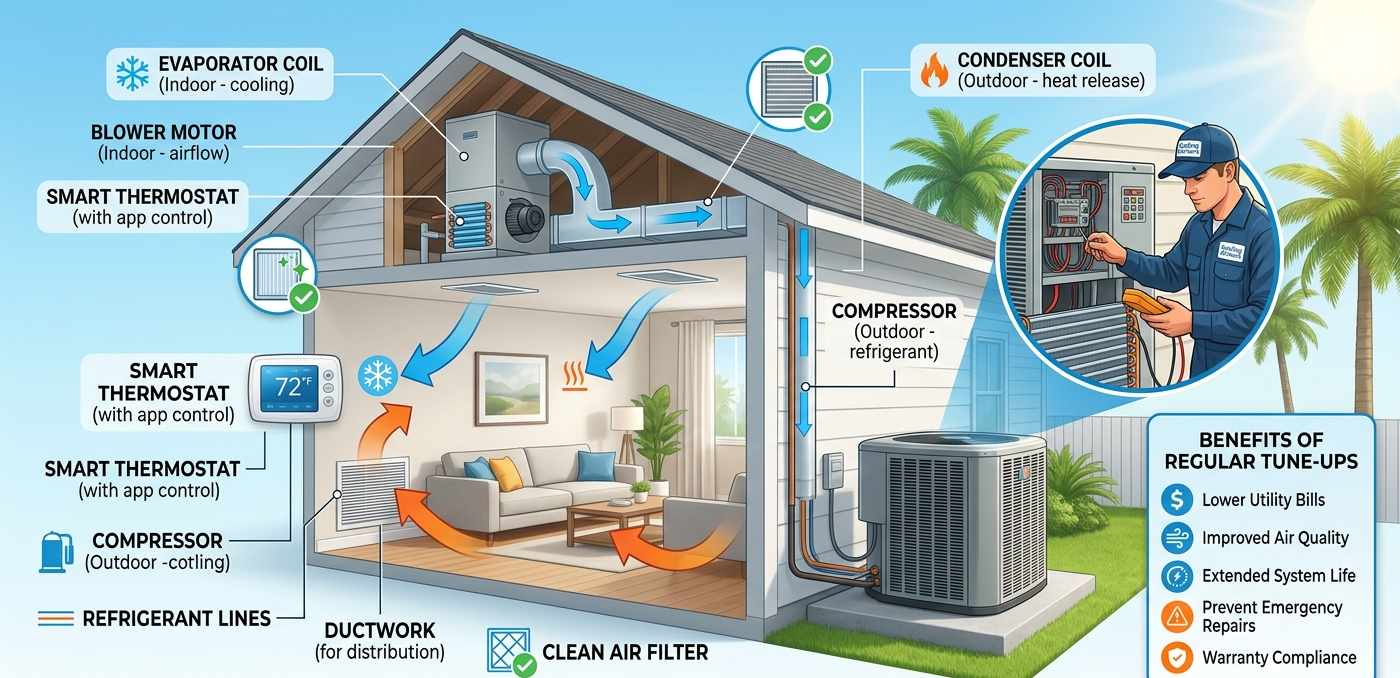
To effectively manage your indoor climate, it helps to understand what your HVAC system does. Many homeowners believe an air conditioner simply creates cold air. In reality, it works by pulling heat and moisture out of your home and transferring it outdoors.
This cycle relies on a carefully balanced system of components working in harmony:
- The Evaporator Coil (Indoor Unit): This coil is filled with cold refrigerant. As warm, humid air from your home is blown across it, the refrigerant absorbs the heat and causes moisture in the air to condense, reducing the humidity level inside your living space.
- The Compressor and Condenser Coil (Outdoor Unit): The compressor pumps the heat-laden refrigerant to the outdoor unit. Here, a large fan blows outdoor air across the condenser coil, releasing the captured indoor heat into the outside atmosphere.
- The Blower Motor and Ductwork: The blower forces the newly cooled and dehumidified air back through your home's duct network, distributing it evenly to every room.
Because South Florida homes experience near-constant cooling demands, even a minor drop in the performance of any single component can cause a cascade of operational issues across the entire system.
2. Recognizing the Warning Signs of AC Trouble
An air conditioner rarely fails without warning. Catching minor performance issues early prevents them from escalating into catastrophic mechanical failures during a blistering July afternoon. Keep an eye and an ear out for these common warning signs:
Weak or Warm Airflow
If you notice that the air blowing from your supply vents feels weak or lukewarm, your system is struggling. This can be caused by something as simple as a severely clogged air filter or as complex as a failing blower motor, a frozen evaporator coil, or a dangerous refrigerant leak.
Frequent Short-Cycling
A typical cooling cycle lasts roughly 15 to 20 minutes until the home reaches the target thermostat temperature. If your air conditioner turns on and off every few minutes without truly cooling your space, it is "short-cycling." This structural strain rapidly wears out the compressor, overheats electrical connections, and drives up your electricity consumption.
Spike in Monthly Utility Bills
While utility rates fluctuate, a sudden, unexplained surge in your monthly cooling costs is a classic sign of systemic inefficiency. When coils are caked in grime or mechanical parts begin to fail, the system must run longer and draw significantly more power to achieve the exact same level of cooling.
Pooling Water Around the Indoor Handler
Your air conditioner naturally pulls gallons of water out of the air daily through condensation. This water safely drains away via a condensate line. However, if that line becomes choked with algae, mold, or debris, the water backs up and overflows. Standing water around your indoor unit can cause massive structural property damage, ruin drywall, and spark toxic biological growth.
3. The True Cost of Neglecting HVAC Maintenance
Waiting until your system breaks down completely before calling a professional is one of the most expensive ways to manage your home comfort. Routine, proactive care acts like an oil change for your car—it keeps everything running smoothly and extends the operational life of your equipment.
Did you know? Industry data shows that routine biannual preventative maintenance can recover up to 95% of an air conditioner's original operating efficiency, saving you substantial amounts on monthly power bills.
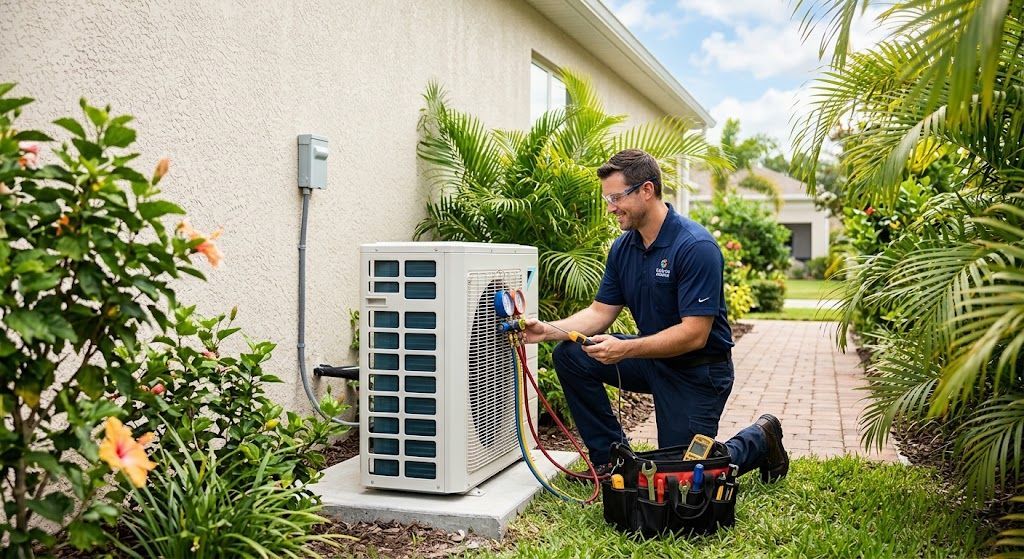
Regular professional tune-ups protect your home in several ways:
- Preserving Manufacturers' Warranties: Most major HVAC manufacturers explicitly require proof of regular professional maintenance to honor parts warranties. If a compressor fails prematurely and you cannot prove the system was maintained, you could be left footing the entire bill.
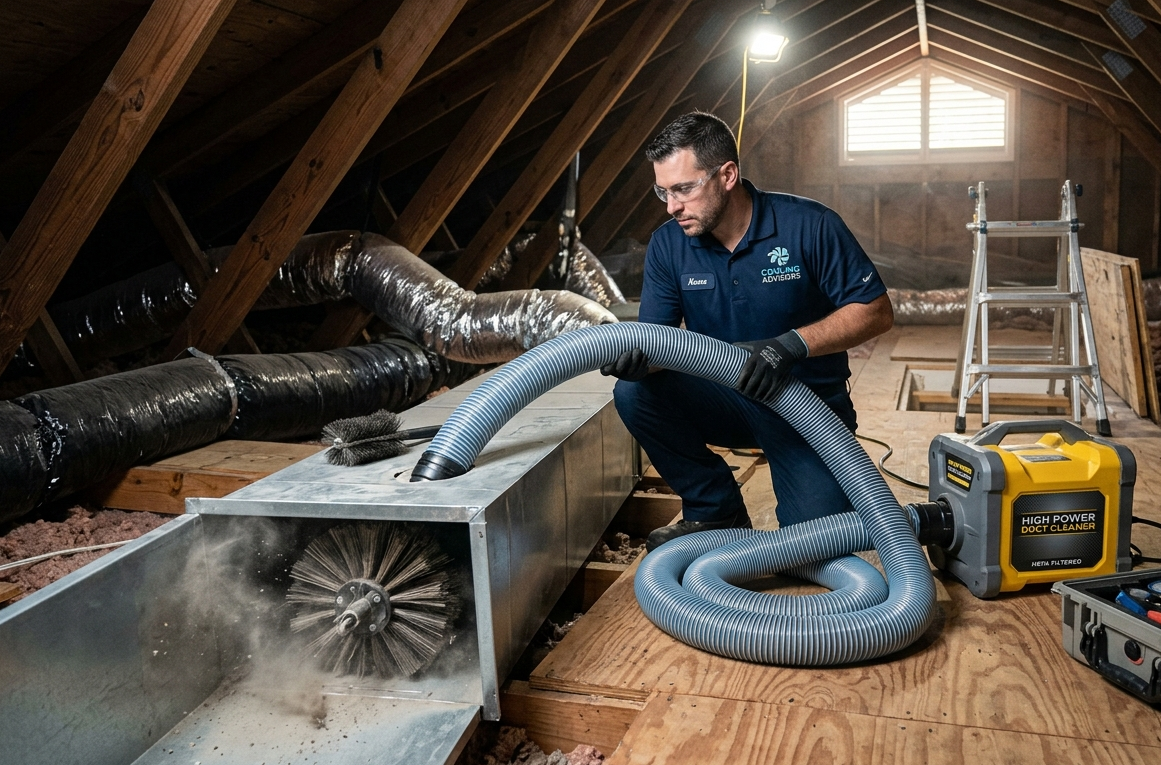
- Preventing Micro-Corrosion: In coastal and highly humid areas, airborne salt and moisture cause rapid corrosion on sensitive aluminum and copper coils. Regular professional cleaning rinses away these corrosive agents before they eat holes through your refrigerant lines.
- Optimizing Energy Transfer: Even a microscopic layer of dust on an evaporator coil acts as an insulating blanket, disrupting heat transfer and forcing the system to run hotter and longer than designed.
4. Indoor Air Quality: Breathing Easy Indoors
True home comfort involves more than just controlling the temperature on your thermostat; it is heavily dependent on the quality of the air you breathe. Because modern homes are tightly sealed to maximize energy efficiency, allergens, pet dander, dust mites, and mold spores frequently become trapped inside, continuously recirculating through your rooms.
Furthermore, Florida's infamous humidity creates a prime breeding ground for biological growth inside dark, damp AC components like the evaporator coil and drain pan. Without proper humidity control and routine maintenance, your indoor air quality can suffer, leading to musty odors and increased allergens.
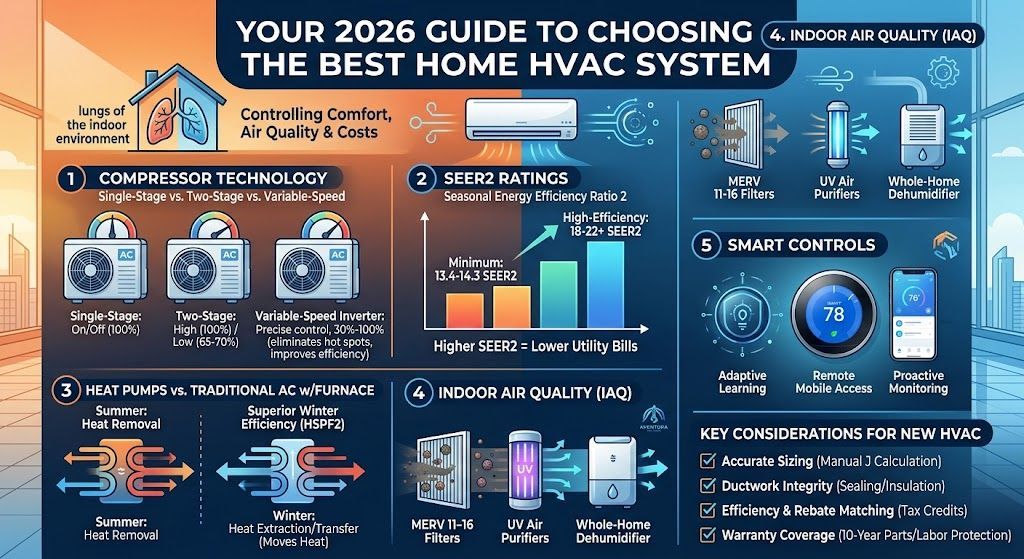
To battle indoor air pollutants, homeowners can deploy several advanced indoor air quality (IAQ) solutions:
- Media Air Cleaners: These heavy-duty filters trap up to 95% of airborne particles down to one micron, far outperforming standard fiberglass filters without restricting vital system airflow.
- UV Germicidal Lights: Installed directly inside the indoor air handler, these specialized ultraviolet lights continuously bathe the evaporator coil, destroying the DNA of mold spores, bacteria, and viruses before they can multiply and spread.
- Whole-Home Dehumidifiers: These units work alongside your primary air conditioner to pull excess moisture out of the air on days when it is highly humid but not hot enough to trigger a full cooling cycle.
5. When Is It Time to Upgrade Your System?
No cooling system lasts forever. If your unit is approaching or has passed the 10-to-15-year mark, you are likely spending more money keeping an old system alive than it would cost to upgrade to a modern, highly efficient alternative.
+------------------------------------+------------------------------------+
| Old Systems (10+ Years) | New SEER2 Systems |
+------------------------------------+------------------------------------+
| • R-22 Freon (Banned / Costly) | • Eco-Friendly R-410A / R-454B |
| • Frequent, Costly Repairs | • Comprehensive Parts Warranties |
| • Constant High Utility Bills | • Up to 50% Reduction in Energy Use|
| • Inconsistent Humidity Control | • Variable-Speed Moisture Control |
+------------------------------------+------------------------------------+
When looking for a replacement, pay close attention to the
SEER2 (Seasonal Energy Efficiency Ratio 2) rating. This updated federal standard measures real-world cooling efficiency. Upgrading from an older, low-SEER system to a modern high-efficiency unit can cut your cooling energy consumption by 30% to 50% overnight, allowing the system to rapidly pay for itself via reduced energy bills.
6. Secure Your Comfort with Trusted Local Advisors
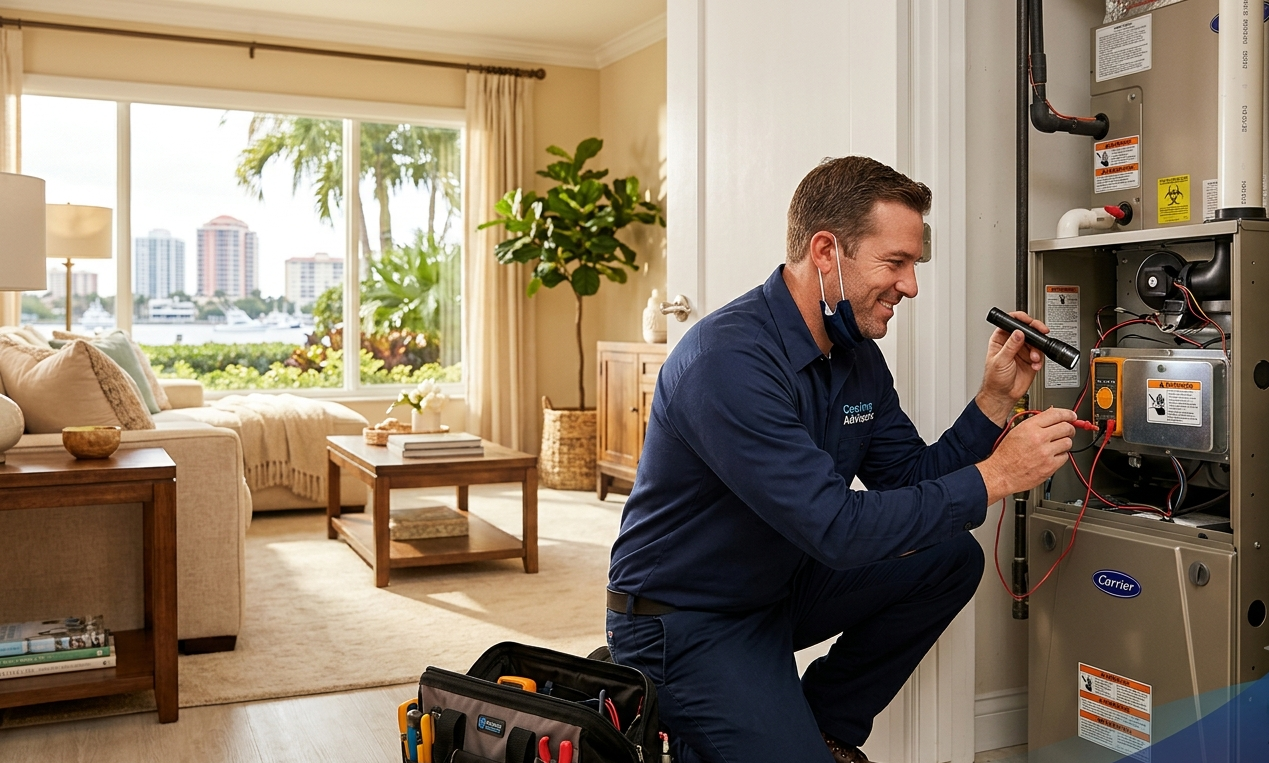
Managing a complex climate comfort system requires specialized training, professional tools, and an intimate understanding of regional weather patterns. Attempting complex DIY repairs on high-voltage electrical setups or pressurized refrigerant loops can permanently damage your system and void your equipment warranties.
When you need reliable support, look for a team backed by decades of proven service, highly trained technicians, clear upfront pricing, and an unwavering commitment to putting your home's unique comfort needs first. For a complete look at how we can optimize your home comfort, lower your monthly energy expenses, and protect your indoor air quality, explore our comprehensive
HVAC services tailored specifically for South Florida homeowners. Whether you need an emergency repair, a detailed system tune-up, or a full energy-efficient replacement, securing professional care today keeps your home a cool oasis all year long.