When most people think of South Florida, they picture palm trees, sunny beach days, and relentless summer heat. Heating systems are usually the last thing on a homeowner's mind. However, anyone who has lived through a West Palm Beach winter knows that when a winter cold front rolls in, nighttime temperatures can suddenly plunge into the 40s or 50s.
When those chilly evenings arrive, you rely on your furnace or heat pump to kick on instantly and keep your home cozy. Unfortunately, because heating units sit unused during months of humid summer weather, they are particularly vulnerable to mechanical issues, dust buildup, and sudden failure when turned on for the first time.
Whether your unit is making unsettling noises, blowing cold air, or failing to turn on altogether, staying proactive with professional care ensures your family stays warm without interruption. Below is a comprehensive guide to understanding heater troubleshooting, why routine maintenance is essential in Florida, and how to protect your HVAC investment year-round.
Telltale Signs Your Heating System Needs Immediate Repair
A furnace or heat pump rarely fails without giving subtle warning signs first. Learning to spot these red flags early can save you from a complete system breakdown during the coldest night of the season.
- Blowing Cold Air: If your vents are outputting cool air instead of heat, the primary cause is often a faulty thermostat, an extinguished pilot light, or a blown heating element. This requires high-priority attention to avoid running the system inefficiently.
- Frequent Short-Cycling: Does your heater turn on, run for less than three minutes, and then shut right back off? This rapid cycling puts immense strain on internal components and is typically caused by a clogged air filter or a tripped high-limit switch.
- Strange Squealing or Grinding Noises: While a slight dust-burning smell is normal during the first winter use, loud squealing or metallic grinding indicates worn blower motor bearings or a slipping belt that needs moderate-to-high attention.
- Uneven Burner Flame: If you have a gas furnace and notice a flickering, yellow, or uneven burner flame, this can signal dirty burners or even a cracked heat exchanger. This is a critical safety hazard with carbon monoxide risk and requires emergency repair.
- Uneven Heating and Cold Spots: If one bedroom feels like a sauna while the living room remains freezing cold, your heating distribution is out of balance due to leaking ducts, improper sizing, or a failing blower motor.
- Spikes in Energy Bills: Unusually high gas or electric bills usually mean dirty coils, restricted airflow, or worn parts are forcing your system to work twice as hard to reach your set temperature.
Why Annual Heating Maintenance Matters in South Florida
Because South Florida homes rely heavily on air conditioning for 9 to 10 months of the year, heating components are often neglected. Moist air, humidity, and inactivity create an environment where dust, mold, and rust can accumulate inside your furnace or heat pump assembly.
Here is why scheduling annual heating tune-ups is critical:
- Safety First: Gas furnaces present potential carbon monoxide (CO) risks if the heat exchanger cracks or the fuel burners get clogged. A professional inspection verifies that venting, gas pressure, and safety switches are operating perfectly.
- Lower Utility Costs: Clean burners, calibrated thermostats, and lubricated motors allow your system to heat your home using minimum energy.
- Extended System Lifespan: An unmaintained heating system wears out prematurely. Regular tune-ups can extend the working lifespan of your equipment by years, saving you thousands in early replacement costs.
- Prevention of Emergency Repairs: Over 80% of unexpected winter HVAC breakdowns can be traced back to a lack of routine preventive maintenance.
What Happens During a Professional Heating Tune-Up?
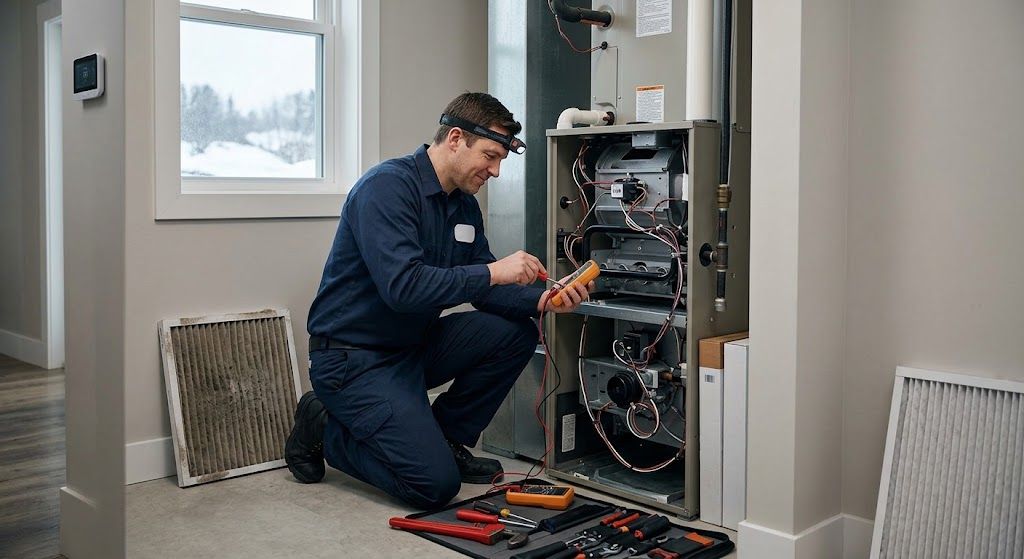
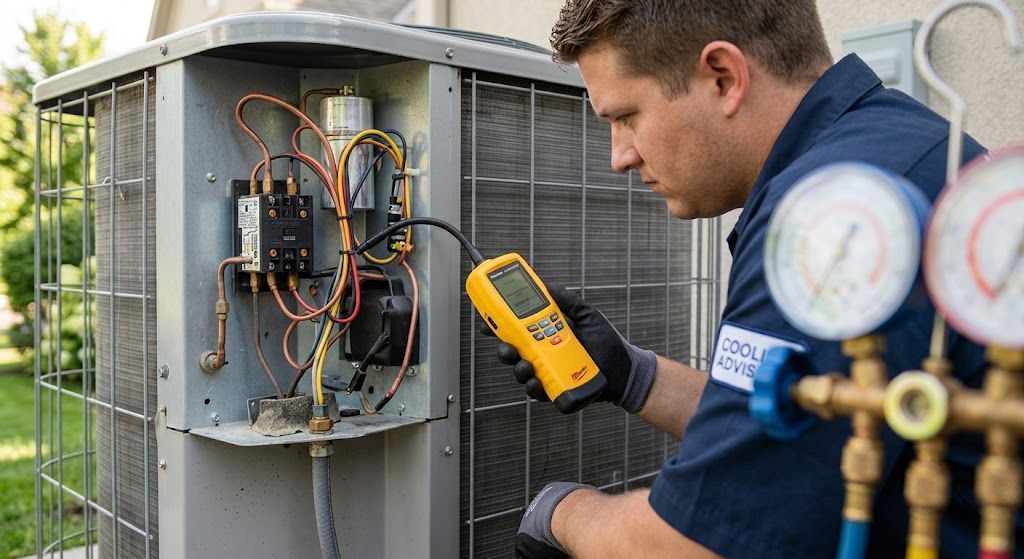
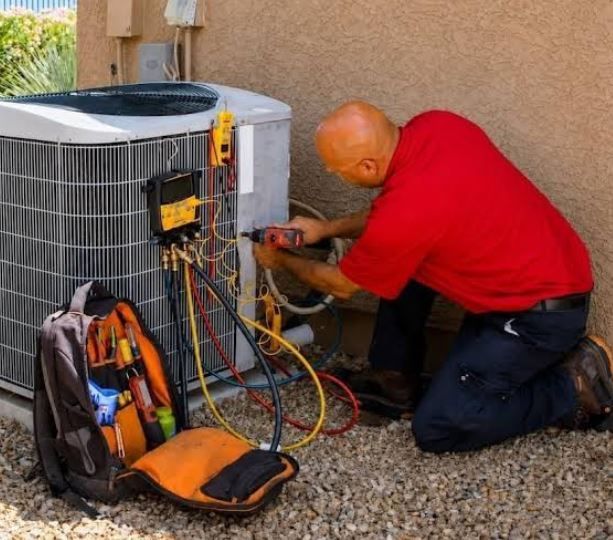
When a licensed HVAC professional inspects your heating unit, they go far beyond simply vacuuming out dust. A comprehensive precision tune-up covers every electrical, mechanical, and safety standard.
Comprehensive Maintenance Checklist:
- Blower Assembly Inspection: Inspecting fan belts, bearings, and capacitors to ensure smooth airflow distribution.
- Burner and Igniter Cleaning: Cleaning dirty ignition components and verifying clean, even burner flames.
- Heat Exchanger & Chamber Check: Checking for hidden cracks, rust, or corrosion that could compromise indoor air safety.
- Limit Switch & Safety Testing: Testing high-limit switches that prevent your furnace from dangerously overheating.
- Thermostat Calibration: Aligning temperature readings so your system turns on and off accurately.
- Ductwork and Filter Check: Clearing obstruction points and replacing dirty air filters to restore unrestricted airflow.
Heat Pumps vs. Furnaces: What South Florida Homeowners Need to Know
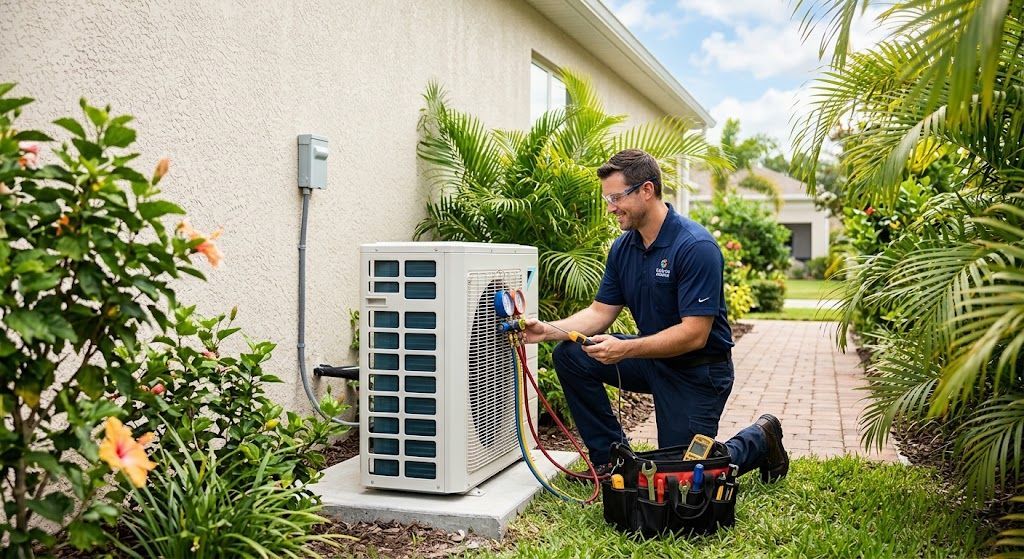
In coastal and suburban areas like West Palm Beach, Boca Raton, and Palm Beach Gardens, many homes use
heat pumps rather than traditional gas furnaces.
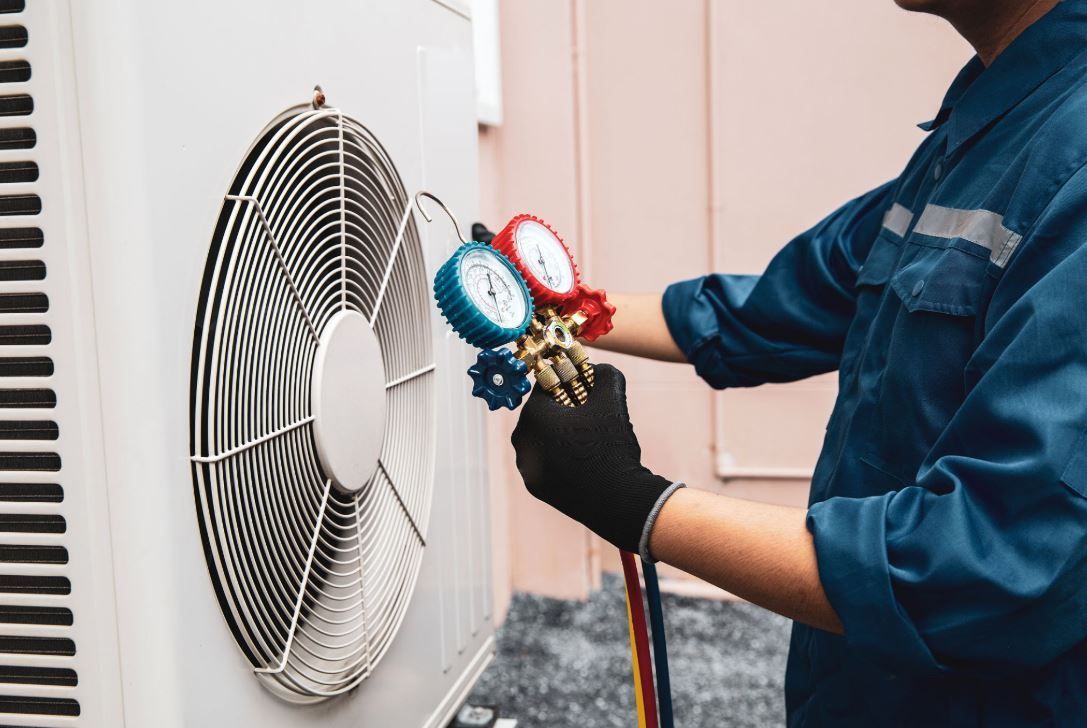
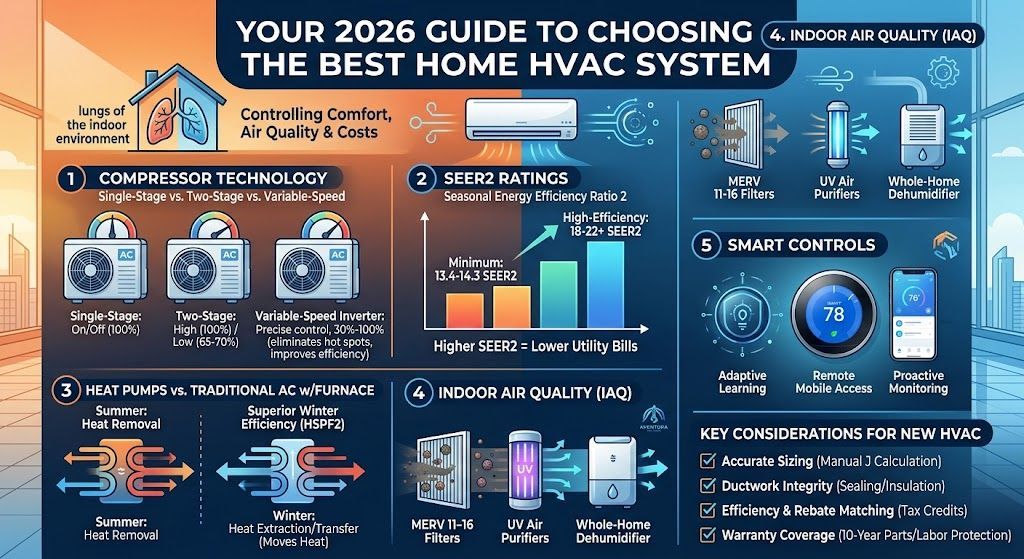
A heat pump operates as a two-in-one system. During hot summer months, it pumps heat out of your home to keep you cool. During cold snaps, it reverses direction, extracting heat from the outdoor air and pumping warm air inside.
Because heat pumps run continuously all year—cooling in summer and heating in winter—they experience twice as much wear and tear as standalone furnaces. As a result, heat pumps require regular bi-annual maintenance (once before summer and once before winter) to maintain maximum efficiency.
DIY Homeowner Maintenance vs. When to Call a Pro
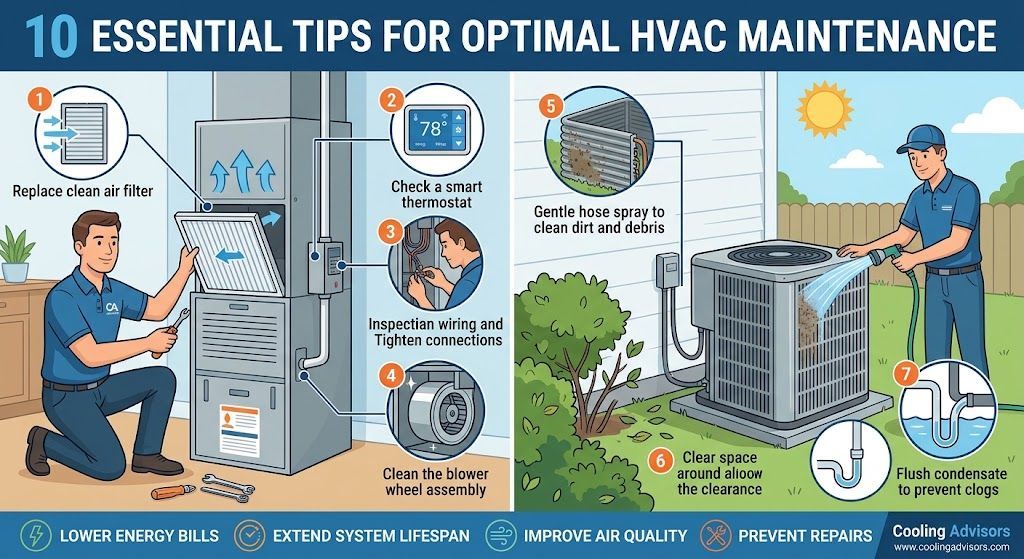
While professional HVAC technicians handle complex electrical and gas components, there are several simple steps homeowners can take to keep their heating running smoothly:
What You Can Do Yourself:
- Change Air Filters Regularly: Replace return air filters every 1 to 3 months to maintain healthy airflow.
- Clear Space Around Units: Keep at least 3 feet of clear space around indoor air handlers and outdoor heat pump units.
- Check Thermostat Batteries: If your thermostat display is blank, start by replacing the batteries.
- Keep Vents Unblocked: Ensure furniture, drapes, and rugs are not blocking supply registers or return grilles.
When to Call a Professional Immediately:
- You smell gas or sulfur/rotten eggs (turn off the system and leave the home immediately).
- Your system trips the circuit breaker repeatedly when turning on.
- You hear loud grinding, metallic screeching, or banging sounds inside the unit.
- Your furnace pilot light burns yellow or orange instead of a crisp blue.
Trust Local Experts for Year-Round Indoor Comfort
When cold weather visits Palm Beach County, you shouldn't have to worry about whether your heater will kick on. Working with a local, family-operated company that understands Florida's unique climate ensures your heating system is calibrated specifically for local demands. Look for technicians who offer upfront pricing, licensed expertise, and emergency repair options so you are never left out in the cold.
Whether you need a fast diagnostic check for an unexpected breakdown or want to enroll in a preventive maintenance plan to protect your HVAC system long-term, professional technicians are ready to restore heat and peace of mind.
For reliable service, transparent pricing, and fast local response times, rely on trusted technicians for your
West Palm Beach heating repair and maintenance needs. Don't wait for the next cold front to catch you off guard—schedule your heating inspection today to keep your home warm and comfortable all season long!