Finding an HVAC system that keeps your home cozy in the winter and crisp during the sweltering summer months can feel like a delicate balancing act. For decades, standard home heating and cooling meant running two entirely separate systems: a central air conditioner for summer heat and a furnace or electric strip heater for winter cold. Today, an increasing number of homeowners are moving away from this traditional setup in favor of an all-in-one solution: the modern heat pump.
Heat pumps have emerged as one of the most versatile, energy-efficient, and environmentally friendly climate control technologies on the market. Whether you are looking to lower your monthly utility bills, reduce your home’s carbon footprint, or replace an aging HVAC system, understanding how heat pumps work and how they benefit your indoor comfort is an essential first step.
What Is a Heat Pump and How Does It Work?
Despite what the name suggests, a heat pump does not just generate heat. Instead, it is a dual-function system designed to both heat and cool your living space by moving thermal energy from one place to another.
To understand the core mechanics of a heat pump, it helps to think of how a traditional refrigerator operates. A refrigerator doesn't actually produce cold air; rather, it absorbs heat from inside the food compartment and ejects it out into your kitchen. A heat pump works on the exact same thermodynamic principles, but on a whole-house scale—and with a clever feature called a
reversing valve.
Cooling Mode (Summer)
During warm weather, a heat pump functions identically to a central air conditioner.
- Thermal Absorption: The indoor coil acts as an evaporator. As warm indoor air passes over the cold coil, the liquid refrigerant inside absorbs heat energy from the air.
- Heat Transport: The heated refrigerant travels through insulated lines to the outdoor unit (the condenser).
- Heat Release: The compressor increases the refrigerant's pressure and temperature, allowing the outdoor coil to release the heat into the surrounding outside air.
- Circulation: Cold, dehumidified air is then circulated back through your home’s ductwork.
Heating Mode (Winter)
When cold weather arrives, the system’s reversing valve changes the direction of the refrigerant flow.
- Extracting Heat: Even in cold outdoor temperatures, thermal energy exists in the ambient air outside. The outdoor coil absorbs this ambient warmth into the refrigerant.
- Compression: The compressor pressurized the refrigerant, raising its temperature significantly.
- Warming Your Home: The high-temperature refrigerant moves to the indoor coil. As cold house air blows over the hot coil, it absorbs the heat and carries warm air through your vents.
Because heat pumps
transfer heat rather than create it through burning fossil fuels or heating up high-resistance electric coils, they achieve remarkable operational efficiency.
Major Advantages of Upgrading to a Heat Pump
If you are evaluating heating and cooling upgrades for your home, switching to a heat pump brings several distinct advantages over legacy HVAC systems.
1. Exceptional Energy Efficiency
Standard gas or oil furnaces convert fuel into heat at efficiency rates topping out around 80% to 98% AFUE (Annual Fuel Utilization Efficiency). Electric resistance heaters achieve 100% efficiency, meaning every watt of electricity yields one watt of heat.
Heat pumps, by contrast, can achieve efficiency levels between
300% and 400% under moderate conditions. Because the system merely moves existing heat rather than generating it, it can deliver up to four units of heat energy for every single unit of electrical energy consumed. This efficiency directly translates into lower monthly energy bills.
2. Year-Round Comfort in One System
With a heat pump, you no longer need to maintain separate heating and cooling units. A single system handles your climate control needs 365 days a year, simplifying routine maintenance and freeing up precious space in your mechanical closet or utility room.
3. Dehumidification and Air Quality
During cooling mode, heat pumps excel at pulling excess humidity out of the air. Balanced indoor humidity not only makes your home feel significantly cooler at higher thermostat settings, but it also discourages mold growth, dust mite proliferation, and indoor allergens. Advanced multi-stage and variable-speed heat pumps run at continuous low speeds to keep air constantly filtered and balanced.
4. Safer, Cleaner Home Operation
Gas and oil furnaces carry inherent operational risks, including combustion fumes, gas leaks, and potential carbon monoxide exposure. Heat pumps run entirely on electricity and involve zero combustion, making them a safer alternative for modern household safety.
Understanding the Types of Heat Pump Systems
Not all homes share the same floor plans, climate challenges, or architectural designs. Fortunately, heat pumps come in several configurations tailored to different residential needs.
Air-Source Heat Pumps (Ducted)
Air-source systems are the most popular heat pump style in residential HVAC. They connect directly to standard ductwork to distribute conditioned air throughout the house. If your home already has existing ducts from an older central AC or furnace, an air-source heat pump is often a seamless retrofit option.
Ductless Mini-Split Heat Pumps
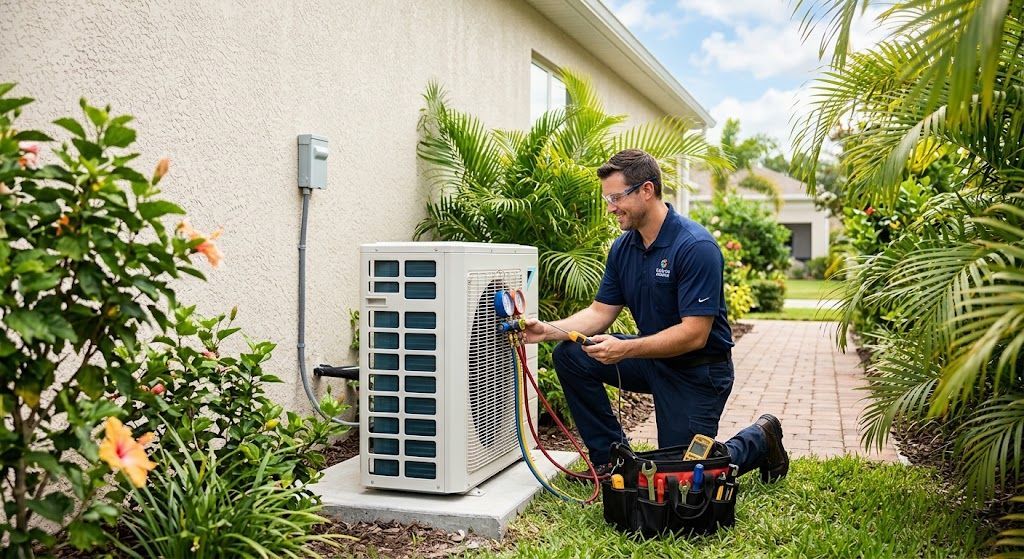
For homes without pre-existing ductwork, room additions, or specific zones that run too hot or cold, ductless mini-split systems offer an ideal solution. An outdoor unit connects to one or more compact indoor air-handling units mounted directly on walls or ceilings. Ductless systems eliminate the thermal losses associated with duct leaks, which can account for up to 30% of energy waste in traditional setups.
Geothermal (Ground-Source) Heat Pumps
Geothermal heat pumps transfer heat between your home and the earth or a nearby water source. Because ground temperatures remain steady around 50°F to 60°F year-round a few feet below the surface, geothermal systems operate with extreme efficiency regardless of harsh outdoor weather. While initial installation costs are higher due to ground loop excavation, operational costs and long-term durability are unmatched.
Key Terms to Know: SEER2 and HSPF2
When shopping for a heat pump, you will encounter industry rating metrics that indicate system performance:
- SEER2 (Seasonal Energy Efficiency Ratio 2): Measures cooling efficiency over a typical cooling season. Higher SEER2 ratings mean better cooling efficiency and lower summer electricity costs.
- HSPF2 (Heating Seasonal Performance Factor 2): Measures heating efficiency over a typical winter season. Higher HSPF2 ratings indicate greater efficiency during cold months.
Selecting a unit with high SEER2 and HSPF2 ratings ensures maximum energy savings over the system's lifespan, often qualifying homeowners for local utility rebates and federal tax credits.
Essential Maintenance Tips to Protect Your Investment
To keep your heat pump running at peak performance year after year, establish a regular upkeep schedule:
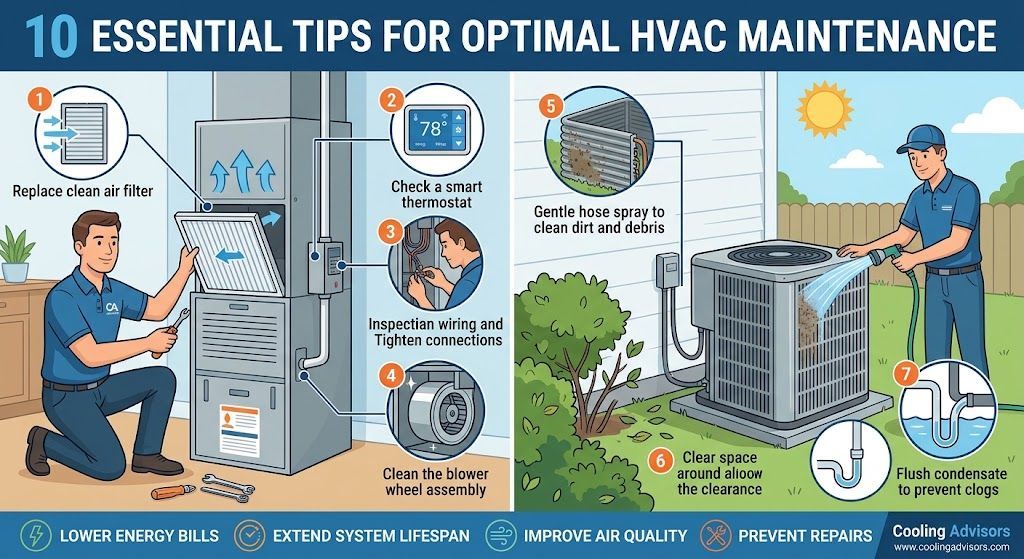
- Replace Air Filters Regularly: Check your system filter monthly and replace it every 1 to 3 months. Clogged filters restrict airflow, forcing the compressor to work harder and consume more power.
- Keep the Outdoor Unit Clear: Maintain a clearance of at least two feet around the exterior unit. Keep the surrounding area free of leaves, grass clippings, snow, and debris to ensure unimpeded airflow.
- Inspect Condensate Lines: Clean condensate drain lines periodically to prevent clogs that cause water damage or system shutoffs.
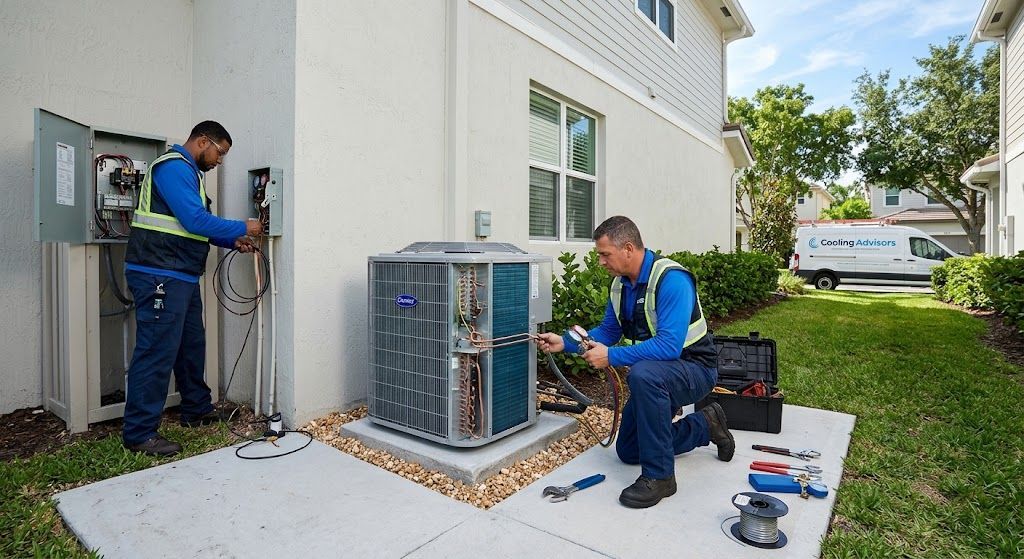
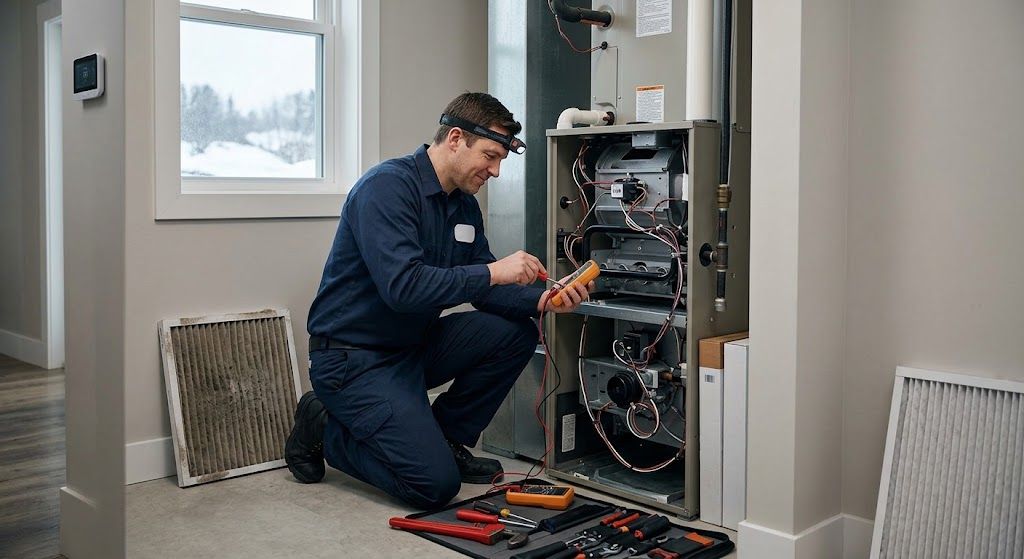
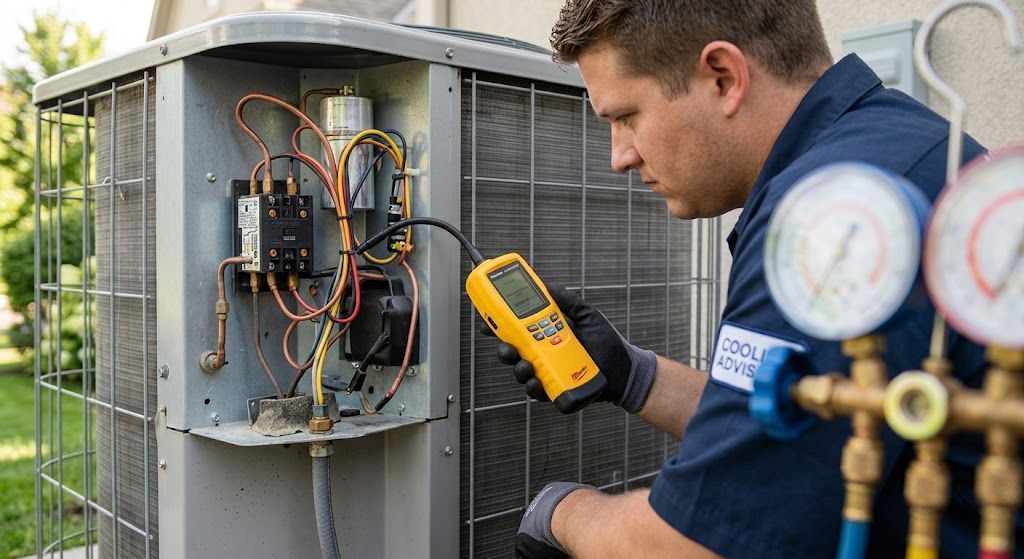
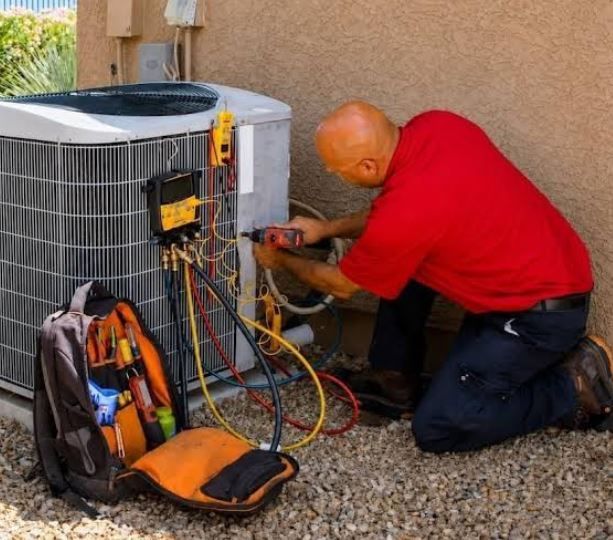
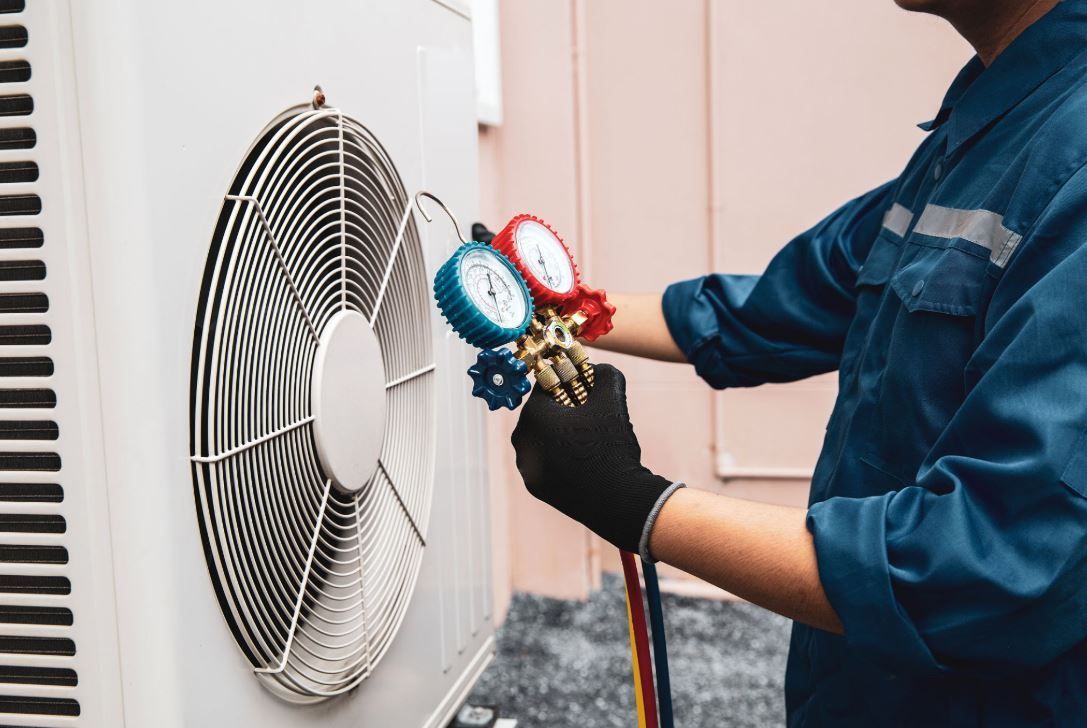
- Schedule Professional Seasonal Tune-Ups: Have a licensed HVAC technician inspect electrical connections, refrigerant levels, fan motors, and coil cleanliness twice a year—once before heating season and once before cooling season.
Upgrade Your Home Comfort with Professional Heat Pump Solutions
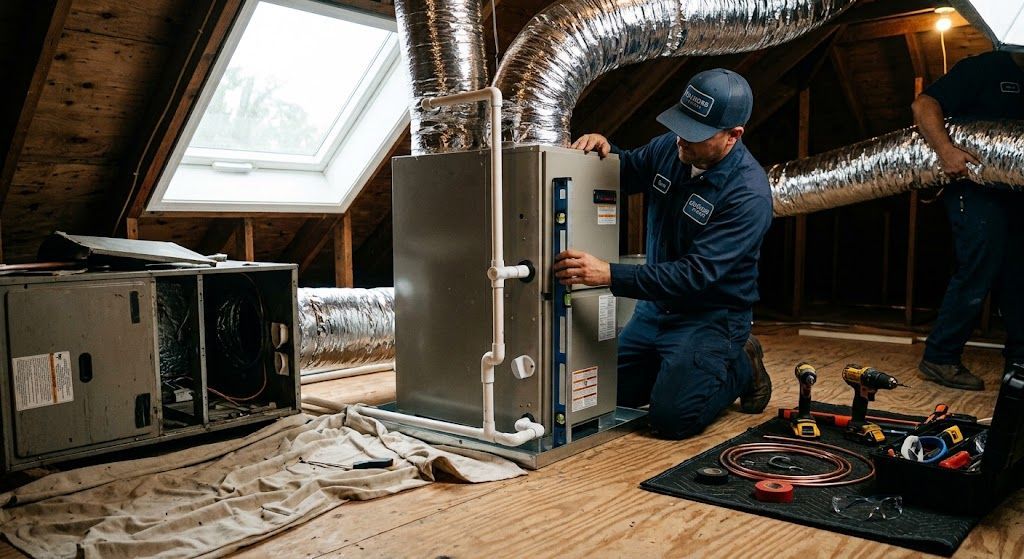
Investing in a high-efficiency heat pump is one of the smartest upgrades you can make for long-term home comfort, lower energy bills, and dependable year-round performance. Whether you are installing a brand-new system or upgrading an outdated setup, proper system sizing, duct inspection, and expert installation are essential to getting the full energy-saving benefits of this technology.
If you are ready to explore your options or schedule an expert evaluation, reach out to trusted local specialists who can help you select the ideal unit for your layout and budget. To learn more about expert installation, maintenance, and system upgrades, explore
professional heat pump services today and start enjoying seamless indoor climate control.