There is a unique kind of dread that sets in when you wake up in the dead of winter, notice your breath misting in the bedroom, and realize the low, reassuring hum of your heating system has been replaced by an icy, metallic silence.
If you have ever spent a freezing night huddled under three layers of blankets waiting for an emergency technician, you know exactly how stressful a failing heater can be. But here is the good news: replacing an old, limping heating system does not have to be a financial nightmare or a logistical headache. In fact, upgrading your home's heating system is one of the smartest investments you can make for your comfort, your health, and your wallet.
Whether your current system is making spooky noises from the basement, sending your energy bills into the stratosphere, or simply failing to keep up with the winter chill, this guide is your stress-free roadmap to navigating the world of home heating.
The Warning Signs: Is Your Heater Plotting Its Retirement?
Most heating systems do not just stop working without warning. They usually drop hints first. The problem is that these hints are easy to ignore until they turn into a full-blown emergency.
If your heating system is exhibiting any of the following symptoms, it is trying to tell you that its days are numbered:
- The "Geriatric" Age Bracket: Most traditional furnaces and heat pumps have a lifespan of 15 to 20 years. If yours is old enough to have its own driver's license, it is operating on borrowed time. Even if it seems to be running fine, its efficiency has likely plummeted compared to modern standards.
- Skyrocketing Energy Bills: Have you noticed your utility bills creeping up winter after winter, even though you haven't changed your thermostat habits? As systems age, they have to work twice as hard to produce the same amount of heat, guzzling fuel or electricity in the process.
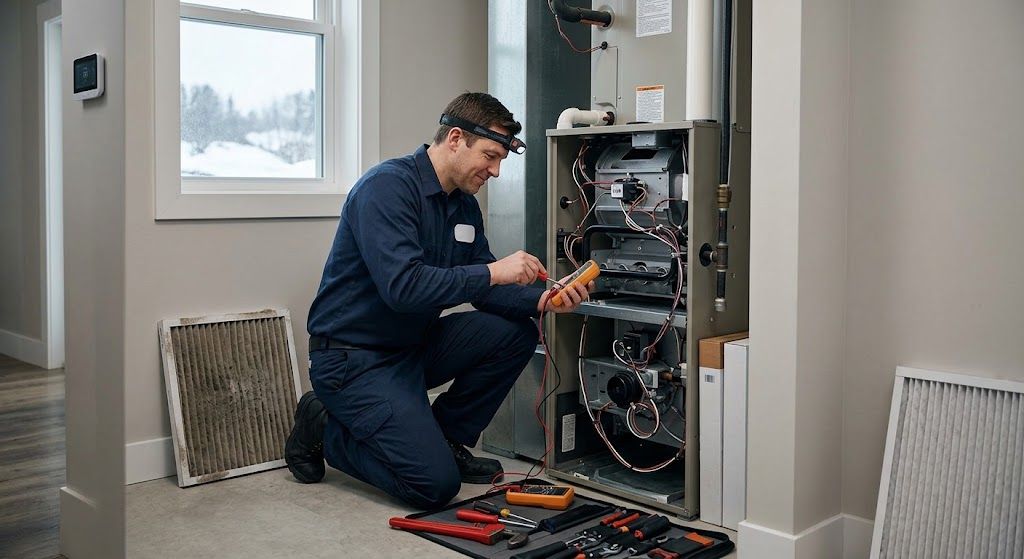
- The Haunted House Soundtrack: A healthy heating system should operate with a relatively quiet hum. If your unit is banging, clanging, squealing, or rattling, it is a sign of worn-out bearings, a slipping belt, or a failing motor.
- Yellow Pilot Lights: If you have a gas furnace, the burner flame should always be a crisp, steady blue. A yellow or flickering flame is a major red flag. It indicates incomplete combustion, which can lead to the production of carbon monoxide—a colorless, odorless, and highly toxic gas.
- Uneven Heating (The "Icebox" Room): If your living room feels like a tropical paradise but your bedroom feels like the Arctic tundra, your heating system is struggling to distribute air evenly through your ductwork.
The Golden Rule: Repair or Replace?
When your heating system acts up, the immediate instinct is often to patch it up with a quick repair. But at a certain point, throwing money at an old unit is like trying to fix a leaking bucket with duct tape.
How do you know when to stop repairing and finally make the leap to a replacement? HVAC industry professionals use a simple rule of thumb called
The 50% Rule.
Take the age of your system and multiply it by the estimated cost of the repair. If the result is greater than $5,000, or if the repair cost itself is more than 50% of the cost of a brand-new system, you should replace it.
Additionally, consider the frequency of your service calls. If you are on a first-name basis with your local technician and find yourself calling them out multiple times a year, those "minor" repairs are quickly adding up to the price of a far more reliable, worry-free system.
Choosing Your Weapon Against the Cold
If you have decided that a replacement is the smartest path forward, you are entering an exciting new world of climate control technology. Heating systems have evolved dramatically over the last decade. Today's options are quieter, cleaner, and incredibly efficient.
Here are the primary heating systems you will want to consider for your home:
1. Gas Furnaces
The classic choice for deep-winter climates. Gas furnaces use natural gas or propane to generate intense, rapid heat. Modern high-efficiency condensing gas furnaces boast Annual Fuel Utilization Efficiency (AFUE) ratings of up to 98.5%. This means nearly 99% of the fuel you pay for is directly converted into usable heat for your living space, with virtually zero waste.
2. Electric Heat Pumps
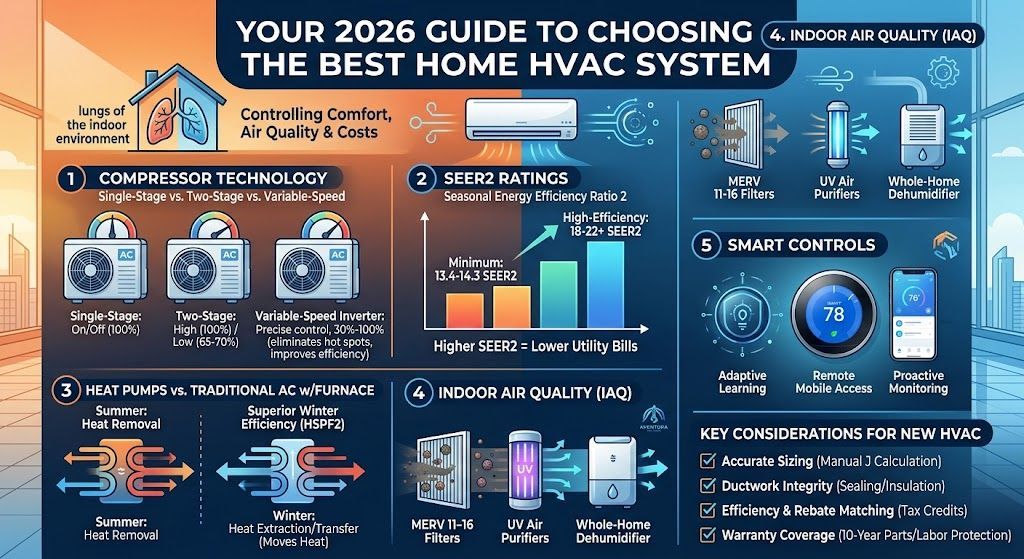
Heat pumps are the darlings of modern green energy. Unlike furnaces, which generate heat, heat pumps simply move heat from one place to another. Even in chilly winter air, there is thermal energy present. The heat pump extracts this heat and transfers it inside. In the summer, the process reverses to cool your home. Because they transfer heat rather than creating it, heat pumps can operate at up to 300% to 400% efficiency.
3. Ductless Mini-Splits
If your home lacks traditional ductwork, or if you have a recently added room that always feels drafty, ductless mini-splits are an incredible solution. They consist of a small outdoor compressor and one or more indoor air-handling units. This allows you to create customizable "zones" throughout your home, heating only the rooms you are actively using.
Why Professional Installation is a Non-Negotiable
It can be tempting to browse the internet for a discounted unit and hire a handyperson to install it on the cheap. This is one of the most dangerous and expensive mistakes a homeowner can make.
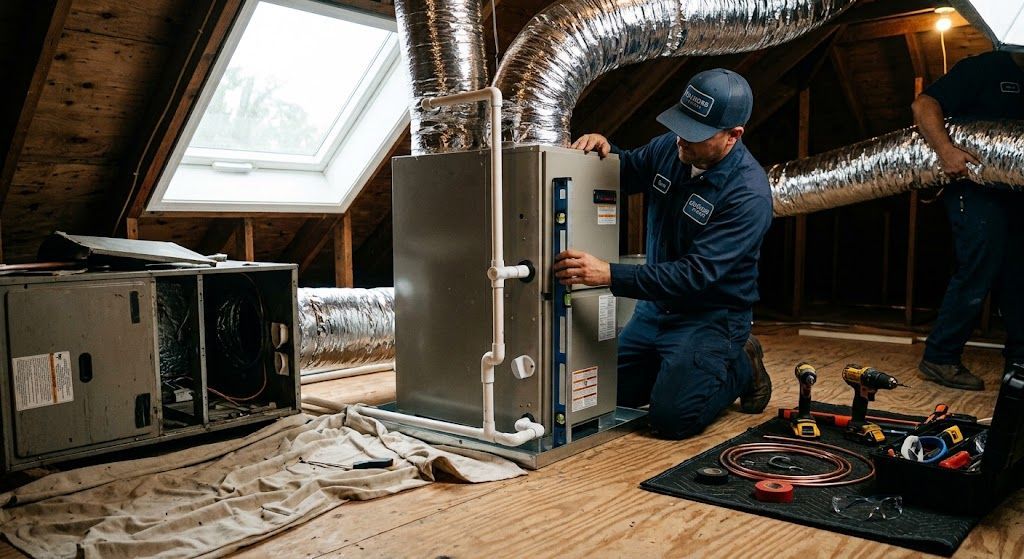
A heating system is not a plug-and-play appliance like a refrigerator. It is a highly complex network of electrical wiring, high-voltage components, gas lines, and exhaust ventilation systems.
Here is why a certified, professional installation is absolutely crucial:
- Precise System Sizing: A professional technician will perform a Manual J Load Calculation. This process factors in your home's square footage, insulation quality, window placement, and local climate to determine the exact heating capacity you need. If a system is too small, it will run constantly and wear itself out. If it is too large, it will "short-cycle" (turn on and off rapidly), wasting massive amounts of energy and leaving your home humid and unevenly heated.
- Safety and Ventilation: Gas-fired systems must vent combustion byproducts safely outside your home. A single loose connection or improper pipe slope can vent deadly carbon monoxide back into your living space. Professional installers ensure every connection is airtight and pressure-tested.
- Warranty Protection: Almost all major HVAC manufacturers explicitly state in their warranty terms that the warranty is void unless the system is installed by a licensed HVAC professional. Cutting corners on installation can instantly void a 10-year parts warranty.
The Financial Perks: Lower Bills and Green Incentives
While the upfront cost of a new heating system can feel daunting, the long-term return on investment is incredibly strong.
First, there are immediate monthly savings. Upgrading an old 70% AFUE furnace to a modern 96% AFUE model can slash your heating utility costs by nearly 30% overnight. Over the course of a few winters, those savings go a long way toward paying off the initial installation.
Second, the government and local utility companies want you to upgrade. Under current federal initiatives like the Energy Efficient Home Improvement Credit (Section 25C), homeowners can claim tax credits of up to $2,000 for qualifying high-efficiency heat pumps, and up to $600 for high-efficiency gas furnaces. When you combine these federal tax credits with local utility rebates and promotional financing, the actual out-of-pocket cost of an upgrade drops dramatically.
Take Control of Your Home Comfort Today
Don't wait for your aging system to leave you shivering in the middle of a winter storm. Taking a proactive approach to your home's heating allows you to shop around, compare your options, and schedule your installation at a time that is convenient for you—rather than rushing into a panicked emergency decision.
If you are ready to enjoy consistent, quiet warmth and lower energy bills, partnering with trusted local experts is the crucial first step. The experienced team at Cooling Advisors can help you assess your home’s unique needs, select the perfect energy-efficient system, and provide a flawless
heating installation and replacement that will keep your family safe and cozy for decades to come.
Reach out to a certified comfort specialist today to schedule an in-home evaluation and take the first step toward a warmer, more efficient home.