Living in South Florida means relying heavily on your air conditioning and heating systems to maintain a comfortable indoor climate year-round. From scorching summer heatwaves to humid shoulder seasons and occasional chilly winter nights, your home’s HVAC system works overtime to keep your living spaces comfortable, clean, and safe.
Selecting the right cooling and heating products is one of the most critical home improvement decisions you will make. Modern HVAC systems are no longer simple mechanical units that just blow cold air; today’s equipment incorporates advanced smart controls, variable-speed technology, eco-friendly refrigerants, and high-efficiency filtration systems.
This comprehensive guide breaks down everything you need to know about modern HVAC products—from high-efficiency central air conditioners and versatile heat pumps to indoor air quality solutions and smart thermostats.
Understanding Modern High-Efficiency Air Conditioners
When it comes to staying cool during blistering summer months, central air conditioning systems are the backbone of home comfort. However, not all air conditioners are created equal. Modern cooling systems have evolved significantly over the past decade, driven by technological innovations and stricter seasonal energy efficiency ratio (SEER2) standards.
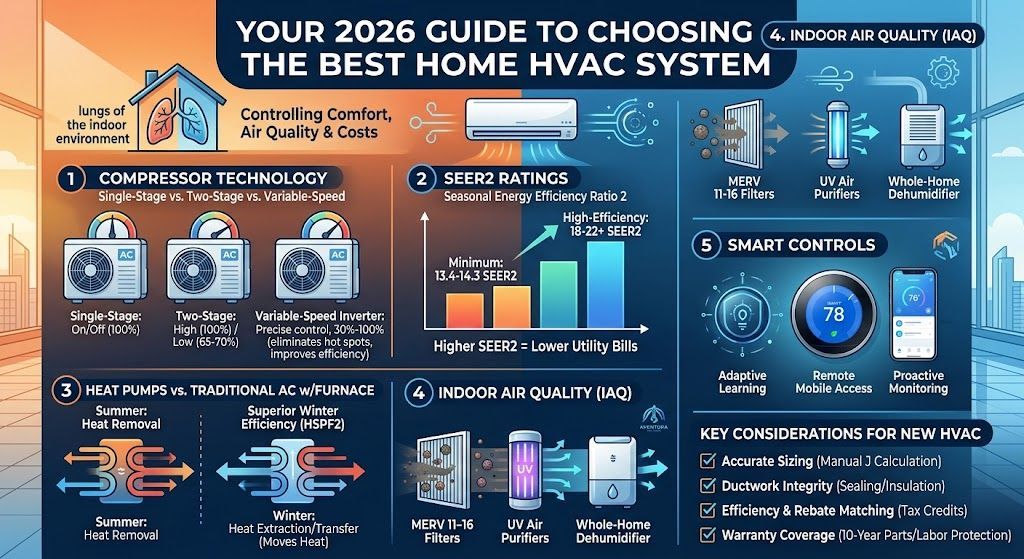
Single-Stage vs. Two-Stage vs. Variable-Speed Compressors
To choose the right HVAC system, it helps to understand how the compressor operates:
- Single-Stage Systems: Traditional single-stage units operate at 100% capacity whenever they turn on. While reliable, they run at full power even on mild days, leading to higher electricity bills and temperature fluctuations.
- Two-Stage Systems: These units feature a compressor that runs on two settings: high (100% capacity) for hot days and low (around 65% to 70% capacity) for milder days. This dual operation balances energy savings with enhanced indoor comfort.
- Variable-Speed Inverter Systems: The pinnacle of modern cooling technology, variable-speed systems continuously adjust their operation in microscopic increments. By running precisely at the speed required to match your home's cooling demand, variable-speed units deliver consistent temperatures, superior humidity control, and energy efficiency.
SEER2 Ratings and Energy Savings
The Department of Energy measures cooling efficiency using the SEER2 (Seasonal Energy Efficiency Ratio 2) metric. Standard units typically range from 13.4 to 15 SEER2, while high-efficiency premium models can reach 20+ SEER2. Upgrading from an older 10 SEER system to a modern 16+ SEER2 unit can reduce your cooling energy usage by up to 30% to 50%, resulting in lower utility expenses every month.
Heat Pumps: Year-Round Comfort in One System
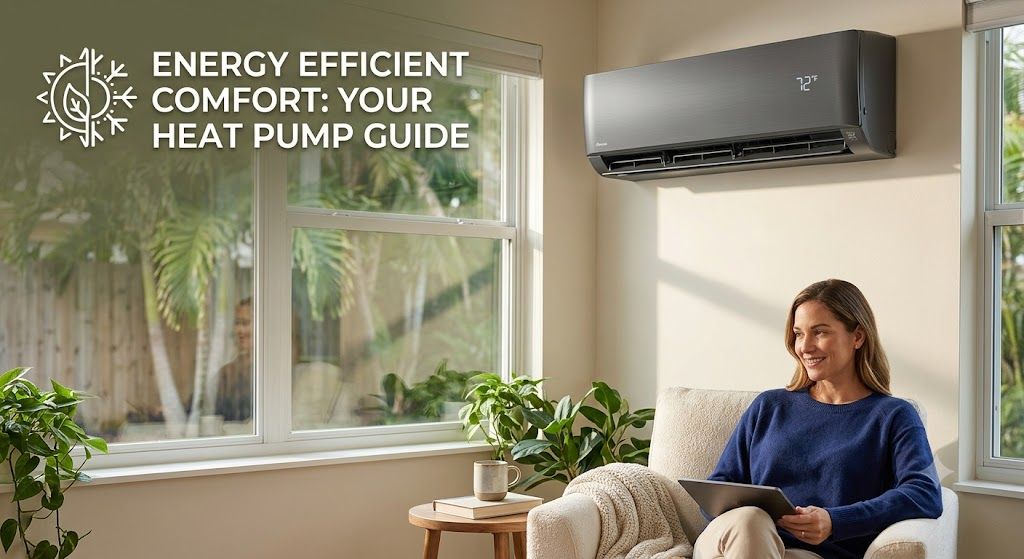
For homeowners seeking an energy-efficient, all-in-one heating and cooling solution, heat pumps are an ideal choice. Despite their name, heat pumps deliver both powerful cooling during summer and reliable heating when temperature drops occur.
How Heat Pumps Work
Instead of generating heat through electrical resistance or fuel combustion, a heat pump extracts heat from one location and moves it to another:
- In Cooling Mode: The heat pump acts like a standard air conditioner, transferring heat from inside your home to the outdoors.
- In Heating Mode: A reversing valve alters the refrigerant flow, extracting thermal energy from the outside air and bringing it indoors to warm your living space.
Because heat pumps transfer heat rather than generate it, they can operate at up to 300% to 400% efficiency during mild weather. In warmer climates like South Florida, a heat pump serves as an ideal replacement for traditional split-system air conditioners paired with electric furnaces.
Indoor Air Quality (IAQ) and Air Cleaners
While keeping temperatures comfortable is essential, air quality is equally critical for a healthy living environment. Modern energy-efficient homes are sealed tightly to prevent conditioned air from escaping, but this tight seal can also trap indoor air pollutants such as dust, pollen, pet dander, mold spores, and volatile organic compounds (VOCs).
Integrating dedicated indoor air quality products into your HVAC system helps ensure the air you breathe is clean and healthy.
Key IAQ Solutions for Your Home
- High-MERV Filtration: Standard 1-inch fiberglass filters protect your air conditioner's internal components, but higher-rated MERV (Minimum Efficiency Reporting Value) filters capture microscopic particulates that affect respiratory health. Media filters rated MERV 11 to 16 capture dust, pollen, mold, and pet allergens without restricting airflow.
- UV Air Purifiers: Whole-home ultraviolet (UV-C) lights installed inside the evaporator coil or air handler target biological contaminants. UV light neutralizes mold spores, bacteria, and viruses before they circulate through your ductwork.
- Whole-Home Dehumidifiers: High humidity makes indoor spaces feel warmer than they actually are, forcing your AC to run longer. Whole-home dehumidifiers work alongside your central cooling system to pull excess moisture from the air, maintaining indoor relative humidity between 40% and 50% for optimal comfort and mold prevention.
Smart Thermostats and Home Automation Controls
Even the most advanced heating and cooling system cannot perform at its best without an intelligent control center. Smart thermostats transform how you manage home comfort by providing precise control over temperature, scheduling, and humidity levels.
Benefits of Upgrading to a Smart Thermostat
- Remote Accessibility: Adjust your home’s climate settings from anywhere using your smartphone, tablet, or smart watch.
- Adaptive Scheduling: Many smart thermostats analyze your daily habits, adjusting temperatures automatically when you leave for work and re-cooling the house before you arrive home.
- Energy Usage Reports: Track real-time energy consumption data and receive tailored tips on how to lower your utility bills.
- Maintenance Alerts: Receive instant notifications when it is time to change air filters or schedule professional HVAC maintenance.
Combining a high-efficiency variable-speed AC or heat pump with a smart home thermostat creates an automated system that prioritizes energy savings without compromising comfort.
Key Factors to Consider When Selecting HVAC Equipment
Investing in a new heating or cooling system requires careful planning. Here are essential factors to consider before choosing your next unit:
Proper Equipment Sizing (Manual J Calculation)
Selecting an air conditioner is not as simple as picking the largest model available. An oversized AC unit cools the home too quickly without running long enough to pull humidity from the air, leaving indoor spaces feeling clammy. Conversely, an undersized unit struggles on hot days, running continuously and accelerating wear on internal components. Professional HVAC contractors perform a detailed
Manual J load calculation to evaluate your home's square footage, insulation levels, window exposure, and ceiling height before recommending a system size.
Ductwork Integrity and Airflow
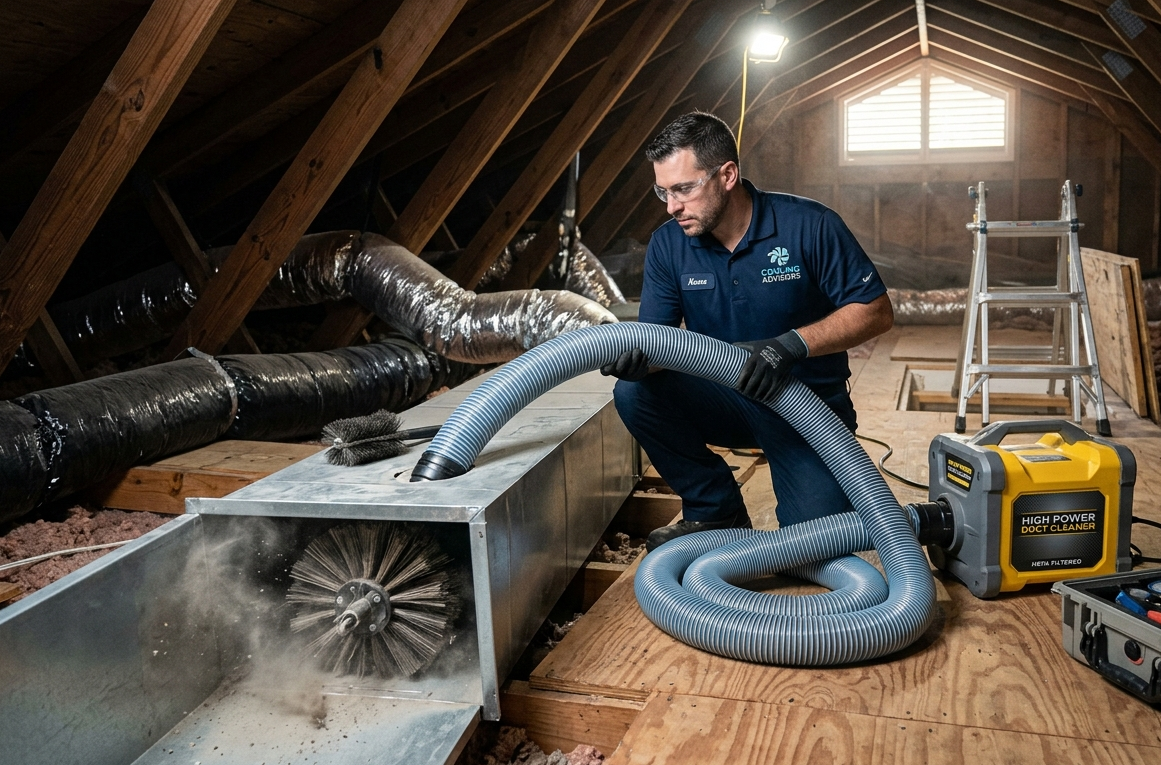
Even the highest-rated HVAC system will underperform if connected to damaged, leaking, or poorly designed ductwork. Leaky ducts can waste up to 30% of conditioned air into attics or crawlspaces, driving up energy costs and pulling dust directly into your living spaces. Upgrading your system should always include a thorough inspection and cleaning of your air ducts.
Warranties and Maintenance Plans
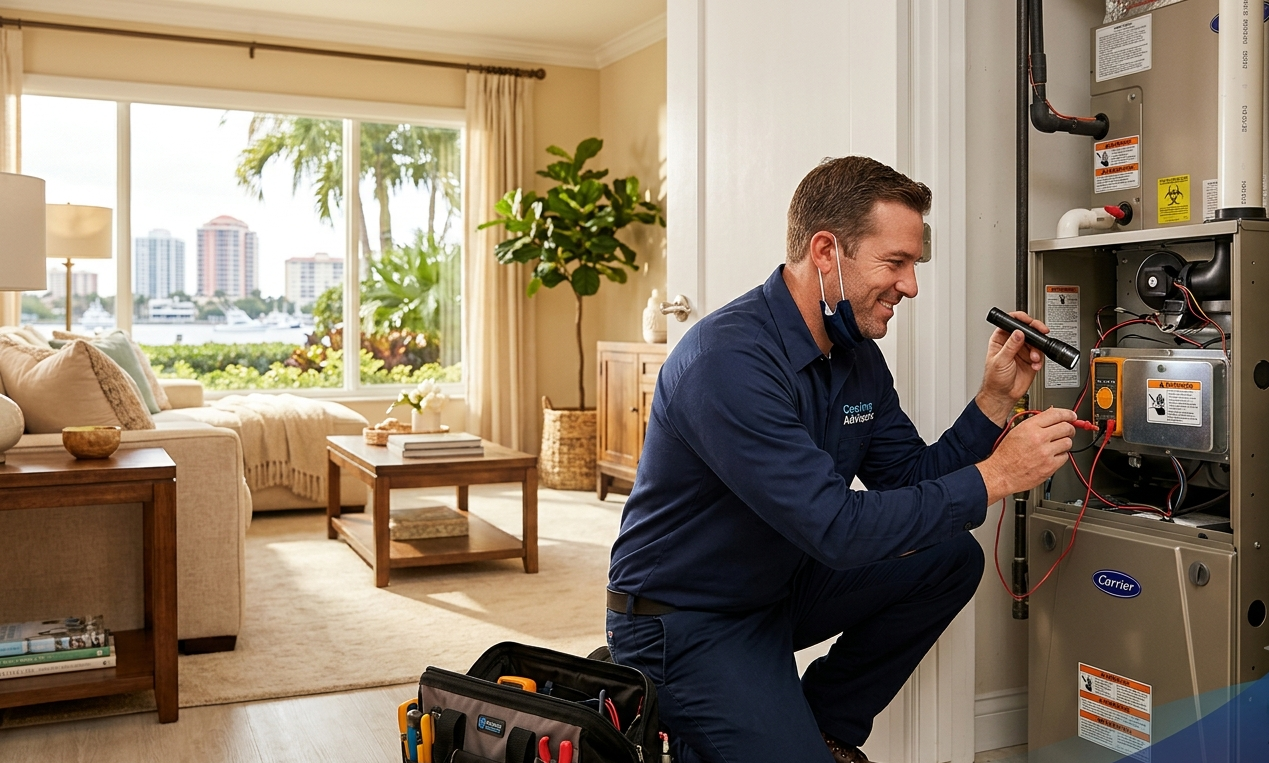
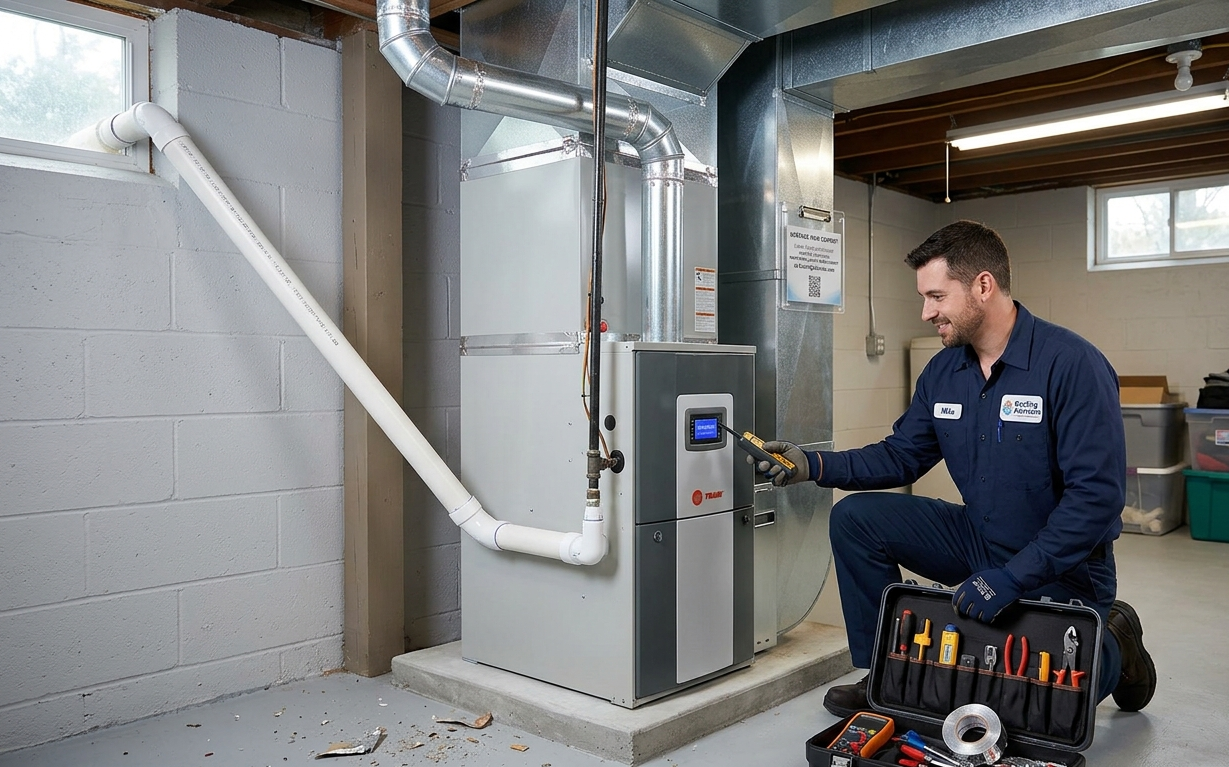
A standard manufacturer warranty typically covers major system components like compressors and coils for 5 to 10 years. However, regular professional maintenance is required to keep those warranties valid. Joining a preventive care program ensures your system receives annual tune-ups, helping maintain efficiency, extend equipment lifespan, and prevent sudden breakdowns.
Finding the Right HVAC Products for Your Home
Upgrading your heating and cooling equipment is an investment in long-term comfort, healthier indoor air quality, and lower utility costs. Whether you are looking for top-tier central air conditioners, energy-saving heat pumps, or advanced air filtration systems, choosing trusted equipment installed by experienced professionals ensures optimal performance year after year.
To explore a wide array of high-performing systems, smart thermostats, and indoor air solutions tailored to your household, check out the full line of
cooling advisor products designed to optimize performance and maximize efficiency.
Frequently Asked Questions About Cooling & Heating Systems
How long does a central air conditioning system typically last?
In warmer regions like Florida, a well-maintained central air conditioner or heat pump generally lasts between 10 and 15 years. Regular annual maintenance, timely filter changes, and prompt repairs help maximize system longevity.
How often should I replace my HVAC air filters?
Standard 1-inch pleated filters should be replaced every 30 to 60 days. If you have pets or suffer from allergies, changing them every 30 days is recommended. High-efficiency 4-inch to 5-inch media filters typically last between 6 and 12 months before requiring replacement.
What is the difference between a heat pump and a traditional AC unit?
A traditional air conditioner provides cooling only and relies on a separate furnace or electric heating strip for warmth. A heat pump, on the other hand, can reverse its operation to provide both cooling in summer and efficient heating during colder weather, making it a flexible 2-in-1 system.