Selecting a new heating and cooling system is one of the most critical financial and practical decisions you will make as a homeowner. Your heating, ventilation, and air conditioning (HVAC) unit does far more than just blow cold air on a humid July afternoon or warm up a chilly evening. It acts as the lungs and climate regulator of your indoor environment, controlling air quality, humidity levels, monthly energy costs, and everyday comfort.
With rapid advancements in smart HVAC technology, strict seasonal efficiency standards, and shifting climate control options, navigating the market can feel overwhelming. This guide breaks down the essential factors to consider when choosing modern heating and cooling products, helping you make an informed decision for long-term comfort and energy savings.
1. Understanding Compressor Technology: Single-Stage vs. Two-Stage vs. Variable-Speed
At the heart of any air conditioner or heat pump lies the compressor—the engine responsible for circulating refrigerant and cooling your living spaces. Modern cooling products generally fall into three compressor categories:
Single-Stage Compressors
Traditional single-stage systems operate on a binary principle: they are either running at 100% full speed or completely switched off. While these entry-level units offer lower initial equipment costs, they tend to create noticeable temperature swings. Because they always blast cold air at peak output, they draw maximum electrical power during every cycle, leading to higher electricity usage over time.
Two-Stage Compressors
Two-stage systems introduce a middle gear, operating at two distinct output capacities: high (100%) for hot summer afternoons and low (typically 65% to 70%) for moderate days. Running at a lower capacity for longer stretches allows these systems to distribute air more evenly, improve humidity removal, and reduce overall power consumption.
Variable-Speed Inverter Systems
Variable-speed technology represents the highest level of modern cooling performance. Instead of stepping up or down between set limits, inverter-driven compressors adjust their speed in small increments. They run continuously at the exact power level needed to match your home’s immediate thermal load. This continuous operation eliminates hot spots, delivers exceptionally precise temperature control, manages high humidity efficiently, and significantly lowers monthly energy expenditures.
2. Navigating SEER2 Ratings and Energy Efficiency
Energy efficiency is measured using the Seasonal Energy Efficiency Ratio 2 (SEER2) standard. SEER2 reflects a system’s cooling efficiency over an entire season under realistic external static pressure conditions.
- Minimum Efficiency Standards: Modern residential central air conditioners generally require a minimum rating of 13.4 to 14.3 SEER2, depending on regional regulations.
- High-Efficiency Units: Top-tier residential variable-speed equipment can achieve ratings of 18 to 22+ SEER2.
While high-SEER2 equipment requires a larger upfront investment, the reduction in monthly utility bills often pays off the difference over the system's operational lifecycle.
3. Heat Pumps vs. Traditional Split AC Systems
When shopping for cooling and heating equipment, homeowners often debate between traditional central air conditioners paired with furnaces versus modern electric heat pumps.
┌─────────────────────────────────────────────────────────────────────────┐
│ HOW HEAT PUMPS WORK │
│ │
│ SUMMER MODE (Cooling) WINTER MODE (Heating) │
│ ┌───────────────────────┐ ┌───────────────────────┐ │
│ │ Absorbs indoor heat │ │ Absorbs ambient heat │ │
│ │ and extracts humidity │ │ from outside air │ │
│ └───────────┬───────────┘ └───────────┬───────────┘ │
│ │ │ │
│ ▼ ▼ │
│ ┌───────────────────────┐ ┌───────────────────────┐ │
│ │ Transfers heat out │ │ Compresses & transfers│ │
│ │ into outdoor air │ │ heat inside home │ │
│ └───────────────────────┘ └───────────────────────┘ │
└─────────────────────────────────────────────────────────────────────────┘
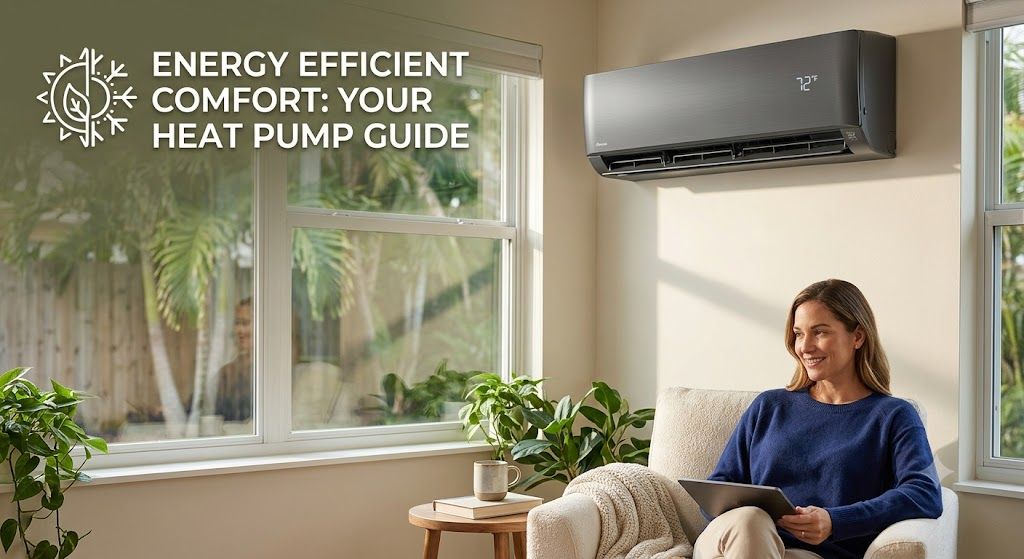
Heat pumps utilize a reversing valve that changes the flow of refrigerant. During hot months, a heat pump operates exactly like an air conditioner, drawing heat out of your home and venting it outdoors. In cooler months, it reverses process—extracting ambient thermal energy from the outside air and transferring it inside. Because heat pumps move heat rather than generating it through fossil fuel combustion or resistance coils, they deliver exceptional heating efficiency.
4. Indoor Air Quality Solutions (IAQ)
Cooling air is only half the battle; maintaining clean, healthy indoor air is equally important. Modern HVAC systems can integrate advanced indoor air quality products directly into your ductwork:
- Media Air Cleaners (High-MERV Filtration): Standard 1-inch fiberglass filters only shield internal components from large dust debris. Upgrading to deep-pleated media filters rated MERV 11 to 16 traps fine particulate matter, pollen, pet dander, and airborne mold spores without constricting airflow.
- Whole-Home UV Air Purifiers: Ultraviolet (UV-C) lamps installed near the evaporator coil neutralize biological contaminants such as viruses, bacteria, and mold spores before they circulate into your living areas.
- Whole-Home Dehumidifiers: High indoor humidity makes indoor temperatures feel hotter than they are, forcing your cooling unit to work harder. A dedicated dehumidifier removes excess moisture independently, keeping humidity at an ideal 45–50% range.
5. Smart Thermostats and System Controls
Even a high-efficiency AC unit requires an intelligent controller to maximize performance. Today's smart thermostats act as central command units for your home’s climate:
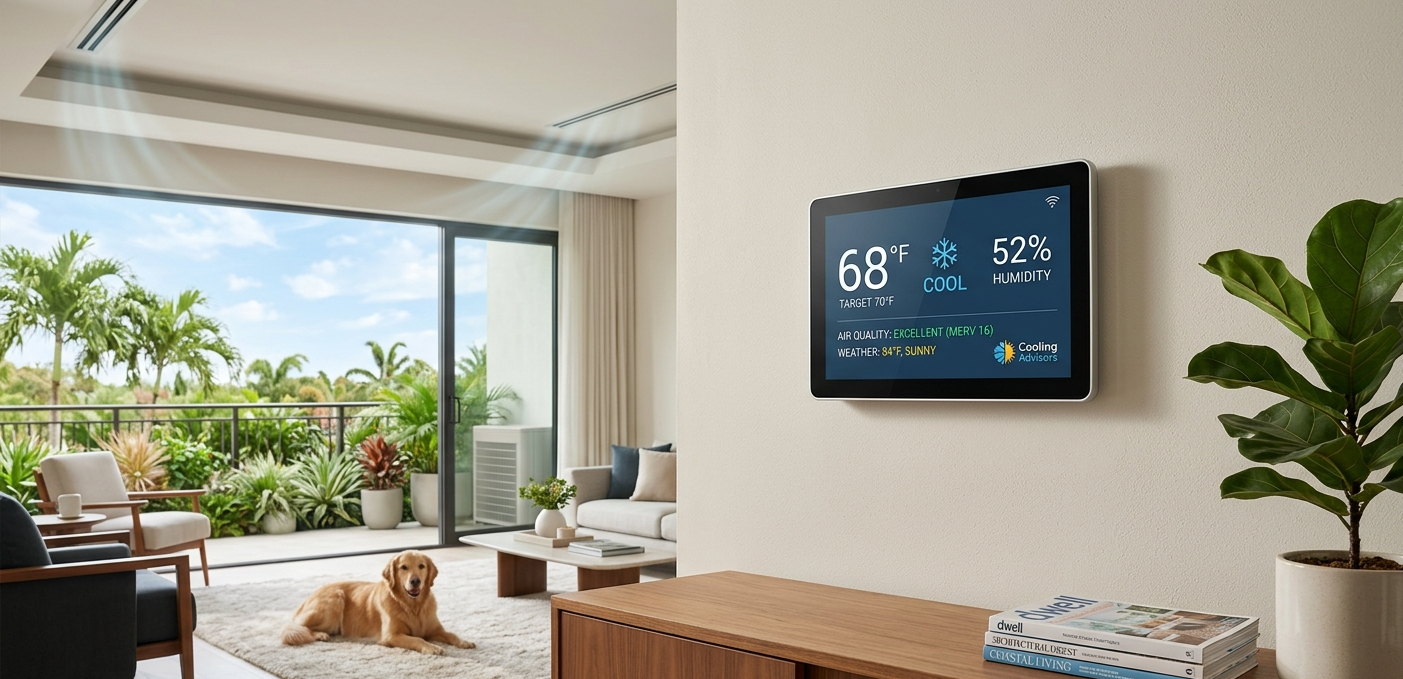
- Adaptive Learning & Scheduling: Smart thermostats track lifestyle patterns and adjust temperatures automatically when you leave or return home.
- Remote Mobile Access: Control humidity and temperature levels from anywhere using a smartphone app.
- Proactive System Monitoring: Receive instant alerts for filter changes, abnormal system behavior, or required routine maintenance before minor glitches turn into system failures.
Key Considerations for Choosing Your New HVAC System
To ensure your investment delivers optimal long-term comfort and efficiency, evaluate these four critical factors before purchasing:
┌─────────────────────────────────────────────────────────────────────────┐
│ EQUIPMENT EVALUATION CHECKLIST │
├─────────────────────────────────────────────────────────────────────────┤
│ [ ] ACCURATE SYSTEM SIZING (Manual J Load Calculation) │
│ Ensures system matches exact square footage and insulation levels. │
│ │
│ [ ] DUCTWORK INTEGRITY CHECK │
│ Seals leaks and fixes restrictions to prevent lost airflow. │
│ │
│ [ ] EFFICIENCY & REBATE MATCHING │
│ Verifies SEER2 rating qualifies for local tax credits/rebates. │
│ │
│ [ ] WARRANTY COVERAGE VERIFICATION │
│ Confirms 10-year parts coverage and professional labor protection. │
└─────────────────────────────────────────────────────────────────────────┘
- Accurate Sizing (Manual J Load Calculation): Never buy an HVAC system based on square footage alone or by simply matching the tonnage of your old unit. An oversized unit will short-cycle, failing to remove humidity, while an undersized unit will run constantly without reaching your set temperature. Professional contractors perform a detailed Manual J calculation that factors in insulation levels, window placement, ceiling height, and local climate data.
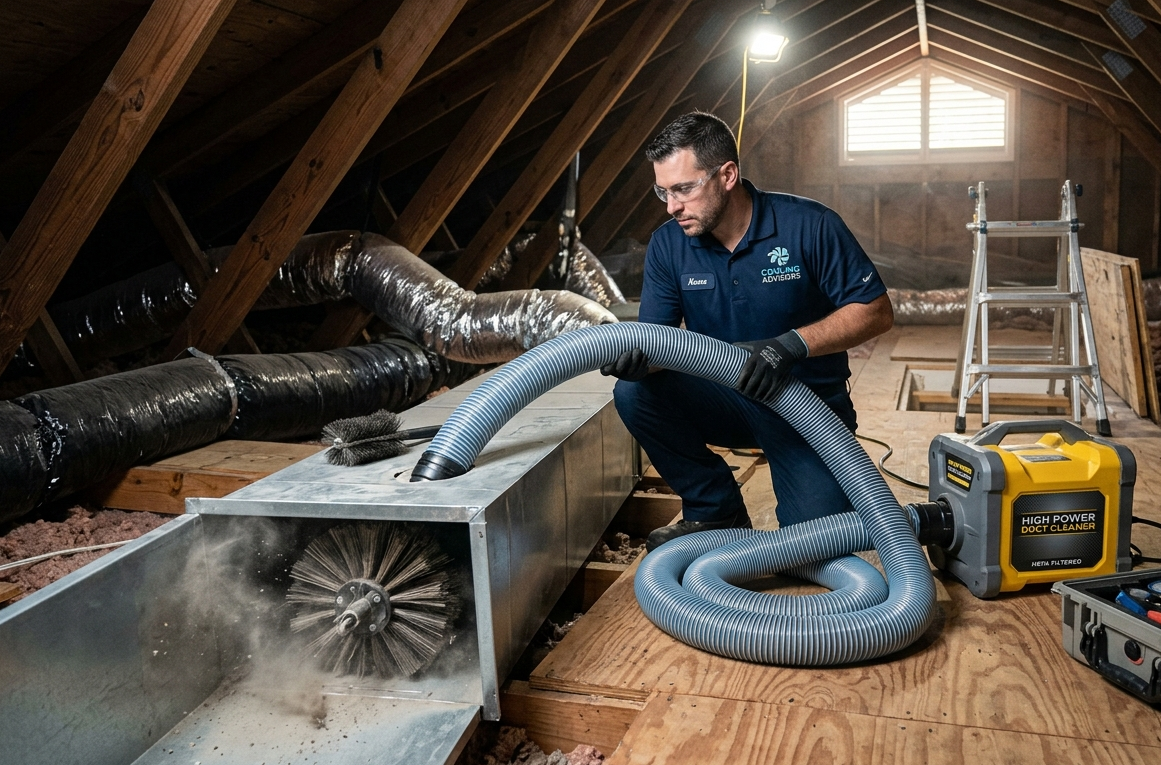
- Ductwork Inspection: Your new equipment is only as effective as the distribution system carrying the air. Leaky, undersized, or damaged ducts can leak 20% to 30% of conditioned air into unconditioned spaces like attics or crawlspaces. Have ductwork inspected, sealed, or re-engineered before installing high-efficiency equipment.
- Rebates and Financial Incentives: Federal tax credits, regional utility incentives, and local rebates frequently offset the cost of high-efficiency variable-speed units and heat pumps. Verify which SEER2 and HSPF2 ratings qualify for incentive programs before making a final selection.
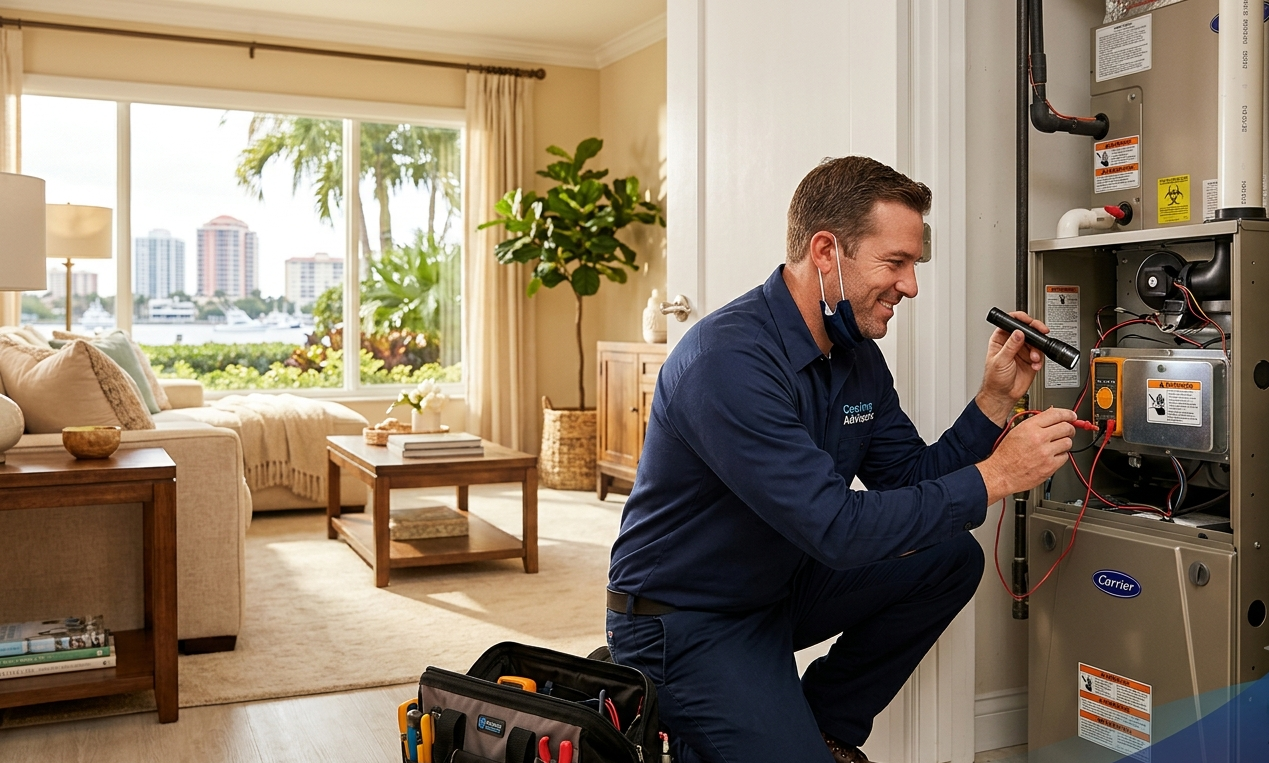
- Warranty and Service Protection: Always review manufacturer warranties (typically 10 years on parts and compressor upon registration) along with labor warranty options. Routine preventive maintenance retains these warranty protections and ensures your equipment operates reliably throughout its expected lifespan.
Upgrade Your Comfort with Advanced Cooling Solutions
A modern HVAC replacement is a multi-year investment in your home’s energy usage, air purity, and day-to-day living conditions. By choosing equipment with the right compressor technology, pairing it with smart system controls, and prioritizing indoor air quality, you create an indoor climate that remains comfortable regardless of outdoor weather.
When you are ready to evaluate top-performing central air conditioners, energy-saving heat pumps, or indoor air filtration systems, browse the full lineup of high-efficiency
cooling advisor products designed to keep your home running smoothly year-round. Partnering with certified, experienced HVAC professionals ensures proper system sizing, seamless installation, and long-lasting efficiency for decades to come.
Frequently Asked Questions
How long does a modern central air conditioning system last?
With annual preventive maintenance and regular filter changes, a residential central air conditioner or heat pump typically lasts 12 to 15 years. In regions with heavy year-round usage or coastal air exposure, lifetime expectations average around 10 to 12 years.
How often should I replace my HVAC air filters?
Standard 1-inch disposable filters should be inspected monthly and replaced every 30 to 60 days. High-efficiency 4-inch to 5-inch media filters capture more debris and usually require replacement only once or twice a year, depending on pet ownership and indoor dust levels.
Is a variable-speed air conditioner worth the higher upfront cost?
Yes, especially in warm or humid climates. Variable-speed systems run at lower, highly efficient speeds for long periods, using significantly less electricity than single-stage models that cycle on and off at full blast. The resulting utility savings, superior humidity control, and quieter operation make variable-speed technology a worthwhile long-term investment.