A sudden breakdown of your heating system can make your living environment uncomfortable, stressful, and even hazardous during cold weather snaps. When freezing or unusually chilly temperatures arrive, a properly functioning central system becomes vital for safety and peace of mind. Knowing how to respond quickly, perform basic troubleshooting, and call for reliable heater repair can save you significant time and money while keeping your family warm and secure.
This comprehensive guide walks you through every action step necessary when your heating system stops performing as it should. From checking minor electrical issues to selecting trusted local technicians, these actionable tips will help you manage any heating surprise efficiently.
1. Safety First: Turn Off the Power and Fuel Supply
Before touching any component of a malfunctioning heating unit, your primary concern must always be safety. Heating appliances rely on high-voltage electrical current, gas lines, or heating oil, all of which pose potential hazards when handled incorrectly.
If you smell gas, notice a strong burning odor, or hear loud metallic banging, shut down the system immediately. Locate your main circuit breaker panel and switch off the breaker controlling the central heating unit. If your system operates on gas, turn off the shutoff valve near the furnace or heat pump. Taking these swift precautions prevents electrical hazards or gas leaks while you evaluate the next appropriate step.
2. Check the Thermostat Settings and Batteries
It is surprisingly common for heating issues to stem from a simple thermostat setting error rather than a complete mechanical failure. Before panicking about an expensive fix, take a moment to closely inspect your thermostat interface.
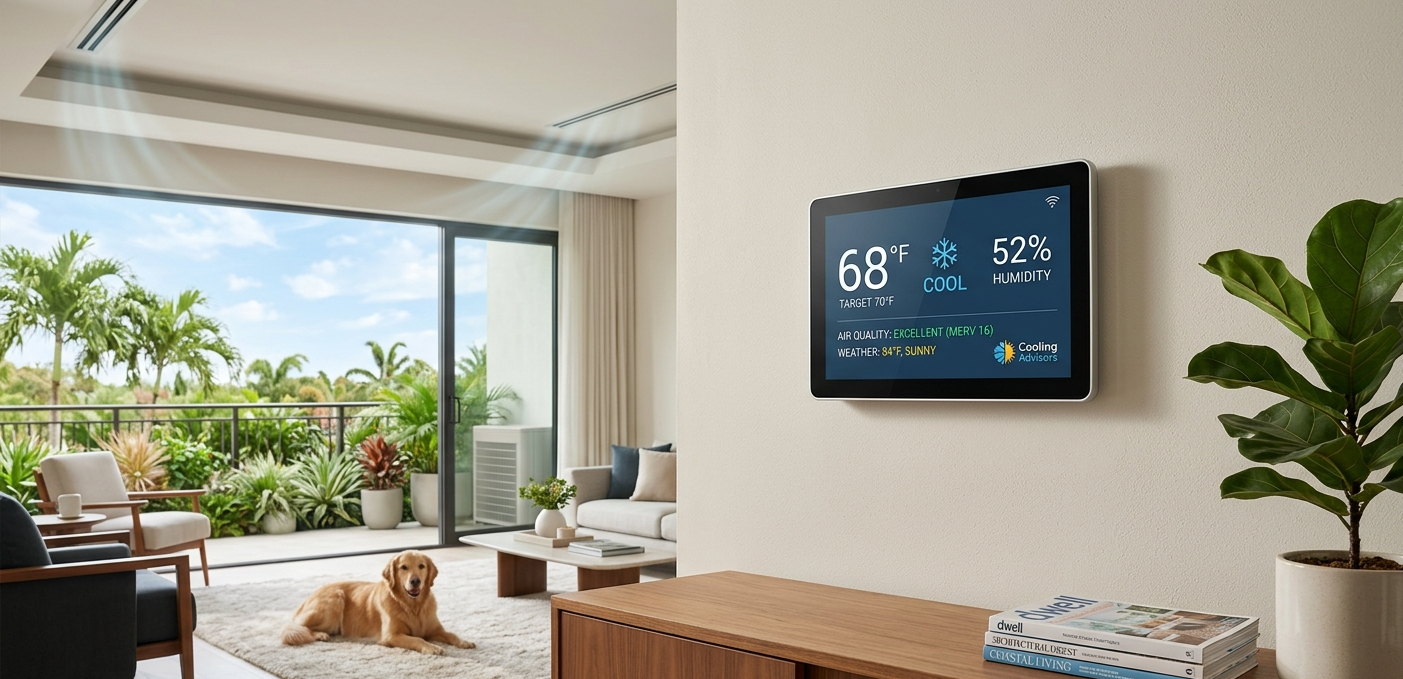
Ensure that the unit is switched to "Heat" mode rather than "Cool" or "Off." Verify that the set temperature is at least three to five degrees higher than the current room reading to force the system to call for heat. If your digital thermostat screen is blank, dim, or unresponsive, replace the internal batteries right away. Low battery power often disrupts communication between the wall thermostat and the central heating unit.
3. Verify the Main Circuit Breakers and Safety Switches
Heating systems demand substantial electrical power, especially when starting up. An unexpected power surge or prolonged run time can trip your home’s main breaker switches without any outward sign of damage.
Locate your primary electrical service panel and check for any switch sitting in the neutral middle position or flipped entirely to "Off." Firmly reset any tripped breaker by toggling it all the way to "Off" before switching it back to "On." In addition, check the service toggle switch located directly on or near the indoor air handler or furnace. This safety switch looks like a standard wall light switch and is occasionally flipped off accidentally during storage or routine cleaning around the unit.
4. Inspect and Replace Dirty HVAC Air Filters
A severely clogged or filthy air filter is one of the leading causes of sudden heating equipment failure. When dirt, pet dander, and household dust accumulate on the filter screen, airflow becomes drastically restricted.
Without adequate airflow, the furnace heat exchanger rapidly overheats, triggering internal safety limit switches that shut the entire system down to prevent fire or heat damage. Pull out your main air filter and hold it up to a light source. If light cannot pass through the material, replace it immediately with a fresh, correctly sized filter. Restoring proper airflow often allows the system safety switches to reset automatically, returning warm air to your living spaces.
5. Clear Obstructions Around Indoor Vents and Outdoor Units
For forced-air systems and heat pumps, air distribution relies on open pathways throughout your entire residence and exterior grounds. Obstructed vents or blocked outdoor coils force the motor to work harder, leading to overheating or frozen coils.
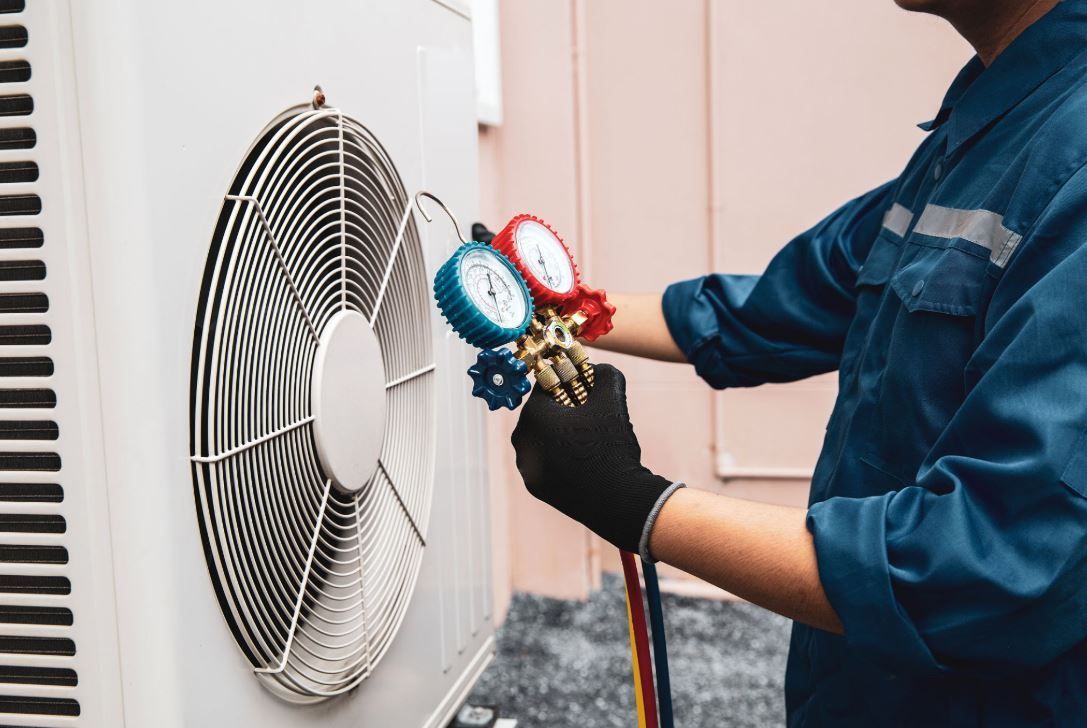
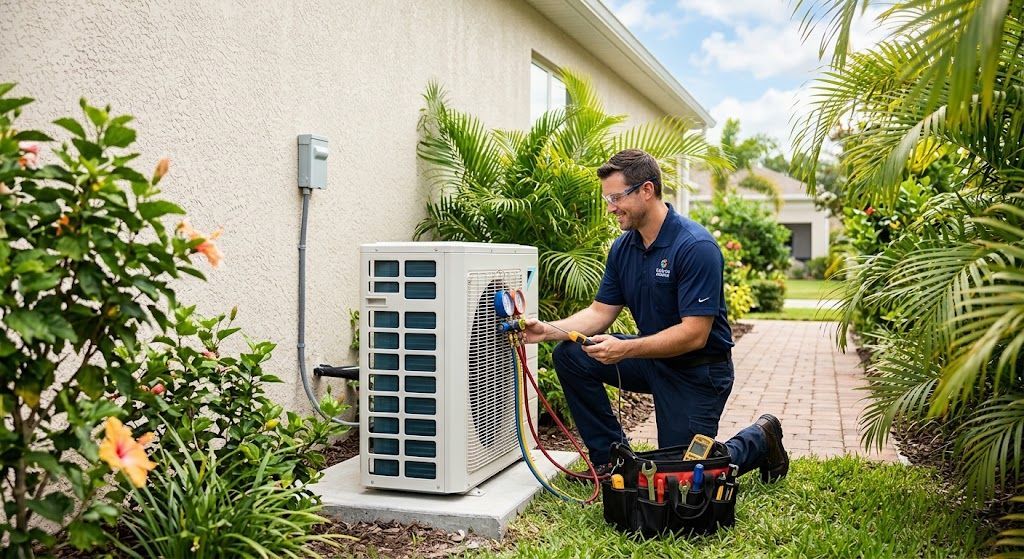
Walk through every room in your home to ensure supply grills and return air vents are fully open and unblocked by heavy drapes, area rugs, or bulky furniture. Next, head outside to inspect the outdoor condenser or heat pump unit. Remove any accumulated dry leaves, fallen branches, dirt piles, or debris crowding the surrounding perimeter. Maintaining clear clearance around all components keeps air circulating smoothly and protects the mechanical components from premature wear.
6. Examine the Pilot Light or Ignition Source
If your property utilizes a gas or oil furnace, heat generation depends entirely on a reliable ignition mechanism. Older furnaces rely on a continuous standing pilot light, whereas modern energy-efficient models utilize electronic hot surface igniters or direct spark systems.
If you have a standing pilot light, check whether the small flame is lit. If the flame has gone out, follow the manufacturer’s exact instructions printed on the panel door to reignite it safely. For modern electronic systems, look through the sight glass on the furnace panel to see if an indicator LED light is flashing a specific error code. If the ignition system repeatedly fails to light or flickers erratically, avoid forcing the equipment and call a professional technician.
7. Recognize When to Call for Immediate Heater Repair
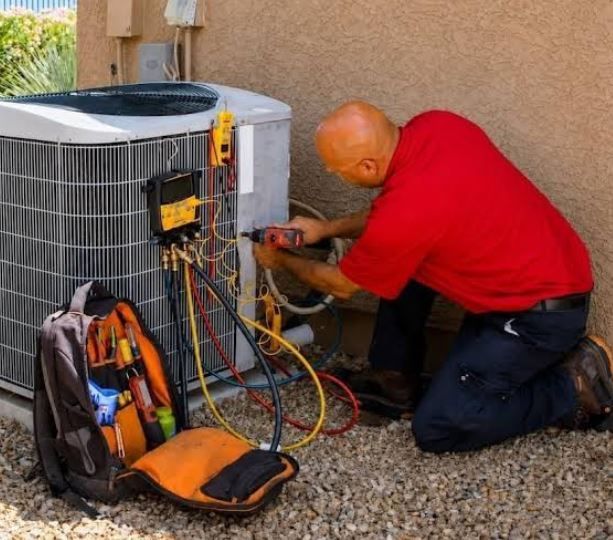
While basic home checks solve minor hiccups, complex mechanical, electrical, or combustion issues demand expert technical intervention. Attempting to fix intricate gas valves, electrical wiring, or cracked heat exchangers without proper licensing can compromise your home's safety and void manufacturer warranties.
Look for key symptoms that indicate an urgent need for professional service:
- Strange noises: Loud squealing, metal-on-metal grinding, or heavy banging when the motor engages.
- Rapid short cycling: The system turns on and off every few minutes without reaching the target indoor temperature.
- Cold air output: The blower fan runs continuously, but cold or lukewarm air comes out of the vents.
- Unexplained bill spikes: Your monthly energy costs double or triple despite normal usage habits.
When these symptoms manifest, prompt professional diagnosis stops small component wear from turning into complete, costly system replacements.
8. Maintain a Proactive Preventative Maintenance Routine
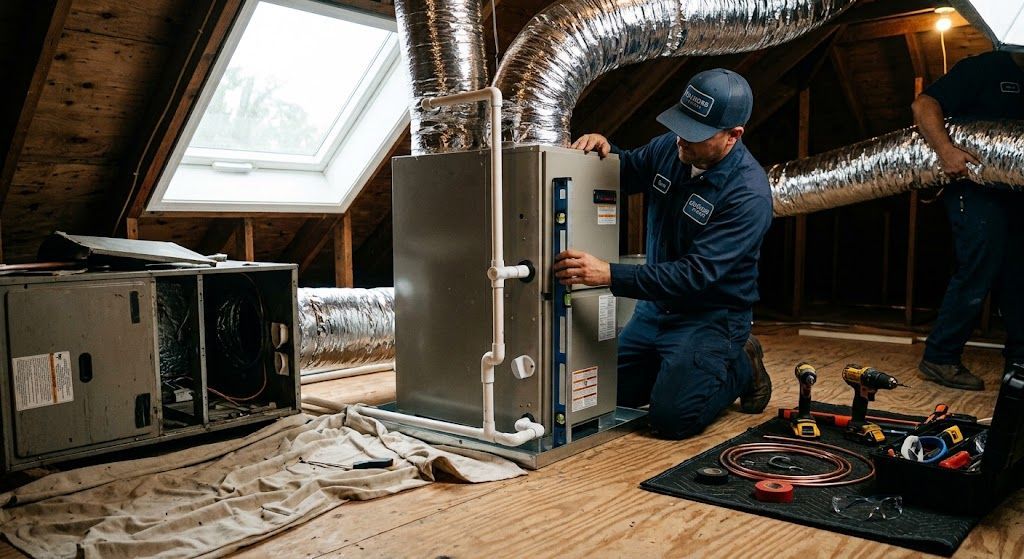
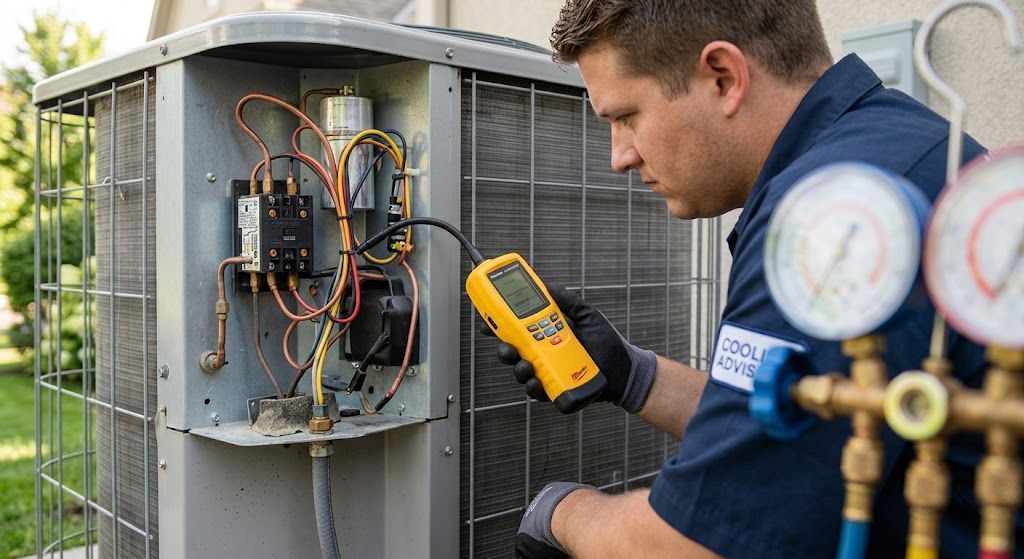
The most efficient way to avoid sudden winter breakdowns is through consistent, professionally managed maintenance. Scheduling an annual pre-season tune-up keeps your equipment operating at peak efficiency while catching worn belts, failing capacitors, or minor electrical shorts long before cold weather strikes.
A comprehensive professional inspection covers essential tasks such as:
- Testing safety controls and electrical connections.
- Lubricating moving fan components and bearings.
- Cleaning burners, flame sensors, and ignition assemblies.
- Verifying duct airflow and testing for hidden air leaks.
- Calibrating thermostat sensors for exact temperature accuracy.
Investing in annual maintenance pays for itself by lowering utility bills, extending equipment lifespan, and minimizing the chances of middle-of-the-night emergency calls.
9. Choose a Reliable, Licensed Local HVAC Specialist
When unexpected equipment failures strike, having a trusted local contractor on speed dial ensures your peace of mind. Look for local professionals who offer 24/7 emergency service, upfront job pricing, and certified technicians who carry fully stocked service vehicles.
Partnering with established local experts guarantees that your home stays safe and warm year-round. Whenever you face sudden heating performance drops or unexpected mechanical noises, reaching out to an experienced technician for
heater repair ensures fast, lasting solutions tailored specifically to your equipment's unique specifications.
Taking swift, knowledgeable action keeps your home comfortable, shields your household budget from avoidable stress, and maintains a safe indoor environment through every season.