Maintaining a cool, comfortable sanctuary inside your home is not a luxury—it is a necessity. As temperatures climb and humids levels rise, your air conditioning system becomes the most hardworking asset in your household. However, even the most durable units eventually succumb to wear and tear over time. When your cooling system struggles to keep pace with the heat, investing in a high-efficiency
ac installation is the most effective way to restore reliable comfort, lower monthly utility costs, and safeguard your indoor air quality.
Upgrading your air conditioner is a major home improvement project that requires careful planning. Choosing the right system size, selecting high-performance efficiency ratings, and hiring certified HVAC professionals directly influence how well your new equipment performs over its lifespan.
Key Signs You Need a New AC Unit
Homeowners often struggle to decide whether to continue repairing an aging unit or invest in a brand-new setup. While minor issues can be fixed with quick maintenance, certain warning signs indicate that a full system replacement is the smarter financial choice.
Frequent and Costly Repairs
If you find yourself calling an HVAC technician every few months, repair costs can quickly add up. A reliable rule of thumb is the 50% rule: if the cost of a single repair approaches half the value of a new system, replacement is generally the more practical decision.
Rising Energy Bills
Noticeable spikes in your electric bill without a corresponding increase in usage usually indicate deteriorating efficiency. As internal components wear out, compressor motors work harder and draw significantly more electricity to achieve basic cooling goals.
Inconsistent Temperatures and Excess Moisture
Struggling to maintain set temperatures, dealing with persistent hot spots in specific rooms, or noticing indoor humidity problems are common indicators of a failing system. Modern units are specifically engineered to optimize airflow and regulate humidity continuously.
System Age Exceeding 10 to 15 Years
Air conditioners operating in demanding environments typically have a functional lifecycle of 10 to 15 years. Older units utilize outdated technology and obsolete refrigerants (such as R-22 Freon), making routine service increasingly expensive and eco-unfriendly.
How to Choose the Right Air Conditioner for Your Home
Selecting a new cooling system is not a one-size-fits-all process. Installing an improperly sized unit can lead to short-cycling, inadequate humidity removal, and premature system failure.
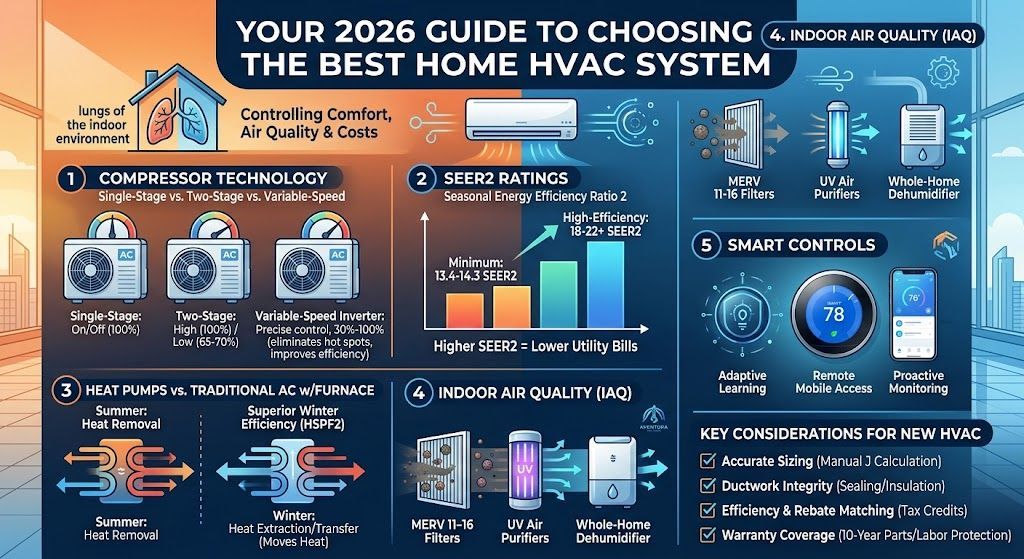
Accurate Sizing and Load Calculations
A system that is too small will run constantly without properly cooling your space, while an oversized unit turns on and off rapidly, spiking energy bills and failing to dehumidify the air. Certified HVAC technicians perform detailed Manual J Load Calculations to determine precise cooling requirements. This process factors in:
- Total square footage and ceiling height
- Home orientation and sun exposure
- Insulation quality in walls and attics
- Number and thermal efficiency of windows
- Daily occupancy levels and heat-generating appliances
SEER2 Energy Efficiency Ratings
Seasonal Energy Efficiency Ratio (SEER2) measures how efficiently a system converts electricity into cooling power over a typical season. Higher SEER2 ratings indicate greater energy efficiency and lower operational costs. Upgrading from an older 10 SEER unit to a modern 16+ SEER2 system can lower cooling energy consumption by up to 30–40%.
System Types to Consider
Depending on your home's layout, existing ductwork, and personal budget, you can choose from several HVAC system configurations:
- Central Air Conditioners: The standard choice for homes with established ductwork, offering uniform, whole-house cooling.
- Heat Pumps: Versatile systems that provide efficient cooling during hot months and reverse operation to deliver heating during cooler periods.
- Ductless Mini-Splits: Ideal for home additions, historic properties, or spaces lacking traditional duct structures, allowing independent temperature control across custom zones.
What to Expect During the Professional Installation Process
Proper equipment calibration and expert installation account for over 50% of your system’s long-term performance and efficiency. Skimping on installation quality can lead to persistent maintenance headaches and reduced equipment lifespan.
Step 1: Pre-Installation Inspection
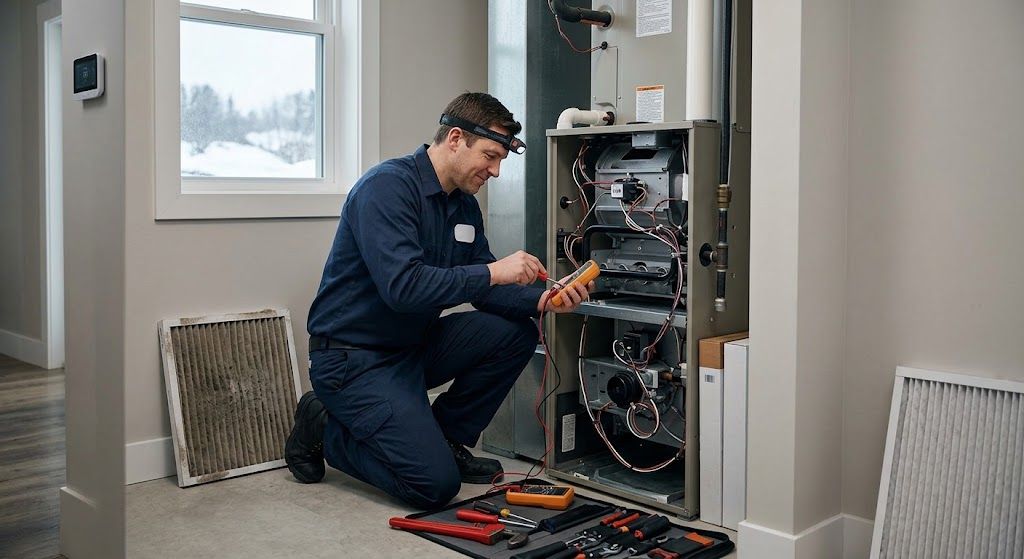
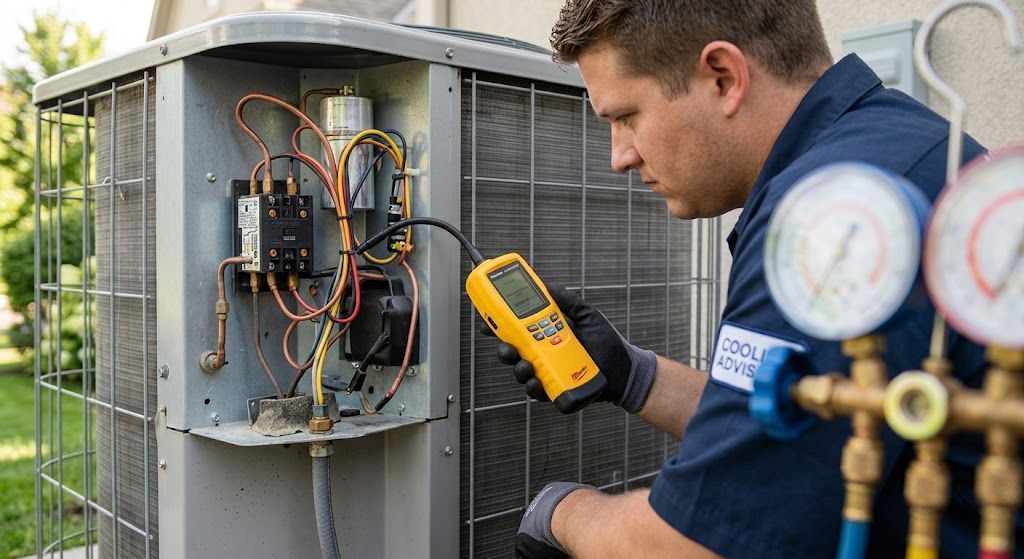
Technicians inspect your existing ductwork, electrical connections, refrigerant lines, and equipment pad to ensure compatibility with your new system.
Step 2: System Removal and Preparation
The installation crew safely recovers old refrigerant according to environmental regulations, disconnects electrical connections, and clears out the old indoor and outdoor units.
Step 3: Precise Equipment Placement
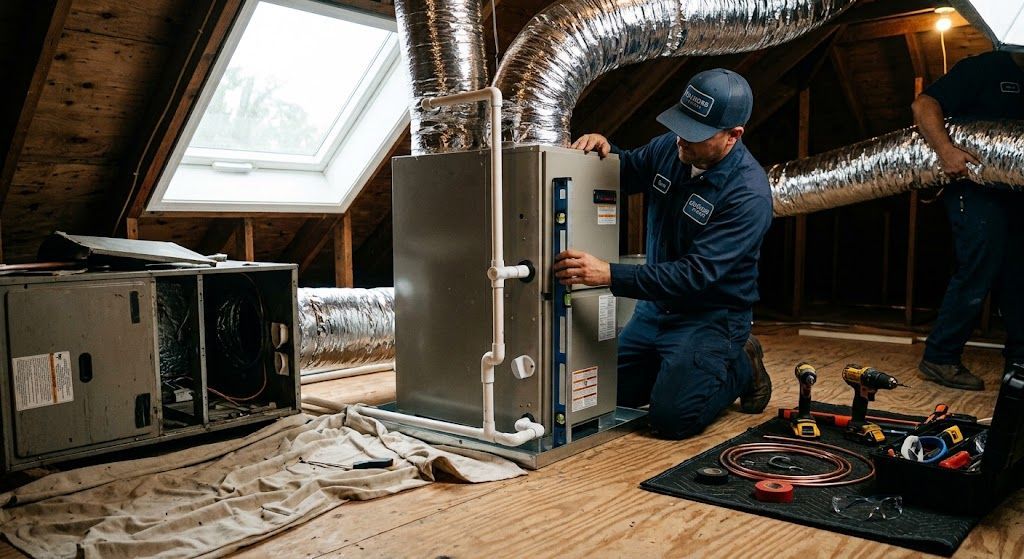
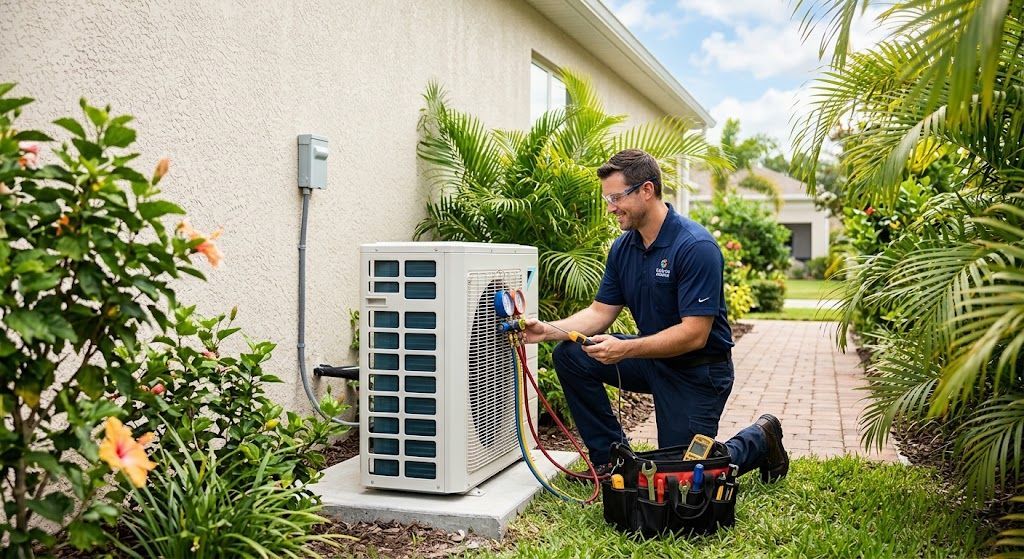
The new outdoor condenser is placed on a level pad with adequate clearance for proper airflow. Indoors, the evaporator coil and air handler are aligned securely.
Step 4: Line Connections and Electrical Setup
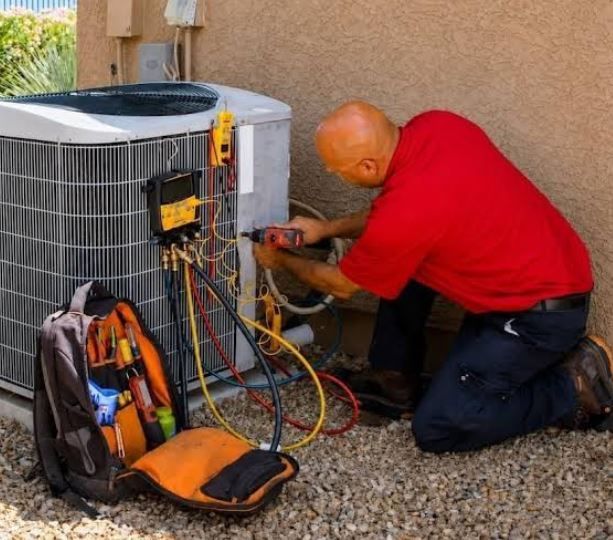
Technicians connect new copper refrigerant lines, run electrical wiring, connect the condensate drain lines, and integrate digital or smart thermostats.
Step 5: System Evacuation and Vacuum Testing
Before charging the unit with fresh refrigerant, the entire line set is pulled to a deep vacuum to eliminate air, dust, and moisture that could damage internal components.
Step 6: System Testing and Calibration
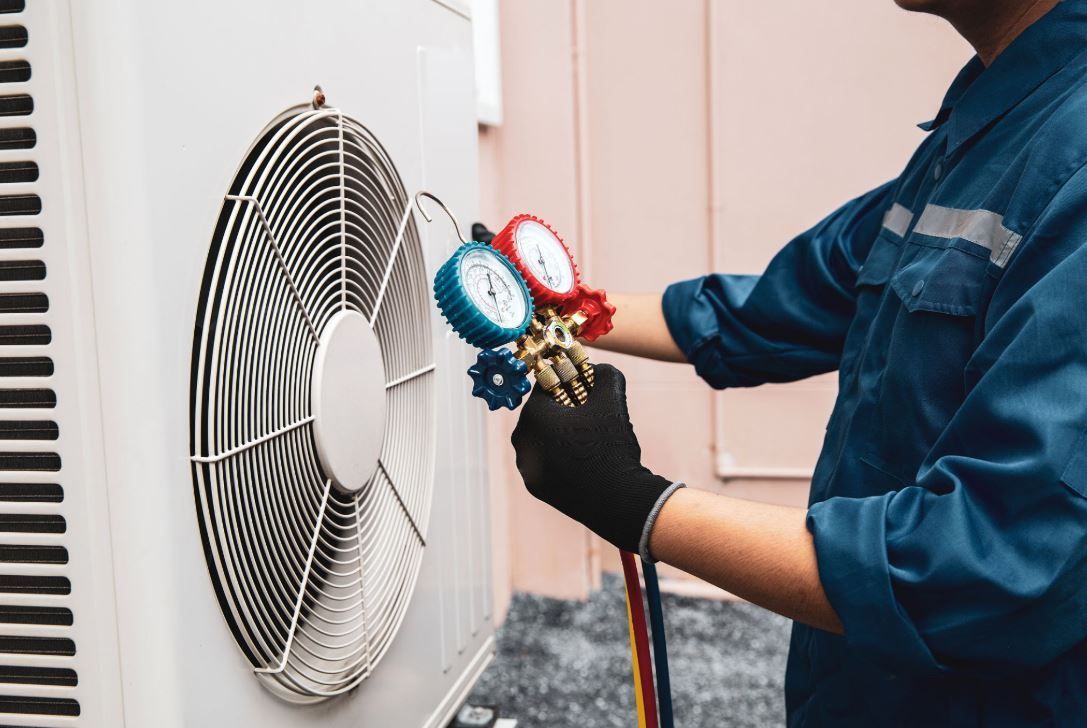
Once powered on, technicians measure airflow rates, check refrigerant charge levels, and verify safety controls to ensure peak operational performance.
Financial Advantages of Upgrading Your AC Unit
While purchasing a new system requires an upfront investment, long-term savings make it a sound financial decision.
Lower Monthly Utility Bills
High-efficiency systems use advanced variable-speed compressors that automatically adjust cooling output to match real-time demand, reducing wasted energy.
Rebates and Tax Credits
Under federal programs like the Inflation Reduction Act, along with local utility incentives, homeowners can qualify for significant tax credits and cash rebates on qualifying high-efficiency systems and heat pumps.
Reduced Maintenance Costs
New equipment includes comprehensive manufacturer warranties that protect you from out-of-pocket repair costs for years.
Protecting Your Investment with Ongoing Care
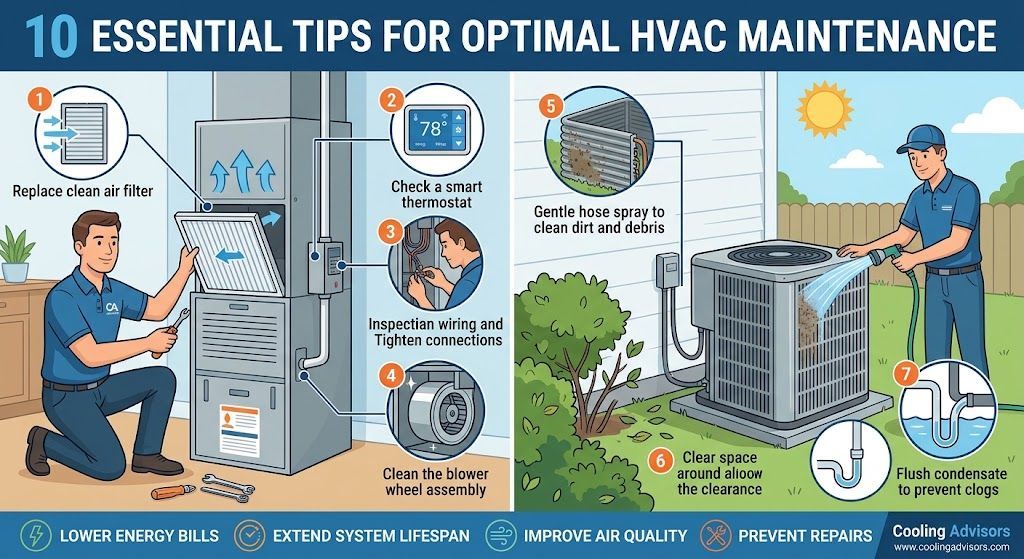
Once your new cooling system is up and running, routine maintenance is essential to maintain efficiency, preserve warranty coverage, and extend its overall lifespan. Simple steps include replacing air filters every 30 to 90 days, keeping the outdoor condenser clean and free of debris, and scheduling professional bi-annual tune-ups.
Choosing the right local experts ensures your equipment remains dependable year after year. Partnering with seasoned professionals like
AC Installation guarantees that every step of your residential cooling project—from initial sizing and load calculations to precision system installation—is handled with exceptional care and technical expertise.
Enjoy Dependable Home Comfort Year-Round
Upgrading your air conditioner is an investment in your home's comfort, efficiency, and long-term value. Recognizing early warning signs of system failure and opting for energy-efficient upgrades ensures your living spaces remain cool and inviting even during peak summer heat. Consult with qualified HVAC specialists today to explore modern system options, secure reliable financing, and schedule a professional installation tailored specifically to your home.