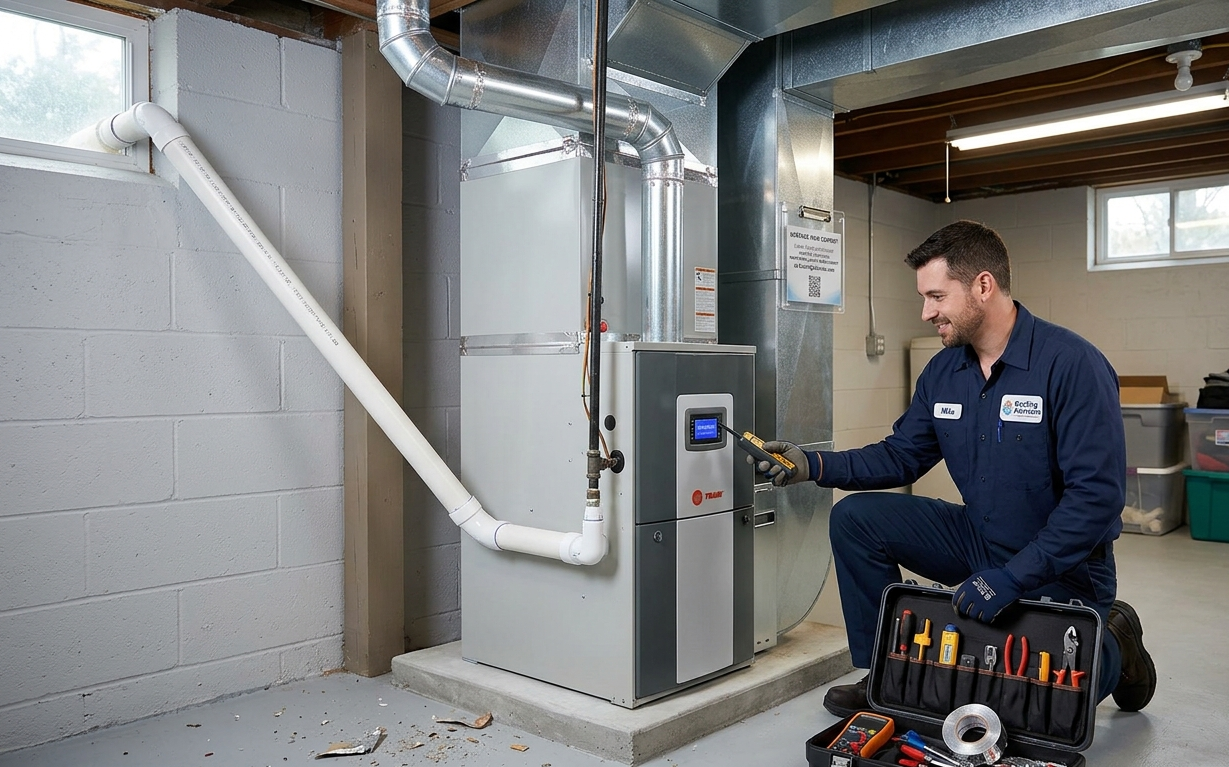
When summer heat settles in, a fully functioning air conditioning system becomes essential for a comfortable home. Unfortunately, cooling systems often fail when you need them most, leaving homeowners searching for quick, reliable solutions. Understanding how your system operates and knowing how to handle simple issues can save you time, stress, and unnecessary costs.
This comprehensive guide walks you through essential home cooling maintenance, helping you troubleshoot common issues, identify warning signs early, and determine exactly when to call a professional.
1. Quick DIY Checks Before Calling a Technician
Before reaching for the phone to schedule professional assistance, several simple checks can often resolve minor issues instantly. Modern cooling systems have safety mechanisms that shut down the unit when simple operational boundaries are crossed.
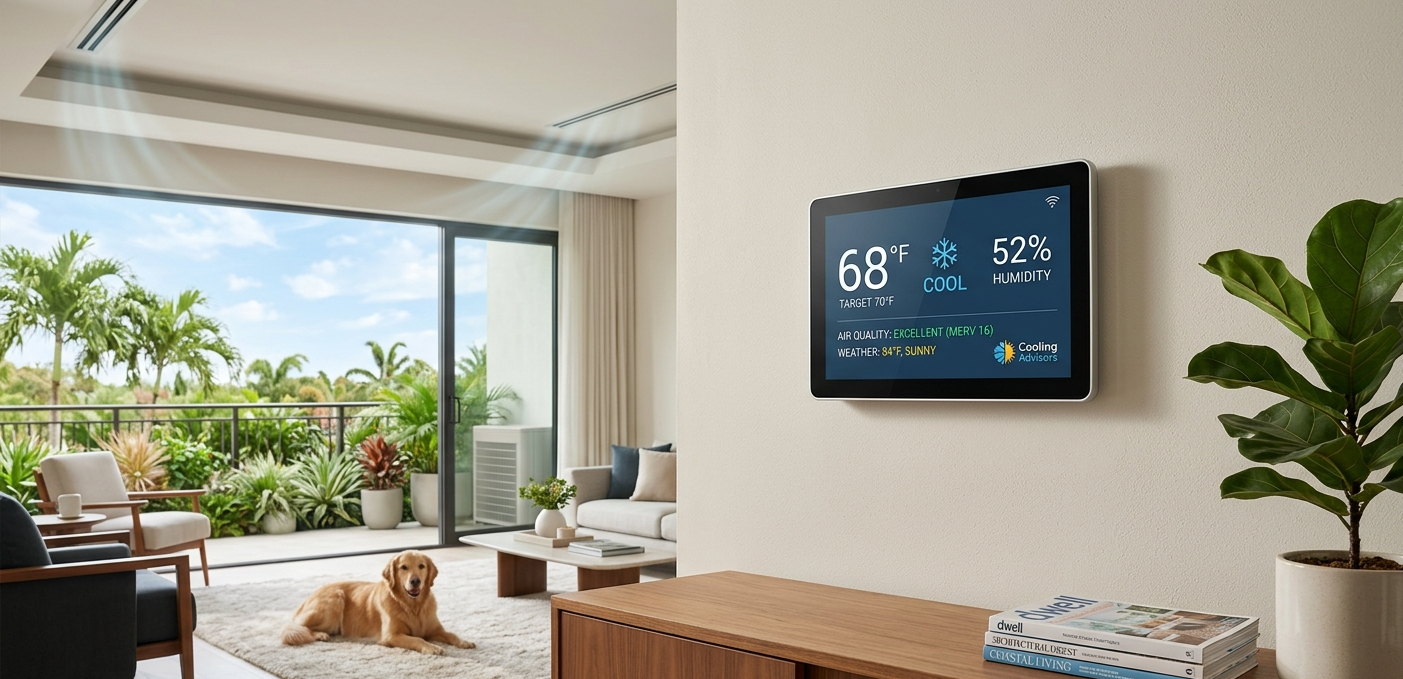
Check the Thermostat Settings
It may sound obvious, but thermostat mistakes are among the most common causes of system calls.
- Ensure the thermostat is set to "Cool" rather than "Heat" or "Fan Only."
- Set the target temperature at least 5 degrees below the current room temperature to trigger the cooling cycle.
- Inspect digital display batteries; low batteries can prevent communication between the thermostat and the AC unit.
Inspect Circuit Breakers and Switches
Air conditioners consume significant power and typically operate on dedicated electrical circuits.
- Check your main electrical panel to see if the circuit breaker tripped.
- Reset a tripped breaker by switching it completely to "Off" before moving it back to "On."
- Verify that the outdoor disconnect switch located near the compressor unit is turned on.
- Ensure the indoor power switch, usually located near the furnace or air handler in the attic or closet, is turned on.
Examine Air Filters
Restricted airflow causes more air conditioning failures than almost any other issue.
- Slide out your return air filter and inspect it against a light source.
- If light cannot pass through easily, replace it immediately with a new filter.
- Standard 1-inch filters should generally be replaced every 30 to 60 days during peak usage seasons.
2. Common Symptoms and How to Troubleshoot Them
When an air conditioner experiences operational failure, it usually displays specific symptoms. Identifying these signs allows you to take appropriate corrective measures.
System Blowing Warm Air
When warm air blows from your vents, the indoor fan is working, but the cooling process has stalled.
- Verify that the outdoor condenser unit is actually running and receiving power.
- Clean debris, leaves, grass clippings, and dirt away from the outdoor unit to ensure proper airflow.
- Check for frozen refrigerant lines; if ice is present, turn the system off immediately to prevent compressor damage.
Short Cycling (Turning On and Off Rapidly)
Short cycling puts immense stress on the compressor and significantly increases energy bills.
- Replace clogged air filters that restrict proper airflow across the evaporator coil.
- Ensure thermostat sensors are not placed in direct sunlight or near heat-generating appliances.
- Have a certified technician verify that your unit is properly sized for your home's square footage.
Water Leaking Near the Indoor Unit
Water surrounding your indoor air handler signals a blocked condensate drain system.
- Turn off power to the unit immediately to avoid water damage to surrounding walls or flooring.
- Inspect the drain pan for standing water or debris blockages.
- Use a wet/dry vacuum on the outdoor drain line termination point to clear algae or sludge build-up.
3. The Dangers of Ignoring Air Conditioner Maintenance
Ignoring minor air conditioning performance issues almost always leads to larger, more expensive problems down the road. Regular maintenance and prompt attention to minor glitches preserve equipment life and keep monthly utility expenses manageable.
Increased Energy Expenses
When components like coils or fan blades become dirty, the system must work much harder to achieve target temperatures. This additional workload translates directly into higher monthly electric bills without delivering better performance.
Reduced Lifespan of Equipment
A cooling system forced to operate with low refrigerant levels, dirty coils, or clogged filters experiences severe mechanical wear. Key components, particularly the compressor, can overheat and fail prematurely, resulting in costly replacement expenses.
Poor Indoor Air Quality
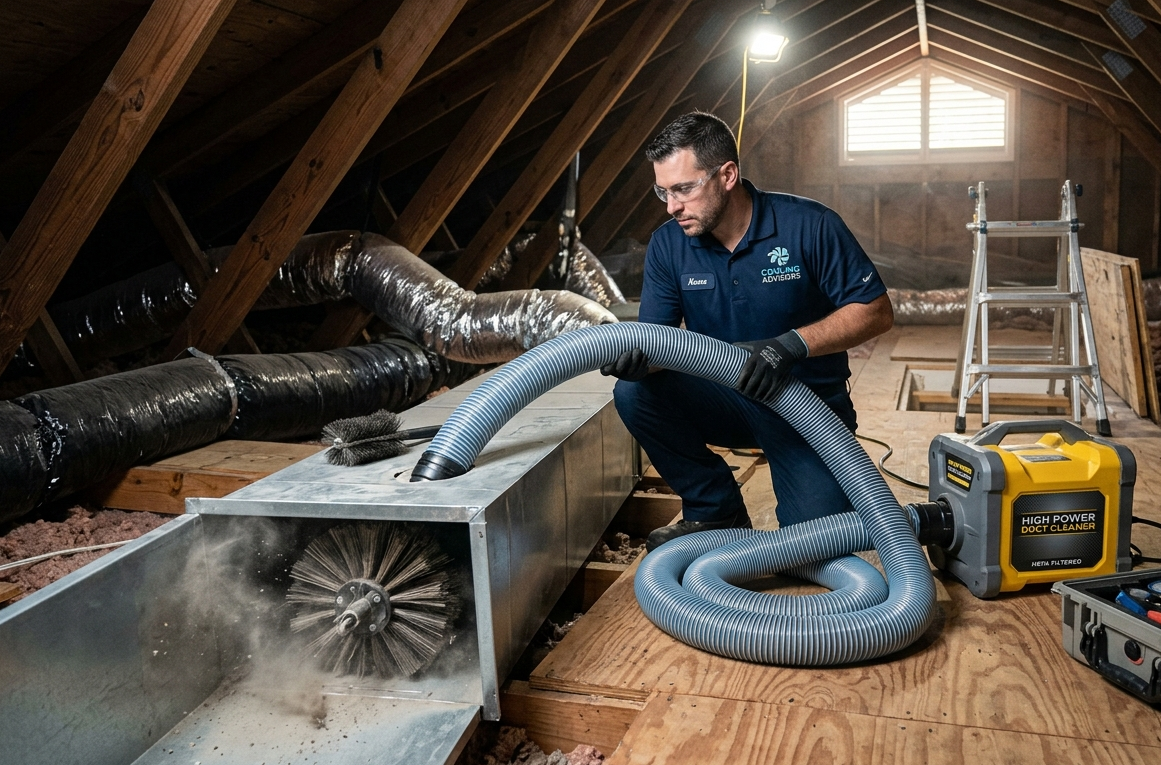
Stagnant water in condensate pans and dirty filters encourage mold, mildew, and dust accumulation inside ductwork. Circulating these particles throughout your home can trigger allergies, respiratory issues, and unpleasant odors.
4. When to Call for Professional Service
While basic maintenance tasks are well within the capabilities of most homeowners, complex mechanical, electrical, and chemical components require professional expertise. Attempting advanced repairs without training can compromise home safety and void manufacturer warranties.
You should contact a certified technician immediately if you experience:
- Loud grinding, squealing, or metallic banging noises coming from the unit.
- Burning smells or electrical odors originating near the indoor or outdoor units.
- Persistent circuit breaker trips every time the cooling cycle attempts to start.
- Ice accumulation on the copper refrigerant lines or evaporator coil.
- Complete loss of cooling capacity that simple troubleshooting cannot resolve.
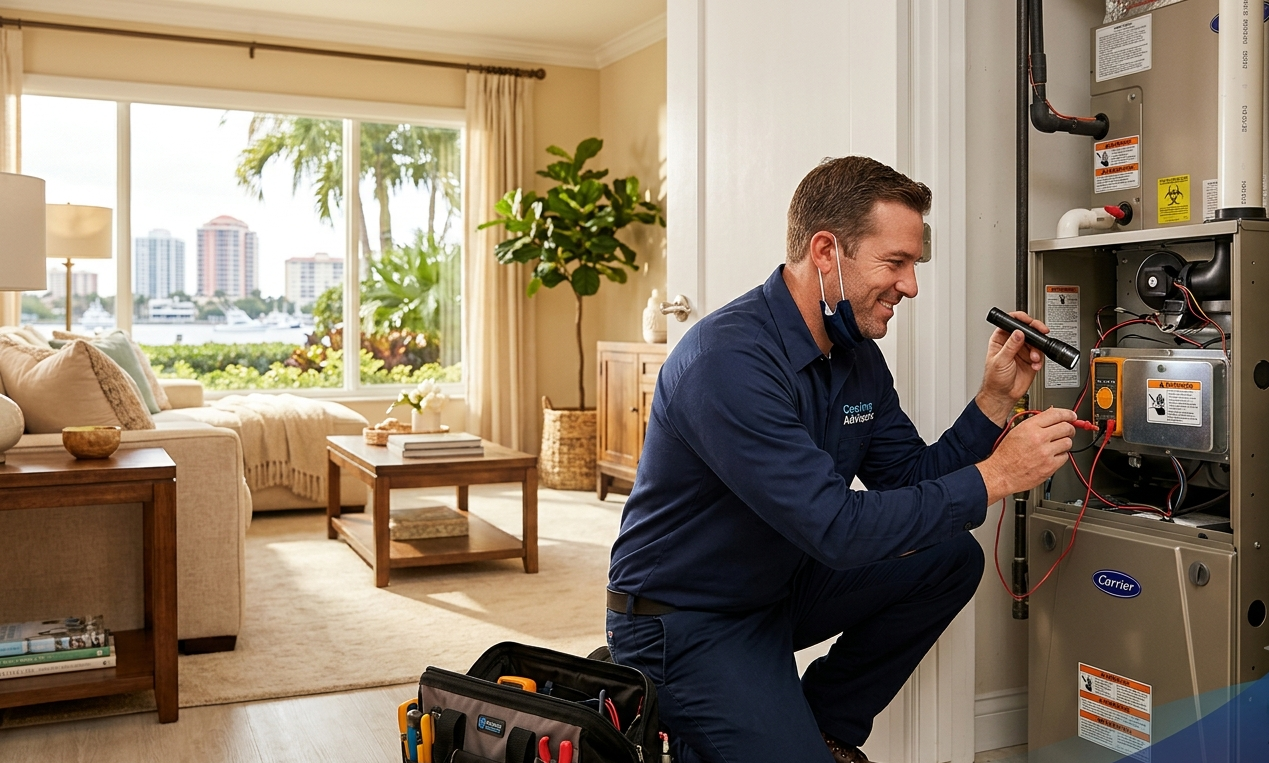
Handling complex refrigeration circuits, high-voltage electrical connections, and intricate duct calculations demands trained hands. When self-troubleshooting steps fail to restore comfortable temperatures, scheduling professional
AC repair ensures your system is evaluated safely and brought back to peak seasonal efficiency.
5. Preventive Steps for Long-Term System Health
Preventive care remains the most reliable way to prevent sudden summer breakdowns. Implementing a simple seasonal maintenance checklist keeps your equipment running smoothly year after year.
- Clear Outdoor Clearance: Maintain at least two feet of clear space around your outdoor condenser unit, trimming back shrubs, weeds, and branches.
- Keep Vents Open: Ensure supply and return vents inside your home remain unblocked by furniture, drapes, or rugs to maintain proper air volume.
- Schedule Annual Inspections: Have a professional technician inspect electrical connections, measure refrigerant levels, clean condensate drains, and lubricate moving parts every spring before hot weather arrives.
By understanding how your system functions and addressing small issues early, you can enjoy consistent home comfort, lower energy costs, and reliable performance all season long.