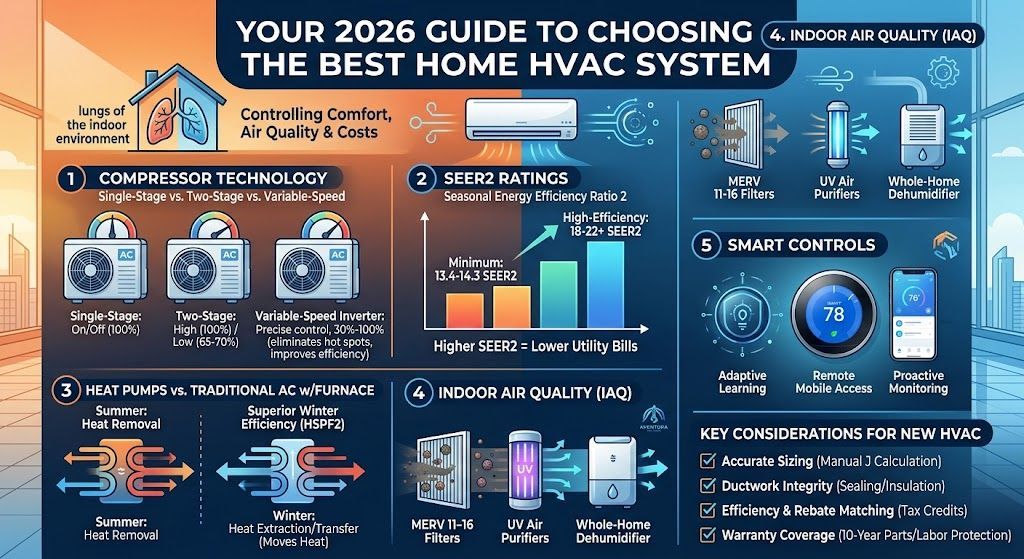
To effectively troubleshoot cooling issues, it helps to understand the basic mechanics of central air conditioning. Contrary to popular belief, an air conditioner does not actually create cold air. Instead, it works by removing heat and humidity from inside your home and transferring it outdoors.
The cooling process relies on a continuous loop powered by a chemical compound known as refrigerant. Here is how the key components work together:
- The Thermostat: Signals the system to turn on when indoor temperatures rise above your designated setting.
- The Evaporator Coil: Located inside your indoor air handler, this coil absorbs heat from indoor air as refrigerant evaporates into a gas.
- The Compressor: Situated in the outdoor unit, the compressor pumps gas refrigerant through the system, raising its pressure and temperature.
- The Condenser Coil: Also in the outdoor unit, this coil releases the absorbed indoor heat into the outside environment as the refrigerant cools back into a liquid.
- The Blower Motor and Fan: Pushes the newly cooled, dehumidified air back through your home's ductwork.
When every component works in perfect sync, your home remains cool and energy efficient. However, if a single component fails or becomes dirty, the entire system struggles to maintain comfort.
Top Warning Signs Your Air Conditioner Needs Attention
Air conditioners rarely break down without warning. In most cases, systems display subtle signals indicating internal stress or component degradation before completely shutting off. Catching these red flags early can save you from costly emergency repairs.
1. Warm Air Blowing From the Vents
If your thermostat is set to cool but the air coming from your vents feels warm or lukewarm, your system is failing to complete the refrigeration cycle. This issue usually stems from a blown capacitor, a frozen evaporator coil, a severe refrigerant leak, or a failing outdoor compressor.
2. Reduced Airflow
Weak airflow coming through your supply registers suggests that air is not circulating properly through your duct system. Common causes include heavily clogged air filters, a failing blower motor fan, detached ductwork, or dust buildup on the evaporator coil.
3. Frequent System Cycling
It is normal for an air conditioner to run regular cooling cycles, especially during the hottest parts of the afternoon. However, if your unit turns on and off every few minutes, it is experiencing a condition known as short-cycling. Short-cycling places extreme stress on electrical components, drastically increases power bills, and often indicates a oversized unit, a failing thermostat, or electrical faults.
4. High Indoor Humidity
A primary secondary benefit of air conditioning is dehumidification. During hot weather, your AC should naturally keep indoor humidity levels between 30% and 50%. If your indoor air feels sticky, heavy, or humid while the unit is running, your system requires professional evaluation.
5. Water Leaks Around the Indoor Unit
Condensation naturally forms on the indoor evaporator coil during the cooling process. This moisture normally drips into a drain pan and flows out of your home through a condensate drain line. If you notice pooling water around your indoor air handler, the drain line is likely clogged with algae or debris, or the drain pan itself has rusted through.
6. Strange Sounds and Odors
Your air conditioner should operate relatively quietly. Unusual noises signal mechanical friction or component failure:
- Squealing or Screeching: Indicates a slipping fan belt or worn blower motor bearings.
- Grinding or Rattling: Points to loose internal hardware, broken motor mounts, or debris in the fan blades.
- Banging or Clunking: Suggests a serious issue with the compressor rod or motor assembly.
- Musty Odors: Often called "dirty sock syndrome," caused by bacterial growth on the evaporator coil or standing water in the drain pan.
- Burning Smells: Indicates overheating electrical wiring or insulation.
DIY AC Troubleshooting Checklist
Before booking a professional service call, performing a quick system check can resolve basic operational issues and save time.
Step 1: Check the Thermostat Settings
Ensure your thermostat is set to "Cool" rather than "Heat" or "Off." Verify that the set temperature is at least three to five degrees lower than the current room temperature. If your thermostat uses batteries, replace them to ensure proper signal transmission to the main board.
Step 2: Inspect and Replace the Air Filter
A clogged air filter is the single most common cause of poor cooling performance. When dust blocks airflow over the evaporator coil, the coil drops below freezing temperatures and turns into a block of ice. Check your air filter monthly and replace it at least every 60 to 90 days.
Step 3: Inspect Circuit Breakers
Air conditioners draw significant electrical power during startup. If your unit completely fails to turn on, check your home’s main electrical panel. A power surge may have tripped the dedicated circuit breakers for both the indoor blower and outdoor condenser units. Reset any tripped breakers once. If they trip again immediately, do not attempt to reset them a second time, as this indicates a serious short circuit.
Step 4: Clear Around the Outdoor Unit
The outdoor condenser coil requires adequate breathing room to release heat efficiently. Inspect the outdoor cabinet and clear away dry leaves, lawn clippings, weeds, and debris. Ensure there is at least two feet of open clearance surrounding all sides of the unit.
Common Causes of Air Conditioner Breakdown
When basic troubleshooting does not restore cool air, the underlying problem typically involves internal electrical or mechanical components.
Refrigerant Leaks
Refrigerant does not wear out or get depleted through normal operation; it cycles through a sealed closed-loop system. If your unit is low on refrigerant, there is an active leak somewhere in the copper tubing or coil connections. Operating a system with low refrigerant causes the evaporator coil to freeze and can permanently destroy the compressor.
Capacitor Failure
Capacitors are small cylindrical components that provide the initial electrical boost required to start the compressor and fan motors. Over time, heat exposure and electrical fluctuations weaken capacitors. When a capacitor fails, the motors may hum or click but will fail to start spinning.
Frozen Evaporator Coils
Evaporator coils freeze when heat absorption is interrupted. Restricted airflow from dirty filters, closed supply vents, or low refrigerant levels cause the coil temperature to drop below 32°F. Moisture condensing on the coil freezes instantly, building up thick layers of ice that completely block air movement.
Clogged Condensate Lines
Air conditioners pull gallons of water out of indoor air every hot day. High humidity combined with dust and airborne mold spores creates a perfect environment for algae growth inside the PVC drain pipe. Once blocked, safety float switches automatically shut down the unit to prevent water damage to your ceilings and floors.
Why Preventive Maintenance Matters
The most effective way to avoid unexpected mid-summer breakdowns is through annual preventive maintenance. HVAC systems, much like automobiles, rely on continuous mechanical motion and high-voltage electricity, requiring periodic tuning to run safely and efficiently.
Benefits of Professional Tune-Ups
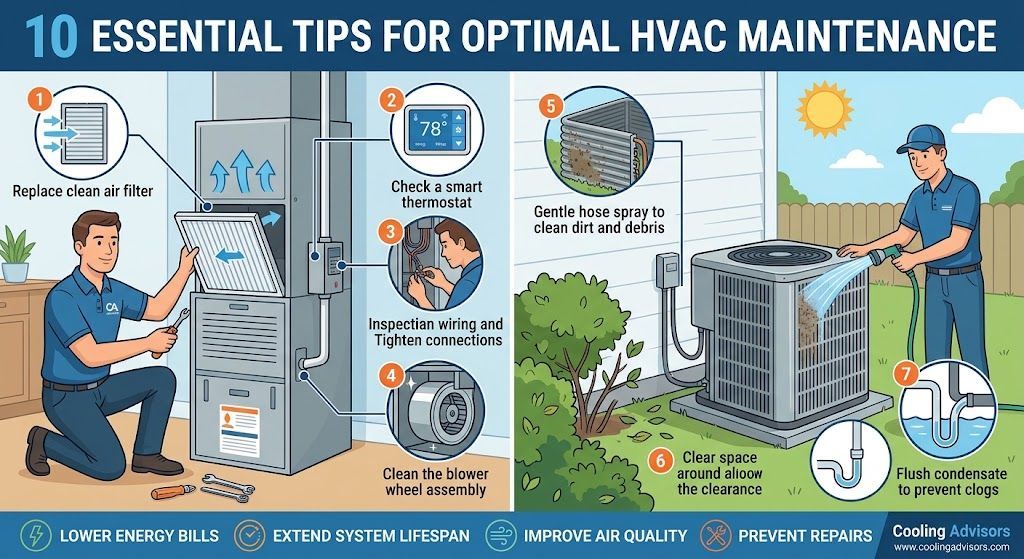
- Lower Monthly Energy Bills: Clean coils, properly lubricated motors, and calibrated controls allow the system to cool your home faster using less electricity.
- Extended Equipment Lifespan: Regular service prevents minor component wear from cascading into major system failure, helping your AC reach its full 15-to-20-year potential.
- Improved Indoor Air Quality: Professional cleaning clears out dust, pollen, and mold spores that accumulate inside air handlers and drain pans.
- Prevention of Major Emergency Repairs: Technicians identify worn capacitors, thin wiring, and small refrigerant leaks before they turn into costly mid-summer emergencies.
Standard Maintenance Checklist
During a professional spring maintenance visit, a qualified HVAC technician will complete a comprehensive inspection:
- Clean indoor evaporator coils and outdoor condenser coils.
- Inspect and flush condensate drain lines and drain pans.
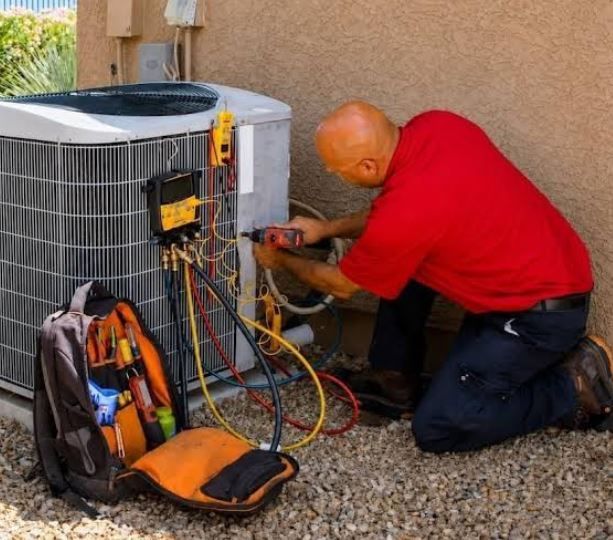
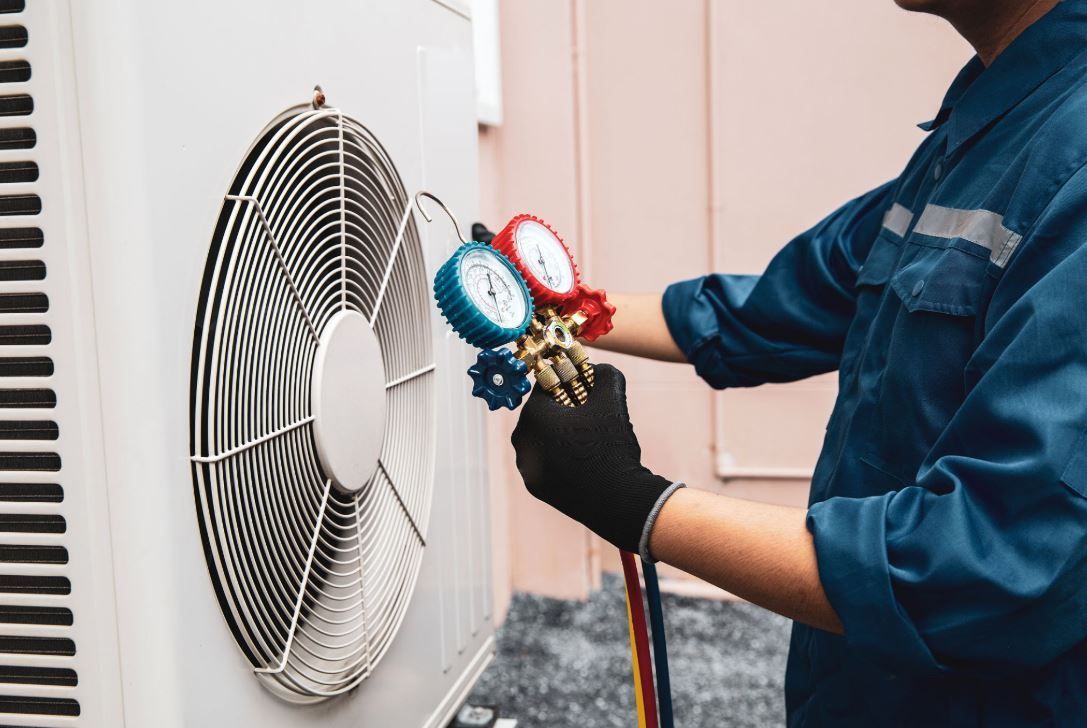
- Check refrigerant levels and verify correct system pressure.
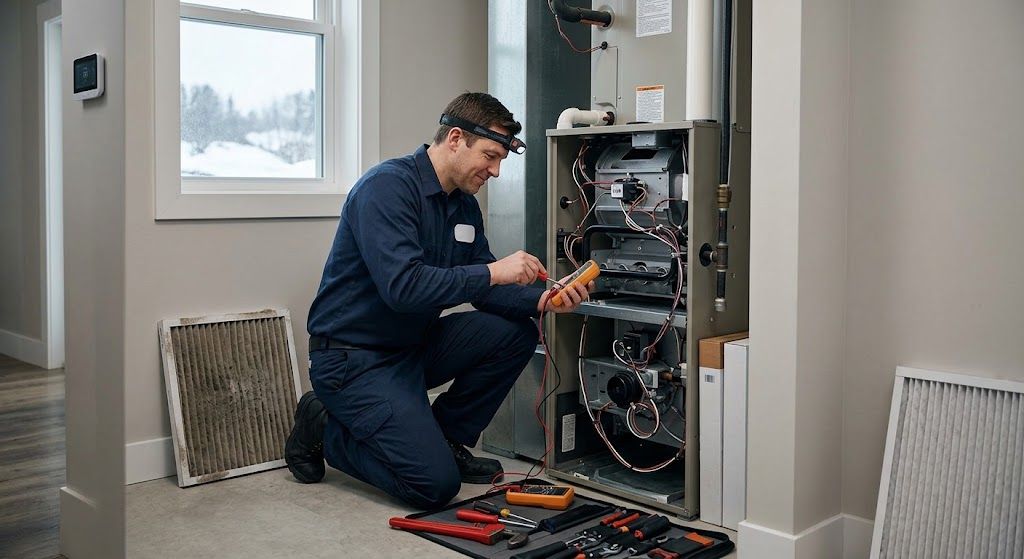
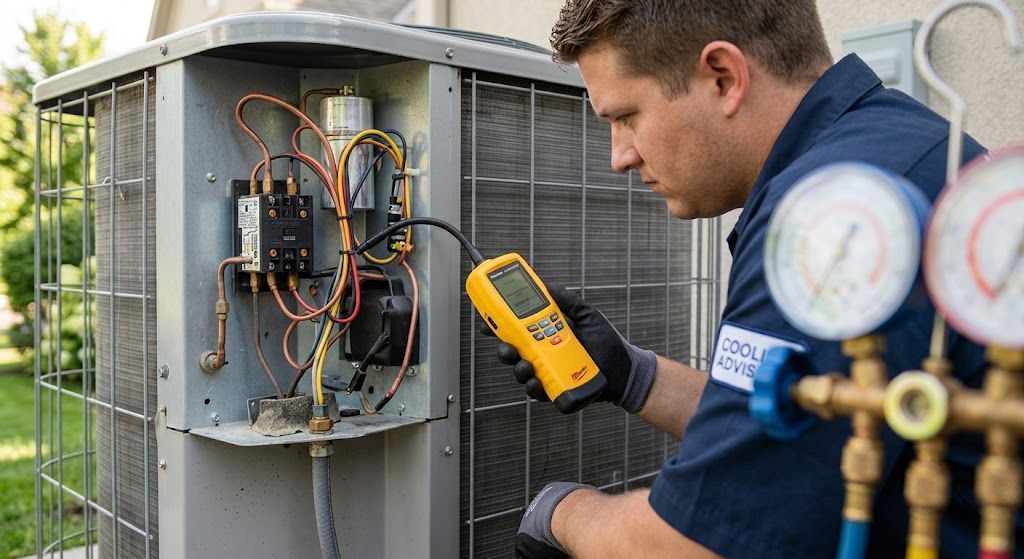
- Test run capacitors, start capacitors, and electrical contactors.
- Inspect electrical connections and tighten loose wiring.
- Measure blower motor voltage and amp draw.
- Lubricate all moving mechanical parts.
- Calibrate thermostat accuracy and verify system airflow.
Knowing When to Call a Certified HVAC Technician
While changing air filters and clearing yard debris are safe home maintenance tasks, internal cooling repairs require specialized training, specialized diagnostics, and strict adherence to environmental safety regulations.
Refrigerants are hazardous chemicals regulated by federal law, requiring EPA certification for safe handling, recovery, and charging. Furthermore, working with high-voltage electrical components carries severe risks of electrical shock, arc flashes, or home fires if handled incorrectly.
If your system is short-cycling, leaking liquid, making loud metallic noises, or failing to cool after replacing your filter, it is time to contact qualified professionals. Prompt attention prevents minor electrical glitches from damaging expensive core components like your compressor. For fast diagnostics, reliable service, and expert cooling solutions tailored to your home, trust local professionals for your
ac repair needs to restore your home's comfort quickly and safely.
How to Choose the Right HVAC Company
Selecting a reliable service contractor ensures your cooling system receives lasting repairs rather than temporary fixes. Consider these criteria when selecting a company:
- Licensure and Insurance: Always verify that the company holds valid state HVAC contracting licenses and carries full liability and workers' compensation insurance.
- NATE Certification: Look for technicians certified by North American Technician Excellence (NATE), which demonstrates rigorous testing and industry competence.
- Transparent Pricing: Reputable contractors provide detailed written estimates after performing thorough initial diagnostics, explaining all costs before work begins.
- Customer Reviews and Guarantees: Check online reviews across independent platforms and confirm that the company backs its workmanship with written warranties.
Investing time in proper maintenance, addressing early warning signs, and partnering with experienced cooling professionals ensures your home stays cool, safe, and energy efficient through the hottest months of the year.