Smiling sun with sunglasses, turquoise palm trees, and ocean, on a sunny day.

What Those Strange Heat Pump Noises Really Mean
Cooling Advisors • October 6, 2025
Two black palm trees on a small island, set against a white background.

Share this article


Black silhouette of two palm trees on a small island.

Heat Pump Noises? Here's What May Be Happening


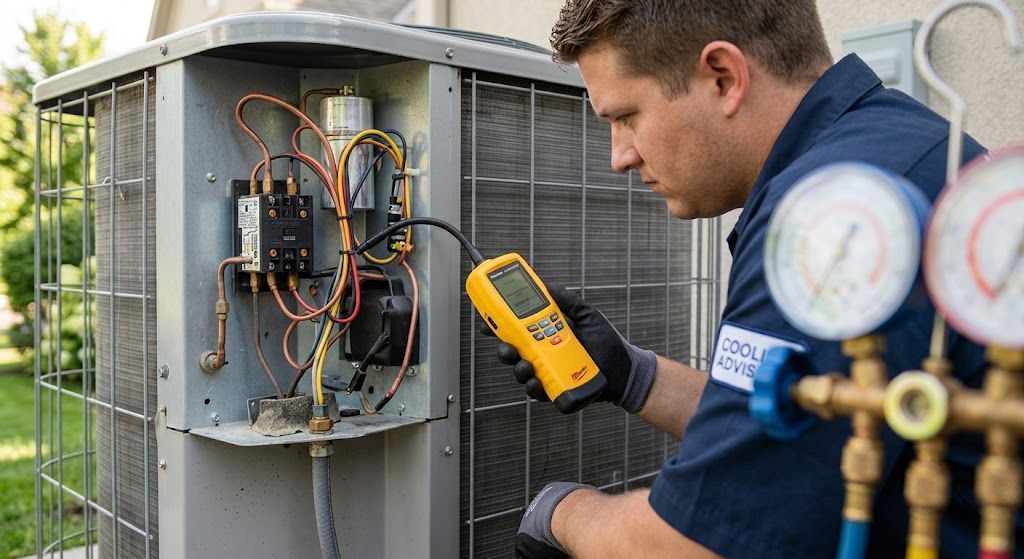
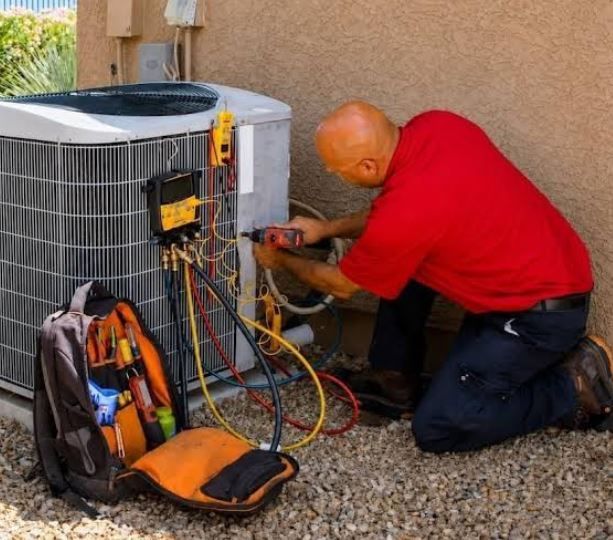
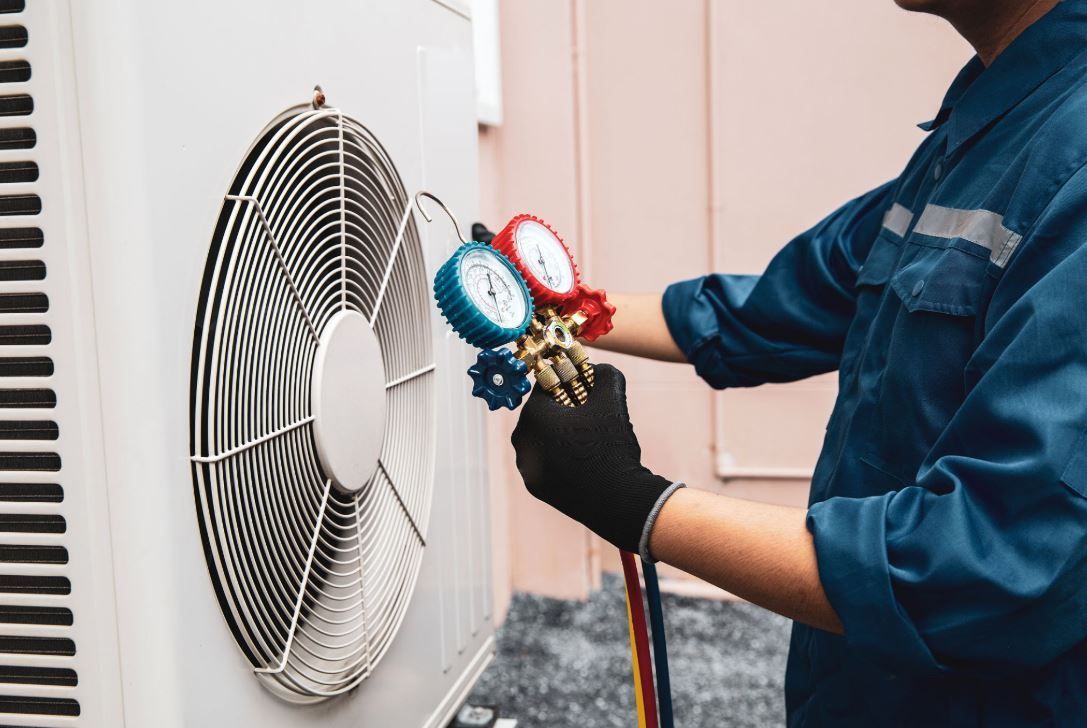
Your heat pump is designed to run quietly, offering convenient and efficient heating and cooling for your home. When strange sounds start coming from the system, it’s safe to assume that something is wrong. Today, learn more about what some common heat pump noises mean, and what you can do to protect your heating and cooling system.

Banging or Clanking Noises

Banging noises coming from your heat pump can either be something quite serious or something that’s not too problematic. In some instances, it just means that one of the panels that you can see on the outside of the system is loose. Simply tightening the screw holding it in place should resolve the problem.


However, if none of the panels are loose, a banging or clanking noise can indicate that something is loose or damaged inside your heat pump. Loose parts can cause serious internal damage to other components, leading to costly repairs. Acting early ensures that the problem is addressed before it spreads to other areas of the system.

Grinding or Screeching Sounds

Screeching or grinding noises usually indicate a problem with your heat pump’s motor or one of the bearings in it. As these parts wear down, friction increases, producing loud, harsh noises that are created when metal components start grinding against one another.


Left untreated, worn bearings or a failing motor can lead to a complete system breakdown. Repairing or replacing a motor is far more cost-effective when caught early compared to dealing with total failure.

Hissing or Bubbling Noises

Your heat pump relies on refrigerant to change the temperature of the air before it pushes it into your home. Hissing or bubbling sounds typically mean that you have a refrigerant leak. Tiny holes can form in the lines that carry refrigerant, resulting in a leak.


Beyond reduced comfort, low refrigerant can cause the system to overwork, putting stress on the compressor. This can eventually lead to compressor failure, which is one of the most expensive repairs for any heat pump.

Buzzing or Clicking Sounds

Finally, buzzing or clicking sounds are usually related to electrical issues. This could include failing relays, wiring problems, or issues with the capacitor.


These electrical problems can prevent your heat pump from starting up properly or cause intermittent operation. In some cases, ignoring the warning signs can increase the risk of a complete system shutdown.

Call Us When You Hear Something Strange

It’s never a good idea to try to repair your own heat pump. Not only is it unsafe to work on something that requires so much electricity, but you can also do more damage to the system, resulting in more expensive repairs.


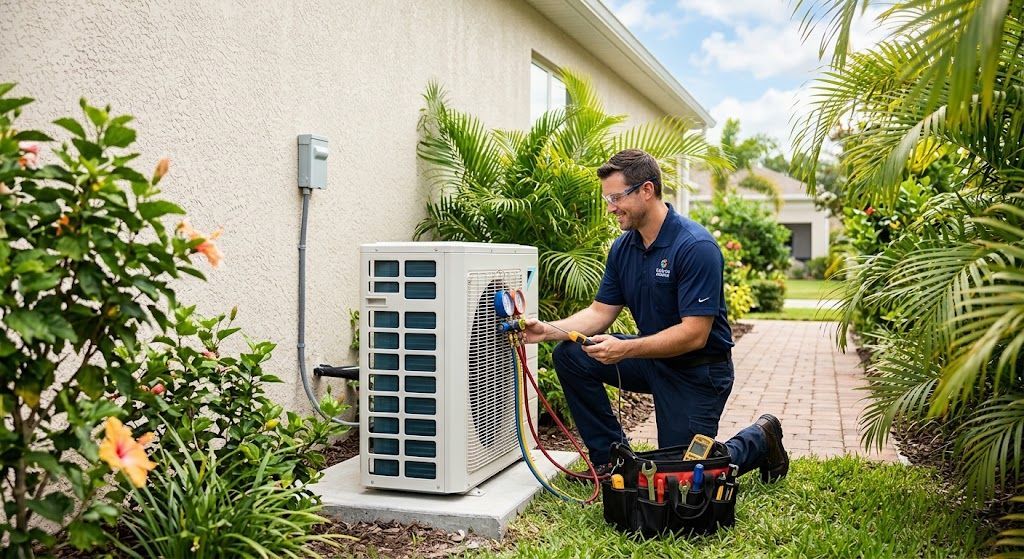
If you hear strange noises coming from your West Palm Beach, FL heat pump, call Cooling Advisors to schedule repairs.

Recent Posts

Professional AC installation and replacement by Cooling Advisors technicians in West Palm Beach
By Corey Creekmore July 3, 2026
Upgrade your home's comfort. Trust Cooling Advisors for expert AC installation and replacement in West Palm Beach. Enjoy upfront pricing and great financing!
By Corey Creekmore June 25, 2026
When it comes to staying comfortable in your own home, a reliable air conditioning system isn't just a luxury—it’s an absolute necessity. The scorching South Florida summer heat and intense coastal humidity can quickly turn your living space into an oven if your AC decides to malfunction. That is where professional HVAC care becomes invaluable. Proper cooling services ensure that your system runs efficiently, keeps your utility bills predictable, and extends the overall lifespan of your expensive equipment. Understanding the full scope of what keeps an air conditioning system running optimally can help you make informed decisions about your home comfort. From urgent repairs to proactive maintenance, let’s explore the essential services required to keep your indoor climate perfectly chilled. The Critical Role of Professional AC Repair Air conditioners are complex machines with dozens of moving parts, electrical components, and chemical refrigerants. Over time, friction, heavy coastal dust, and general wear and tear can take a toll. When an AC system starts underperforming, ignoring the minor signs can lead to total system failure. Common indicators that your air conditioner requires immediate professional attention include: Blowing Warm Air: If your vents are emitting lukewarm or hot air, it could point to a failed compressor, a refrigerant leak, or a broken thermostat. Strange Noises: Squealing, grinding, scraping, or loud banging sounds from your indoor or outdoor unit usually indicate loose components, belt damage, or motor failure. Frequent Cycling: An AC that turns on and off every few minutes is short-cycling. This places immense strain on the compressor and dramatically increases energy consumption. Unusual Odors: Musty smells often signify mold or mildew growth inside the ductwork or on the evaporator coils, while burning odors indicate electrical issues. Leaking Fluid: Pools of water or refrigerant around your system are clear indicators of a blocked condensate drain line or a serious chemical leak. Attempting to fix these issues yourself can void manufacturer warranties and potentially cause further damage. Certified HVAC technicians possess the diagnostic tools and specialized training to isolate the root cause of the issue safely and resolve it permanently. Proactive AC Maintenance: Prevention is Better Than a Cure Many homeowners only think about their local HVAC company when something goes wrong. However, the most cost-effective approach to home comfort is preventative maintenance. Just like a car needs regular oil changes and tune-ups, your air conditioning system requires an annual check-up to perform at its peak, especially under the demands of a sub-tropical climate. During a routine maintenance visit, a technician performs several vital tasks: Cleaning the Coils: Evaporator and condenser coils accumulate dirt, salt air debris, and dust over time, insulating them and reducing their heat-absorption capabilities. Cleaning them restores heat transfer efficiency. Checking Refrigerant Levels: Operating an AC with too little or too much refrigerant strains the compressor and lowers cooling capacity. Technicians ensure the charge meets manufacturer specifications. Inspecting Electrical Connections: Loose connections are fire hazards and can cause intermittent operational failures. Tightening and testing these components ensures safe operation. Lubricating Moving Parts: Reducing friction in motors and fans prevents premature wear, keeps the system running quietly, and lowers electricity usage. Clearing Condensate Lines: Clogged drains can cause water back-ups, leading to severe property water damage and high indoor humidity. Investing in regular maintenance not only prevents sudden, uncomfortable breakdowns during peak summer months but also preserves your manufacturer’s warranty, which often requires proof of annual professional service. Efficient AC Installation and Replacement No air conditioner lasts forever. Generally, a well-maintained cooling system has a lifespan of 10 to 15 years. As your unit approaches the end of its life cycle, it will likely require more frequent repairs, and its energy efficiency will naturally plummet. When the time comes for a replacement, selecting the right system and ensuring it is correctly sized for your home is paramount. An oversized unit will cool the house too quickly without properly removing humidity, leading to a clammy indoor environment. Conversely, an undersized unit will run continuously, driving up electricity bills while failing to reach the target temperature. Professional HVAC installers perform precise load calculations based on your home’s square footage, insulation quality, window placement, and regional climate to recommend the perfect unit. Modern air conditioners boast significantly higher SEER2 (Seasonal Energy Efficiency Ratio) ratings than models built a decade ago. Upgrading to a modern, energy-efficient system can lower your monthly utility costs by up to 20% to 40%, allowing the new installation to eventually pay for itself over time. Improving Indoor Air Quality (IAQ) Cooling your home isn't just about managing the temperature; it is also about controlling the quality of the air you and your family breathe. Because modern homes are sealed tightly to prevent energy loss, indoor air can trap pollutants, allergens, pet dander, mold spores, and volatile organic compounds (VOCs). Advanced cooling services go beyond the basic air filter. Technicians can install whole-home air purifiers, UV germicidal lights that kill bacteria inside the air handler, and advanced filtration systems like HEPA filters. Properly balanced humidity control via dehumidifiers integrated into your HVAC system also prevents dust mite proliferation and structural mold growth, safeguarding both your health and your property.  Trust the Comfort Experts Your indoor comfort relies on a delicate balance of mechanical reliability, systemic efficiency, and regular professional care. Whether you are facing an unexpected mid-summer breakdown, looking to schedule a seasonal tune-up, or preparing to upgrade your entire HVAC system to an energy-saving model, having a dependable team on your side makes all the difference. For comprehensive solutions tailored to your home's unique layout, look no further than our dependable AC repair and maintenance services to keep your environment perfectly chilled all year long. Don't wait for a system breakdown to leave you sweating; prioritize your peace of mind and home comfort by scheduling a professional inspection today.
Cross-section diagram of a home HVAC system highlighting key indoor and outdoor components.
By Corey Creekmore June 18, 2026
Is your AC struggling? Learn how to maximize your South Florida HVAC efficiency, cut energy bills, improve indoor air quality, and avoid costly repairs.
By Cooling Advisors June 13, 2026
Heat pumps in West Palm Beach, FL offer year-round comfort and efficiency. Cooling Advisors installs and services heat pump systems for lasting home performance.
Cooling Advisors technician servicing a home air conditioner unit in Palm Beach Shores FL
By Corey Creekmore June 10, 2026
Need reliable AC repair or HVAC tune-ups? Cooling Advisors offers expert air conditioning installation and maintenance services in Palm Beach Shores, FL.
Modern AC unit outside a Palm Beach Gardens home with palm trees and a screened-in patio.
By Corey Creekmore June 3, 2026
Is your air conditioner struggling with the Florida heat? Discover expert AC repair, maintenance tips, and replacement guides in Palm Beach Gardens, Florida.
HVAC technician from Cooling Advisors repairing a home air conditioning unit in Palm Beach
By Corey Creekmore May 28, 2026
Keep your home chilled with Cooling Advisors. We offer expert AC repair, maintenance, and high-efficiency HVAC installation services in Palm Beach, FL.
An HVAC technician showing a smart thermostat to a happy homeowner in North Palm Beach, FL.
By Corey Creekmore May 21, 2026
Need reliable AC repair in North Palm Beach, Florida? Cooling Advisors offers fast, expert HVAC services, maintenance, and installations. Schedule today!
Professional HVAC technician performing AC repair and maintenance on a residential unit in Lake Wort
By Corey Creekmore May 14, 2026
Looking for expert AC repair in Lake Worth, FL? Cooling Advisors offers 24/7 HVAC service, installations and maintenance to keep your home cool and comfortable.
Cooling Advisors technician performing AC repair and HVAC maintenance for a residential home in Lake
By Corey Creekmore May 8, 2026
Need AC repair in Lake Park, FL? Cooling Advisors offers expert HVAC services, including 24/7 repairs, installs, and maintenance. Schedule your service today!
Show More